Exosome Therapy for Skin: What It Is and Who Should Try It
Skin treatments move quickly in this industry. One minute everyone is talking about skin boosters, the next it is RF needling, then regenerative treatments step into the spotlight. Over the past year, one treatment clients across Seaford, Frankston, and the Mornington Peninsula keep asking us about is exosome therapy for skin.
Some people walk into the clinic curious after seeing dramatic before-and-after photos online. Others have heard friends mention exosomes after microneedling or laser treatments. A few arrive cautiously optimistic because they have already tried “miracle” skincare products that did absolutely nothing except lighten their wallet.
Truthfully, exosome therapy is not magic in a bottle. But in the right hands, paired with the right treatment plan, it may help support skin healing, hydration, and overall skin quality. That is where the conversation gets interesting.
Why Exosome Therapy Is Getting Attention in Skin Rejuvenation
What exosomes are in plain English
Exosomes are tiny messenger particles naturally released by cells. Think of them as little couriers carrying instructions between skin cells. These instructions may help support repair processes, inflammation control, and collagen activity.
Unlike stem cells, exosomes are not living cells themselves. They are cell-free particles that contain proteins, peptides, amino acids, lipids, and growth factors. In cosmetic treatments, exosomes are usually applied topically after procedures such as microneedling or laser resurfacing.
A client recently described it perfectly during her consultation in Seaford. She said:
“So basically, they’re like tiny text messages telling my skin to pull itself together?”
Honestly, that is not far off.
Why skin clinics are interested in them
Professional skin clinics are exploring exosome therapy because of its potential role in supporting skin recovery and rejuvenation. Early studies and clinical use suggest exosomes may help calm inflammation, improve hydration, and encourage collagen production.
This matters because many advanced treatments intentionally create controlled stress in the skin. RF microneedling, laser resurfacing, and skin needling all rely on the body’s healing response. Exosomes may help support that process.
For clients dealing with Melbourne’s unpredictable weather, wind exposure near the Peninsula, or years of sun damage from coastal living, supporting the skin barrier becomes especially important.
How Exosome Therapy for Skin Works During a Professional Treatment
Why exosomes are often paired with microneedling, RF, or laser
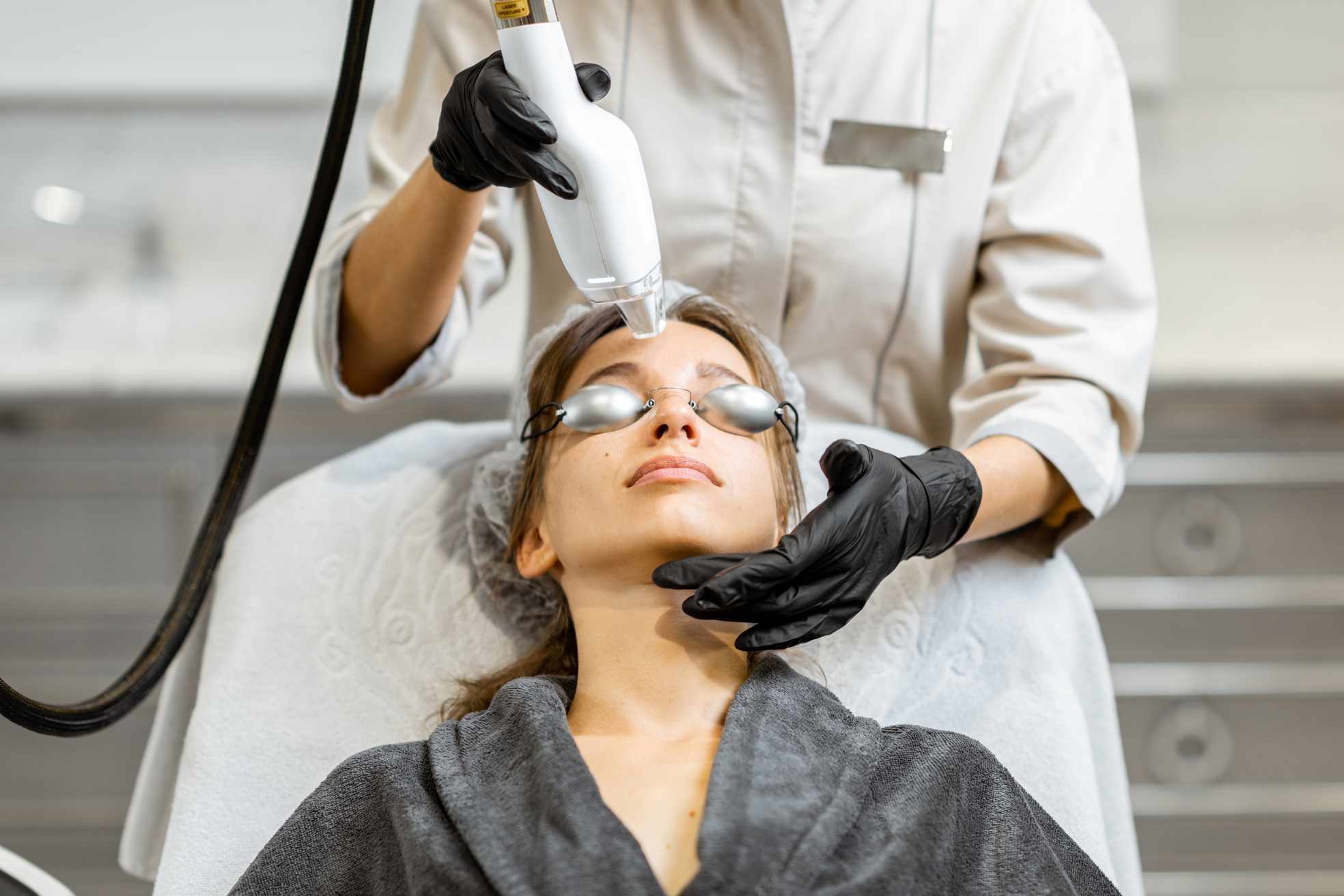
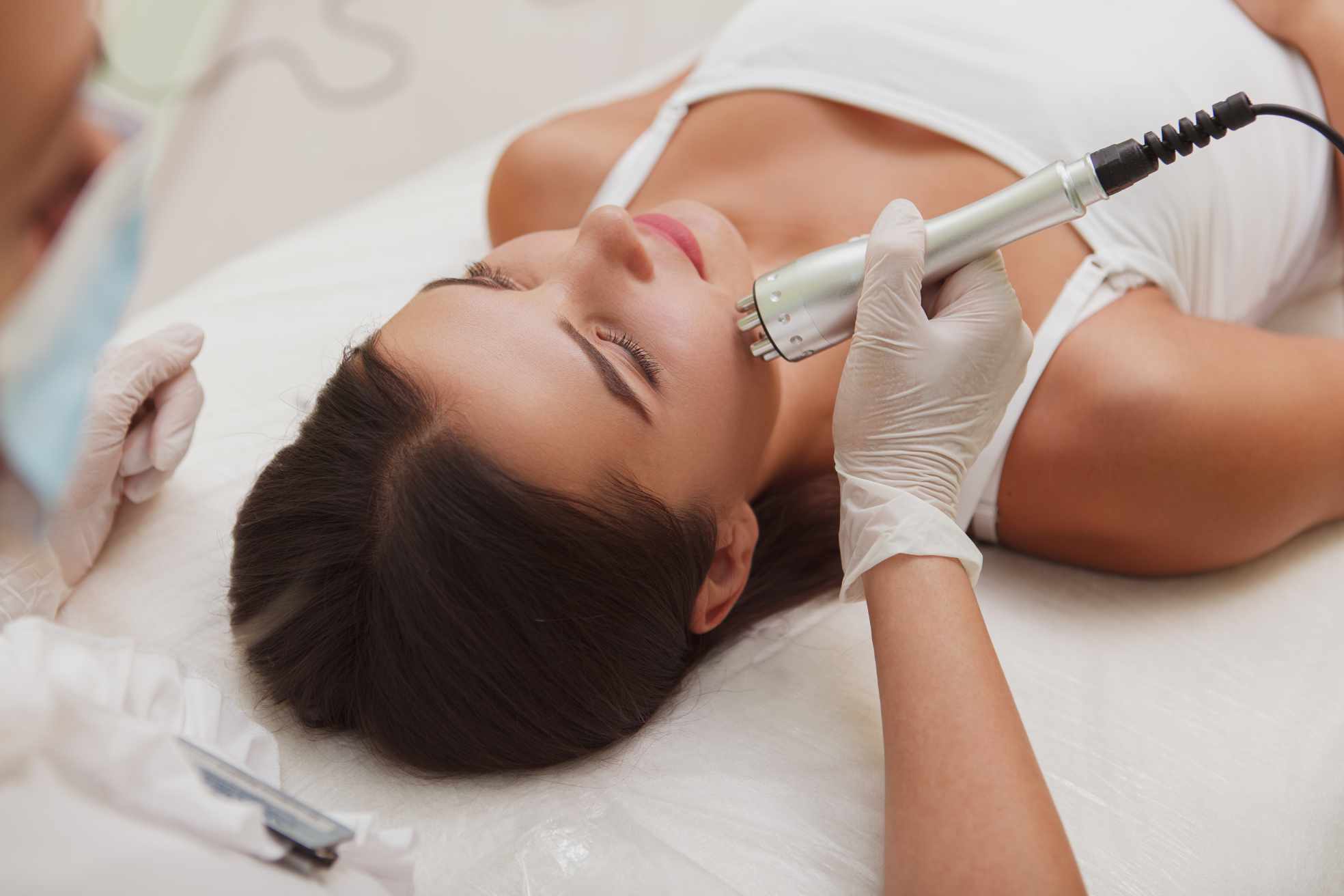
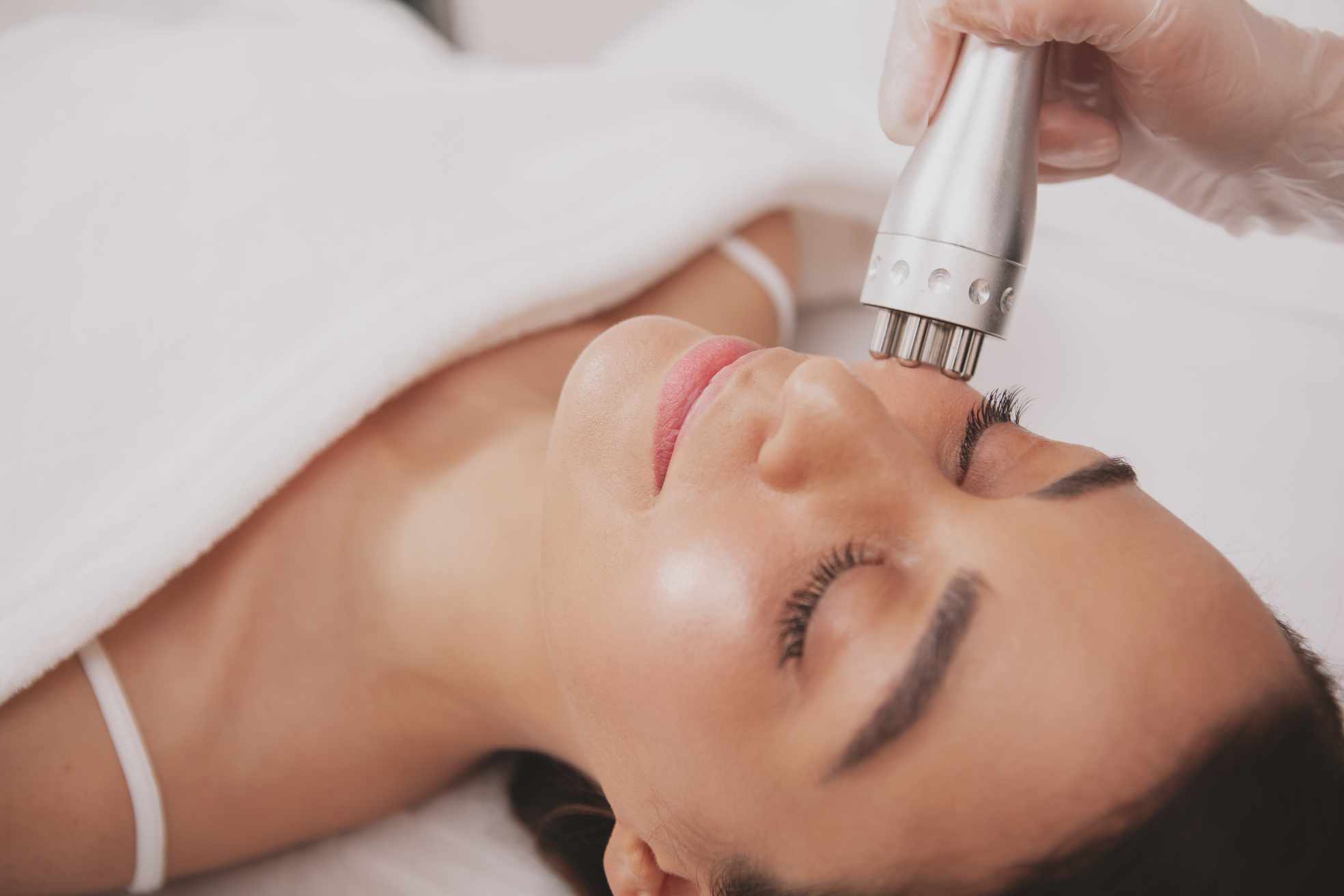
Exosomes are commonly used after treatments that create micro-channels in the skin. Procedures like Dermapen microneedling or RF needling temporarily open pathways that allow active ingredients to penetrate more effectively.
At our clinic, clients often combine exosomes with:
- Skin needling
- RF microneedling
- Fractional skin resurfacing
- Advanced rejuvenation treatments
Once the skin channels are open, the exosome serum is applied topically. The skin absorbs the product while the healing response is active.
It is a bit like fixing cracks in a road before the rain hits. Timing matters.
What a typical treatment appointment looks like
Here is how a professional appointment may unfold:
| Treatment Stage | What Happens |
| Consultation | Skin concerns and medical history reviewed |
| Skin analysis | Practitioner assesses hydration, texture, redness, and pigmentation |
| Preparation | Skin cleansed and numbing cream applied if required |
| Procedure | Microneedling, RF, or laser treatment performed |
| Exosome application | Serum applied directly onto treated skin |
| Recovery guidance | Aftercare instructions explained |
Most clients describe the downtime as manageable. Redness often settles within several days depending on the treatment intensity.
Exosome Therapy Benefits: What It May Help Improve
Skin texture, fine lines, and dull skin
One reason clients explore exosome skin treatment is the possibility of smoother, brighter skin without surgery.
As collagen production slows with age, skin can begin looking tired, crepey, or uneven. Fine lines settle in. Makeup sits differently. Skin loses bounce.
Exosomes may help support:
- Smoother skin texture
- Improved hydration
- Reduction in visible redness
- Firmer-looking skin
- Recovery after intensive treatments
We recently treated a client from Frankston in her late 40s who had spent years outdoors boating and gardening. Her main concern was not deep wrinkles. She simply said, “My skin looks exhausted.”
After a series of RF needling sessions paired with exosome therapy, she noticed her skin looked fresher and calmer. Friends commented that she looked rested without being able to pinpoint why.
That is often the sweet spot in aesthetic medicine. Natural improvements. Not dramatic overcorrection.
Acne marks, redness, and uneven tone
Clients with acne scarring or lingering redness may also consider exosome therapy as part of a broader treatment plan.
This is important: exosomes are not a one-session cure-all. Anyone promising overnight transformation is probably selling snake oil.
Instead, improvements often happen gradually over weeks as the skin renews itself.
Common concerns clients discuss include:
- Acne scarring
- Uneven pigmentation
- Sun damage
- Enlarged pores
- Skin sensitivity
- Persistent redness
Exosome Therapy vs PRP and Skin Boosters
Exosomes vs PRP
Platelet-Rich Plasma, commonly called PRP, uses the client’s own blood to isolate growth factors. Exosome therapy does not require a blood draw.
Some clients prefer exosomes because:
- There are no needles for blood collection
- Treatment time may be shorter
- Product consistency may be more controlled
Others still prefer PRP because it uses their own biological material.
There is no one-size-fits-all answer. Good treatment planning matters more than trends.
Exosomes vs skin boosters
Skin boosters are injectable treatments designed primarily to improve hydration and skin quality from within the skin itself.
Exosome therapy works differently. It is usually applied topically after a procedure rather than injected directly.
A simple comparison looks like this:
| Treatment | Main Goal |
| Skin Boosters | Deep hydration and glow |
| PRP | Growth factor stimulation |
| Exosomes | Recovery and regenerative support |
| Microneedling | Collagen induction |
Who Should Consider Exosome Therapy for Skin?
People who may benefit most
Exosome therapy may suit people who:
- Want support after skin needling or laser
- Notice early ageing changes
- Have dull or dehydrated skin
- Experience uneven texture
- Prefer non-surgical treatments
- Want minimal downtime
Interestingly, younger clients are starting preventative treatments earlier. We often see clients in their late 20s and early 30s looking after skin quality before major ageing changes appear.
That proactive approach tends to age better over time.
Who should speak with a practitioner first?
Some people should have a thorough consultation before treatment, especially if they have:
- Active skin infections
- Severe inflammatory skin conditions
- Pregnancy or breastfeeding considerations
- Immune-related conditions
- Recent cosmetic procedures
- Extremely reactive skin
This is why consultation-first clinics matter. Safe cosmetic treatment is never about rushing people through the door.
Questions to Ask Before Booking Exosome Therapy
A checklist worth bringing to your consultation
Not all exosome products are the same. Product quality, sourcing, and practitioner experience matter enormously.
Before booking, ask:
- What is the source of the exosomes?
- Is the product suitable for cosmetic use in Australia?
- What treatment will it be paired with?
- Who performs the procedure?
- What results are realistic for my skin?
- What downtime should I expect?
Good practitioners welcome questions. If someone brushes off your concerns, that is usually a red flag waving in broad daylight.
What Results Can You Expect and When?
Realistic treatment timelines
Results vary depending on age, skin health, sun exposure, and the procedure combined with exosomes.
Here is a general guide:
| Timeline | Possible Changes |
| 1–3 days | Redness may settle |
| 1–2 weeks | Skin may appear calmer and more hydrated |
| 4–8 weeks | Texture improvements may become noticeable |
| 3 months+ | Ongoing collagen support may appear gradually |
Consistency matters. One treatment rarely changes everything.
Clients who protect their skin with sunscreen, maintain hydration, and follow aftercare usually see better long-term outcomes.
Safety, Regulation, and Why Quality Matters
Why Australians should choose reputable clinics
In Australia, cosmetic treatments must comply with strict advertising and health regulations. That is a good thing.
Clients should look for clinics that:
- Conduct thorough consultations
- Use evidence-based treatment planning
- Explain risks honestly
- Avoid unrealistic promises
- Use qualified practitioners
- Prioritise medical oversight where required
At Cosmetic Aesthetics Victoria, we see many clients who felt pressured elsewhere into treatments they did not fully understand. Some arrive frustrated after spending thousands chasing trends online.
We always tell clients the same thing: good skin treatment is a marathon, not a sprint.
Is Exosome Therapy Worth It?
When it may be worth considering
Exosome therapy may be worthwhile for clients already investing in treatments like:
- RF microneedling
- Dermapen skin needling
- Laser rejuvenation
- Advanced skin resurfacing
It can be a useful addition for people wanting better recovery support and skin quality improvements.
When another treatment may suit you better
Sometimes simpler treatments are more appropriate.
A client with dehydration may benefit more from skin boosters. Someone with deep pigmentation may require laser or targeted skin therapy instead.
The best treatment is rarely the trendiest one. It is the one that matches your skin properly.
Exosome therapy has quickly become one of the most talked-about regenerative skin treatments in aesthetic medicine. While research is still evolving, many practitioners and clients are excited by its potential role in skin recovery, hydration, and rejuvenation.
Still, the biggest difference rarely comes from one serum or device alone. It comes from careful treatment planning, realistic expectations, and working with experienced practitioners who understand skin properly.
At Cosmetic Aesthetics Victoria, we believe clients deserve honest advice, personalised care, and treatments chosen for their skin goals — not simply because something is trending on social media.
Sometimes the old saying is true: slow and steady wins the race.
