HIFU Treatment: The Non-Surgical Face Lift Explained
Ageing skin can creep up on you. One day your jawline looks defined in the mirror, then suddenly the lower face feels softer, the brows sit heavier, and makeup settles differently around the cheeks and neck. We hear this often at our Seaford clinic, especially from clients balancing busy work schedules, family life, and Melbourne’s harsh UV exposure.
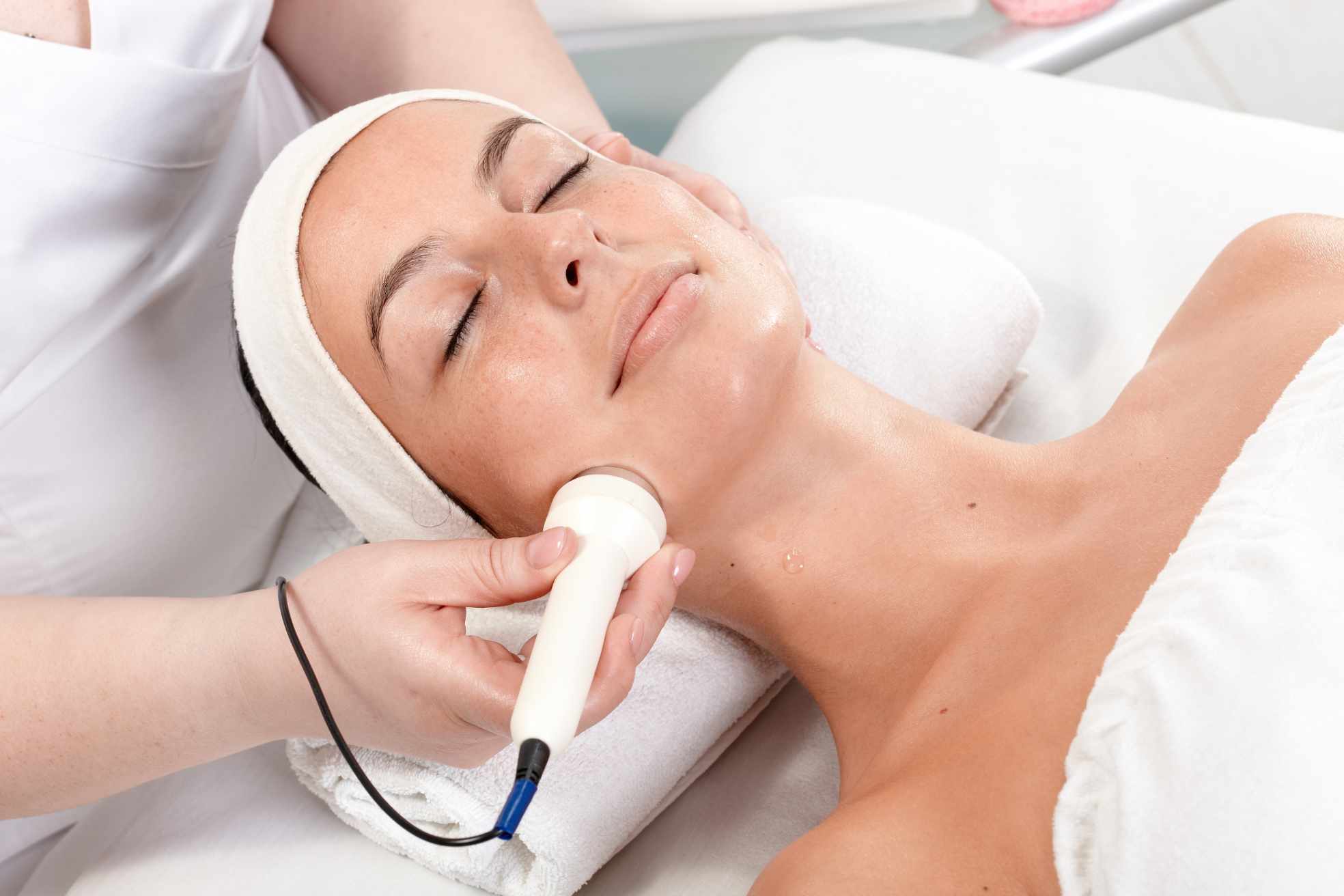
HIFU treatment has become one of the most requested non-surgical skin tightening options for people who want natural-looking lifting without surgery, needles, or weeks hiding at home. Often called the “lunchtime facelift”, HIFU uses focused ultrasound energy to stimulate collagen deep beneath the skin. The result is firmer, tighter, and more lifted skin that develops gradually over time.
At Cosmetic Aesthetics Victoria, we always remind clients that good cosmetic treatments should not make you look like someone else. The goal is simple: refreshed, healthy-looking skin that still looks like you.
Why HIFU Treatment Appeals to People Who Are Not Ready for Surgery
HIFU fills the gap between skincare and a surgical facelift
There comes a point where skincare alone stops pulling its weight. Creams may help hydration and texture, but they cannot tighten deeper tissue once collagen starts declining.
HIFU suits people noticing:
- Mild sagging around the jawline
- Early jowls
- Loose neck skin
- Heavier brows
- Loss of cheek firmness
- Fine lines across the décolletage
For many people across Frankston and the Mornington Peninsula, surgery feels like a bridge too far. Recovery time, cost, anaesthetic risks, and visible scarring are enough to make anyone think twice.
HIFU offers a middle ground.
Real-world example: wanting lift without looking “done”
One client in her mid-40s came to our clinic before her daughter’s wedding season. She did not want fillers or surgery. Her concern was simple: “I just look tired all the time.”
After assessing her skin laxity and facial structure, we recommended HIFU treatment across the lower face and neck. Over the following months, her jawline became more defined, her neck looked firmer, and friends commented that she looked “well rested” without knowing she had treatment.
That is often the sweet spot. Quiet improvement. Nothing overcooked.
How HIFU Skin Tightening Works Beneath the Surface
Ultrasound energy targets deeper skin support layers
HIFU stands for High-Intensity Focused Ultrasound. The technology delivers concentrated ultrasound energy beneath the skin at controlled depths.
Typical treatment depths include:
| Treatment Depth | Target Area | Purpose |
| 1.5mm | Superficial skin layers | Fine lines and texture |
| 3.0mm | Mid dermis | Skin tightening |
| 4.5mm | SMAS support layer | Lifting and contouring |
Unlike lasers that mainly treat the skin surface, HIFU reaches the structural layers underneath.
The SMAS layer is why HIFU feels different
The 4.5mm depth targets the SMAS layer. This is the same support structure adjusted during a surgical facelift.
The difference is that HIFU stimulates this layer without cutting the skin.
The ultrasound energy creates tiny thermal points beneath the surface. This controlled heat triggers the body’s repair response, encouraging new collagen and elastin production.
You could say it gives collagen a bit of a wake-up call.
Collagen renewal takes time
Many clients expect instant lifting. While some tightening can appear early, the real improvement happens gradually.
Most clients notice changes across this timeline:
| Timeline | What Happens |
| First few days | Mild tightening and firmness |
| 4–8 weeks | Early collagen rebuilding |
| 2–6 months | More visible lifting and contouring |
| 12–18 months | Results gradually soften |
Patience pays off with HIFU. Slow and steady wins the race.
What Areas Can HIFU Treatment Improve?
Face and brow areas
HIFU is commonly used to improve:
- Forehead lines
- Brow heaviness
- Sagging cheeks
- Soft jawlines
- Early jowls
- Smile lines
Clients often tell us they notice changes first in photographs. The face appears sharper and more supported.
Neck, chin, and décolletage
The neck is one area that tends to show ageing quickly, especially after years of Australian sun exposure.
HIFU may help improve:
- Loose neck folds
- Double chin appearance
- Crepey chest skin
- Fine lines across the décolletage
Body areas where HIFU may support firmness
In selected cases, HIFU can also support skin tightening on:
- Abdomen
- Thighs
- Hips
- Upper arms
Suitability depends on skin quality, body composition, and treatment goals.
What Happens During a HIFU Appointment?
Consultation comes first
At Cosmetic Aesthetics Victoria, every treatment starts with a private consultation. We assess:
- Skin laxity
- Facial anatomy
- Medical history
- Previous cosmetic treatments
- Lifestyle factors
- Treatment expectations
Not every client is suited to HIFU, and honest advice matters.
Step-by-step treatment process
A standard HIFU session usually follows these steps:
- Cleanse the skin
- Map treatment zones
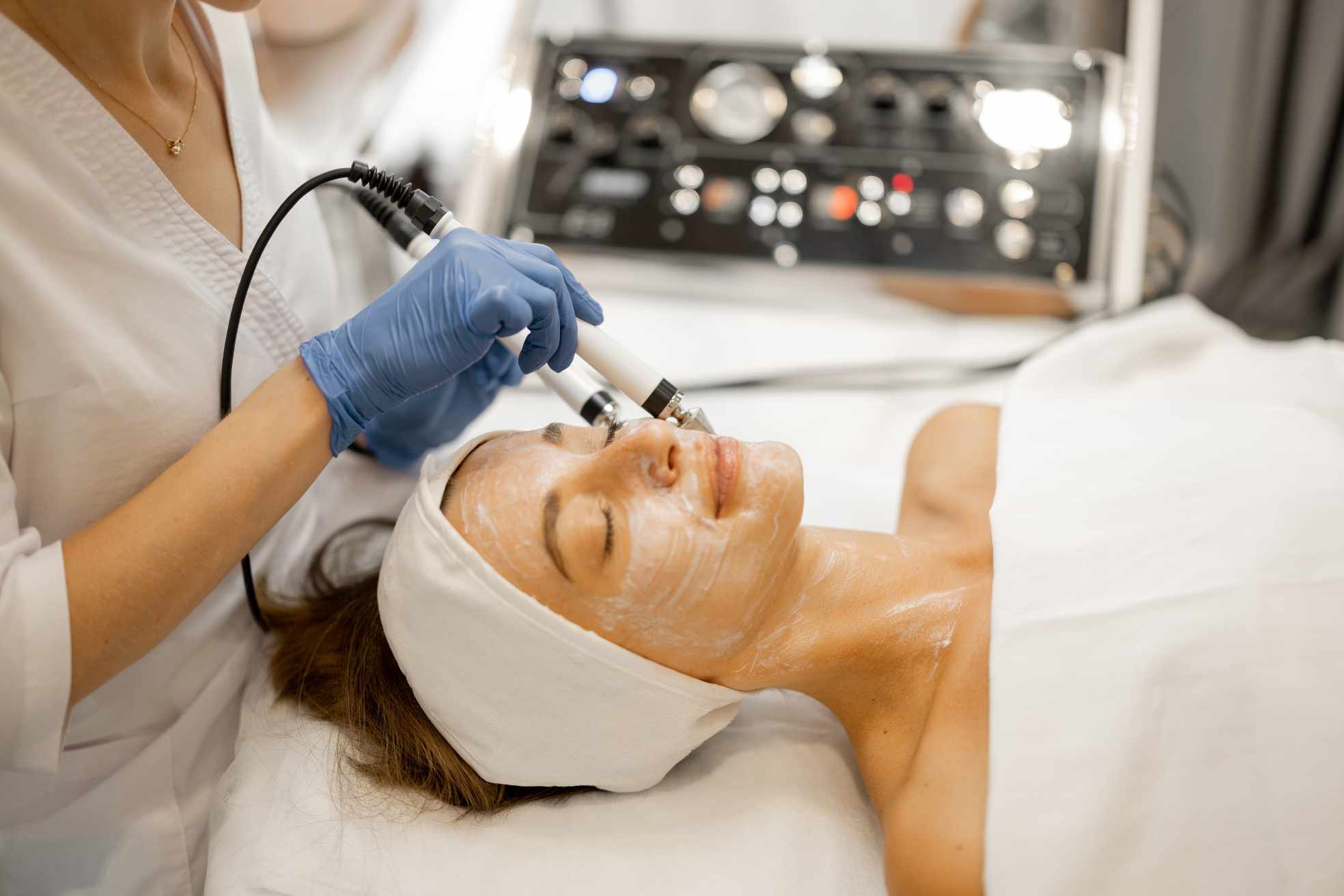
- Apply ultrasound gel
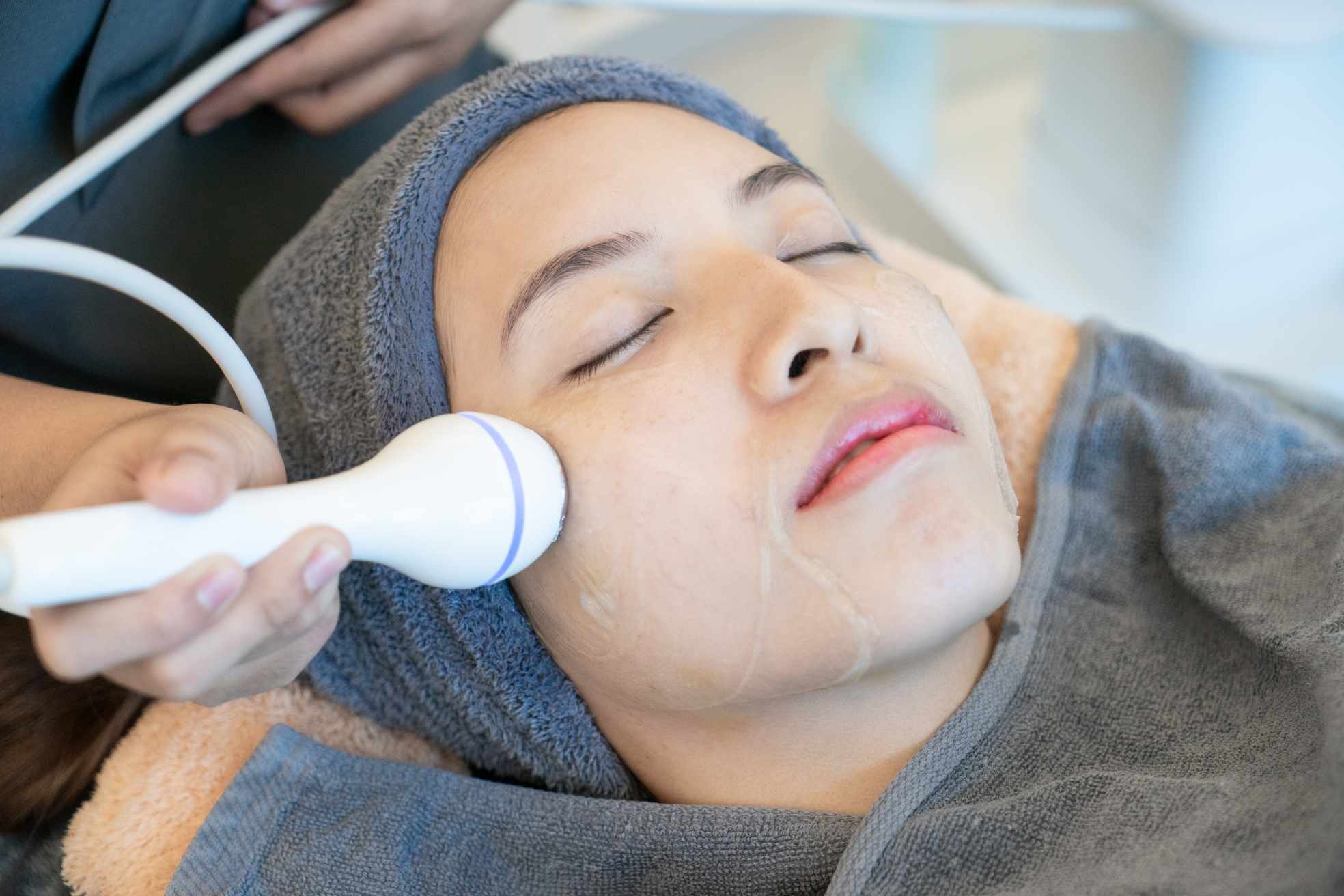
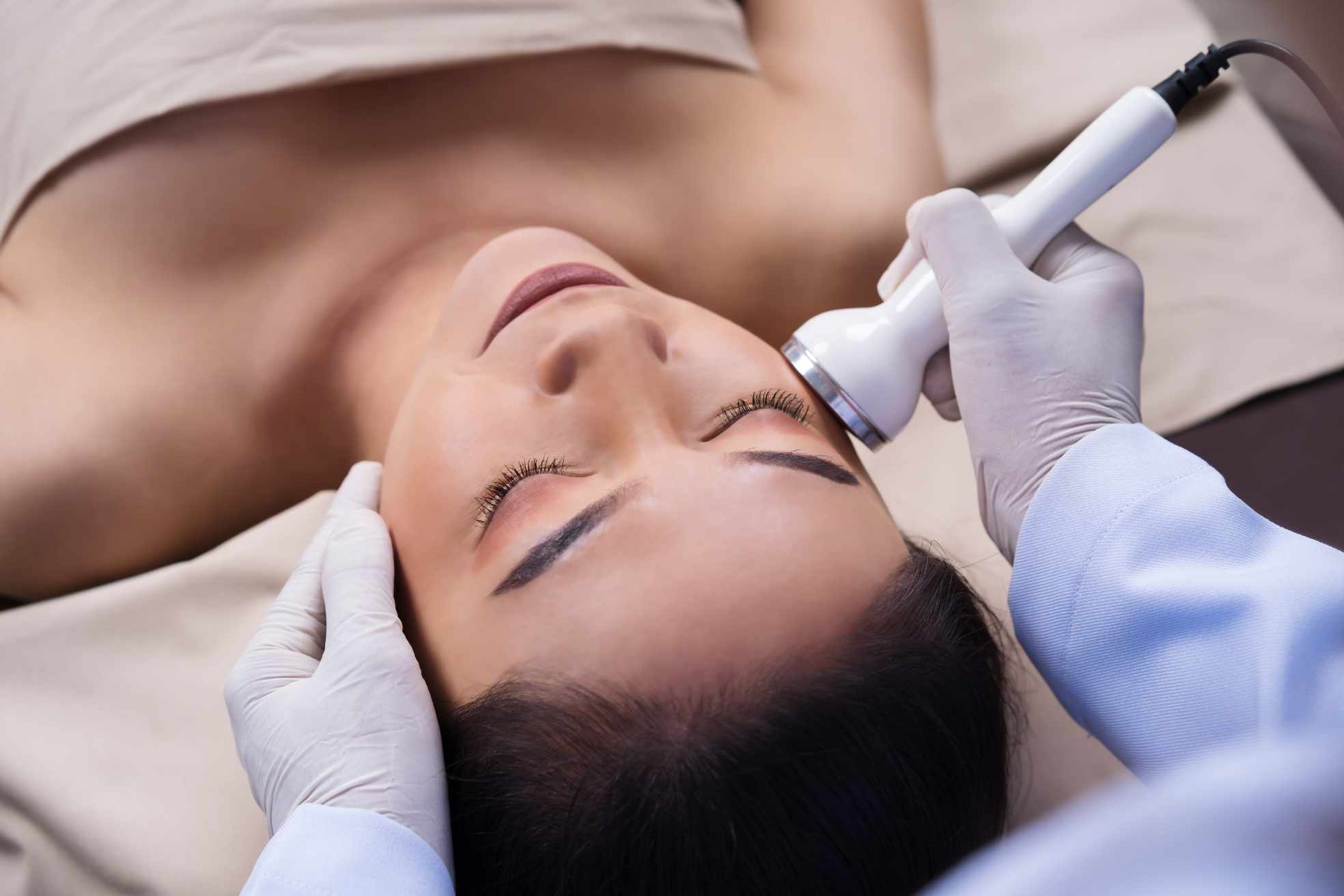
- Deliver focused ultrasound pulses
- Review aftercare instructions
Most face and neck treatments take between 45 and 90 minutes.
What HIFU feels like
Clients describe HIFU in different ways. Some feel warmth and tingling. Others describe quick zapping sensations near bony areas like the jawline.
It is generally well tolerated, though certain areas can feel sharper than others.
As we often tell nervous clients: “It’s uncomfortable for moments, not miserable for hours.”
HIFU Results: What You See Now, Later, and Long Term
Some firmness may appear early
Immediately after treatment, the skin can feel tighter due to early collagen contraction.
This is subtle. The real changes build gradually beneath the surface.
Most visible lifting appears over 2–6 months
As collagen production increases, the skin slowly becomes firmer and more lifted.
Common improvements include:
- Better jawline definition
- Firmer neck skin
- Reduced lower-face heaviness
- Improved skin texture
The gradual nature of HIFU is one reason many people prefer it. Results do not scream cosmetic treatment.
Results may last 12–18 months
Longevity depends on several factors:
- Age
- Genetics
- Sun exposure
- Smoking
- Skincare habits
- Overall skin quality
Annual maintenance treatments can help preserve results.
HIFU vs Surgical Facelift: Which Option Makes More Sense?
HIFU suits mild to moderate skin laxity
HIFU works best for people wanting subtle, natural-looking improvement without surgery.
It is ideal for clients who:
- Cannot afford surgical downtime
- Prefer gradual changes
- Want preventative ageing support
- Are nervous about invasive procedures
Surgery may suit advanced sagging
HIFU cannot replace surgery for severe skin laxity or significant tissue descent.
In some cases, surgical lifting may provide stronger outcomes. A trustworthy practitioner should be upfront about this.
Comparison table
| Feature | HIFU Treatment | Surgical Facelift |
| Downtime | Minimal | 2–4 weeks |
| Anaesthetic | None | Usually required |
| Scarring | None | Surgical scars |
| Best for | Mild to moderate laxity | Advanced sagging |
| Result style | Gradual and natural | Dramatic lifting |
| Maintenance | Ongoing sessions | Longer-lasting |
Who Is a Good Candidate for HIFU Treatment?
Ideal candidates
HIFU generally suits people in their 30s to 50s experiencing:
- Mild skin laxity
- Early ageing changes
- Reduced skin firmness
- Softening jawlines
Good skin quality also improves outcomes.
Who should avoid HIFU
HIFU may not be suitable for people with:
- Pacemakers
- Metal implants in the treatment area
- Active skin infections
- Cystic acne
- Pregnancy or breastfeeding
- Certain autoimmune conditions
A proper consultation helps determine safety and suitability.
Why a private consultation matters
At our Seaford clinic, we take time to understand each client properly before treatment. Some people benefit more from skin needling, skin boosters, or combination treatments rather than HIFU alone.
No two faces age the same way.
HIFU Safety, Side Effects, and Practitioner Skill
Common short-term side effects
Most side effects are mild and temporary.
These may include:
- Redness
- Swelling
- Tenderness
- Tingling
- Mild bruised sensation
Symptoms usually settle within hours or days.
Rare risks need proper technique
Incorrect treatment settings or poor anatomical knowledge can increase risks such as:
- Temporary numbness
- Bruising
- Nerve irritation
- Unwanted fat loss
This is why choosing an experienced practitioner matters.
Why facial anatomy and training matter
Facial anatomy is complex. Certain areas contain sensitive nerves and structures that require careful treatment planning.
At Cosmetic Aesthetics Victoria, ongoing training and clinical standards remain central to how we approach every non-surgical treatment.
HIFU Aftercare: How to Support Better Results
Simple aftercare checklist
After treatment:
- Avoid direct sun exposure
- Skip saunas and very hot showers for several days
- Avoid strenuous exercise for 24 hours
- Pause retinol and exfoliating acids temporarily
- Drink plenty of water
- Wear SPF 30+ daily
Melbourne’s UV levels can be brutal even during cooler months, so sun protection matters year-round.
When to contact the clinic
You should contact your practitioner if you experience:
- Persistent swelling
- Severe discomfort
- Unusual numbness
- Skin blistering
- Symptoms that worsen over time
Early review helps address concerns quickly.
How HIFU Fits Into a Personal Skin Plan
HIFU may pair well with other skin treatments
Many clients combine HIFU with treatments such as:
- Skin needling
- Medical-grade facials
- LED therapy
- Skin boosters
- Clinical skincare
Combination plans often improve both skin quality and firmness.
The best treatment plan depends on your skin
One of the biggest mistakes in cosmetic aesthetics is chasing trends instead of assessing the individual properly.
The right treatment plan depends on:
- Skin thickness
- Degree of laxity
- Ageing patterns
- Lifestyle
- Treatment goals
What works beautifully for one client may not suit another.
HIFU treatment has changed the way many people approach facial ageing. It offers a non-surgical option for lifting, tightening, and firming the skin without incisions or lengthy recovery.
For the right candidate, the results can look natural, refreshed, and quietly confidence-boosting. That is why HIFU continues to grow in popularity across Seaford, Frankston, and the wider Mornington Peninsula.
Sometimes the best cosmetic results are the ones people cannot quite put their finger on. You simply look fresher, healthier, and more like yourself again.
