Thread Lifts: What You Need to Know Before You Book
If you have started noticing softer cheeks, early jowls, or skin that does not sit quite where it used to, you are not alone. We see many clients across Seaford, Frankston, and the Mornington Peninsula who want a fresher look without jumping straight into surgery.
Thread lifts have become popular because they sit in the middle ground. They are less invasive than a facelift but can still create subtle lifting and contouring when performed correctly. Still, this is not a treatment to rush into. Like the old saying goes, “measure twice, cut once.” The best outcomes come from proper planning, realistic expectations, and an experienced practitioner who understands facial anatomy.
What Is a Thread Lift and Why Are People Choosing It?
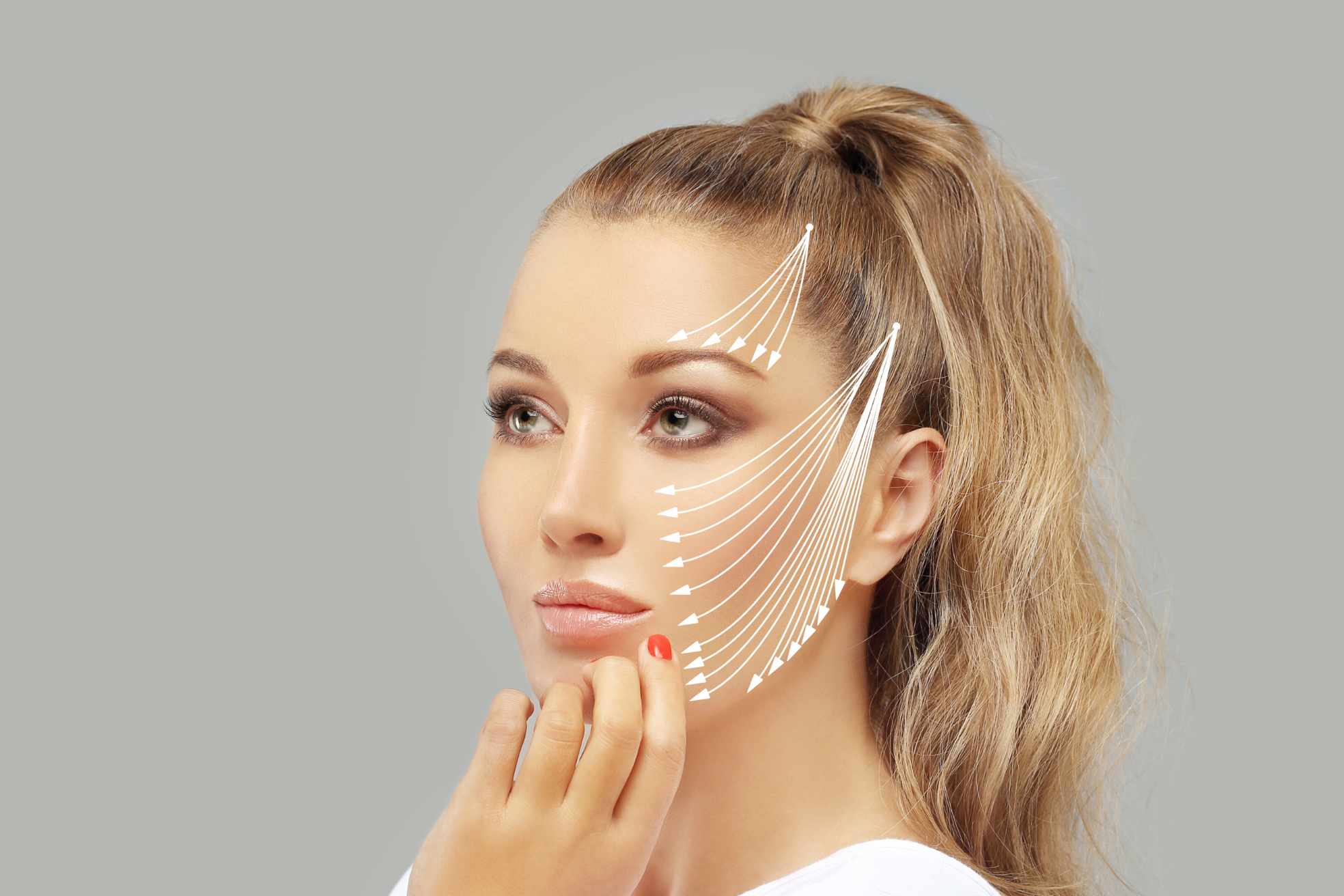
A thread lift is a minimally invasive cosmetic procedure that uses dissolvable threads to gently lift and support sagging skin. The treatment aims to improve facial definition while encouraging collagen production over time.
Many people choose thread lifts because they want natural-looking change rather than dramatic transformation. In our clinic conversations, clients often say the same thing:
“I still want to look like myself. I just want to look less tired.”
That is where thread lifts may help.
The “Lunchtime Lift” Label Can Be Misleading
You may hear thread lifts described as a “lunchtime facelift.” While the procedure itself can take under an hour, it still requires proper assessment and careful aftercare.
Quick does not mean casual.
Australian cosmetic regulations have become stricter in recent years, and for good reason. Treatments that involve needles, threads, and facial anatomy should never be treated like a quick beauty service.
What Thread Lifts Can and Cannot Change
Thread lifts can improve:
- Mild jowls
- Early cheek drooping
- Soft jawline definition
- Mild neck laxity
- Slight brow descent
They cannot:
- Remove large amounts of excess skin
- Replace surgical facelift results
- Stop the natural ageing process
- Correct severe skin laxity
Clients with heavy sagging or very thin skin may achieve better results from other options.
How Thread Lifts Work Beneath the Skin
Thread lifts work in two ways: mechanical lifting and collagen stimulation.
Step 1: Threads Create a Gentle Lift
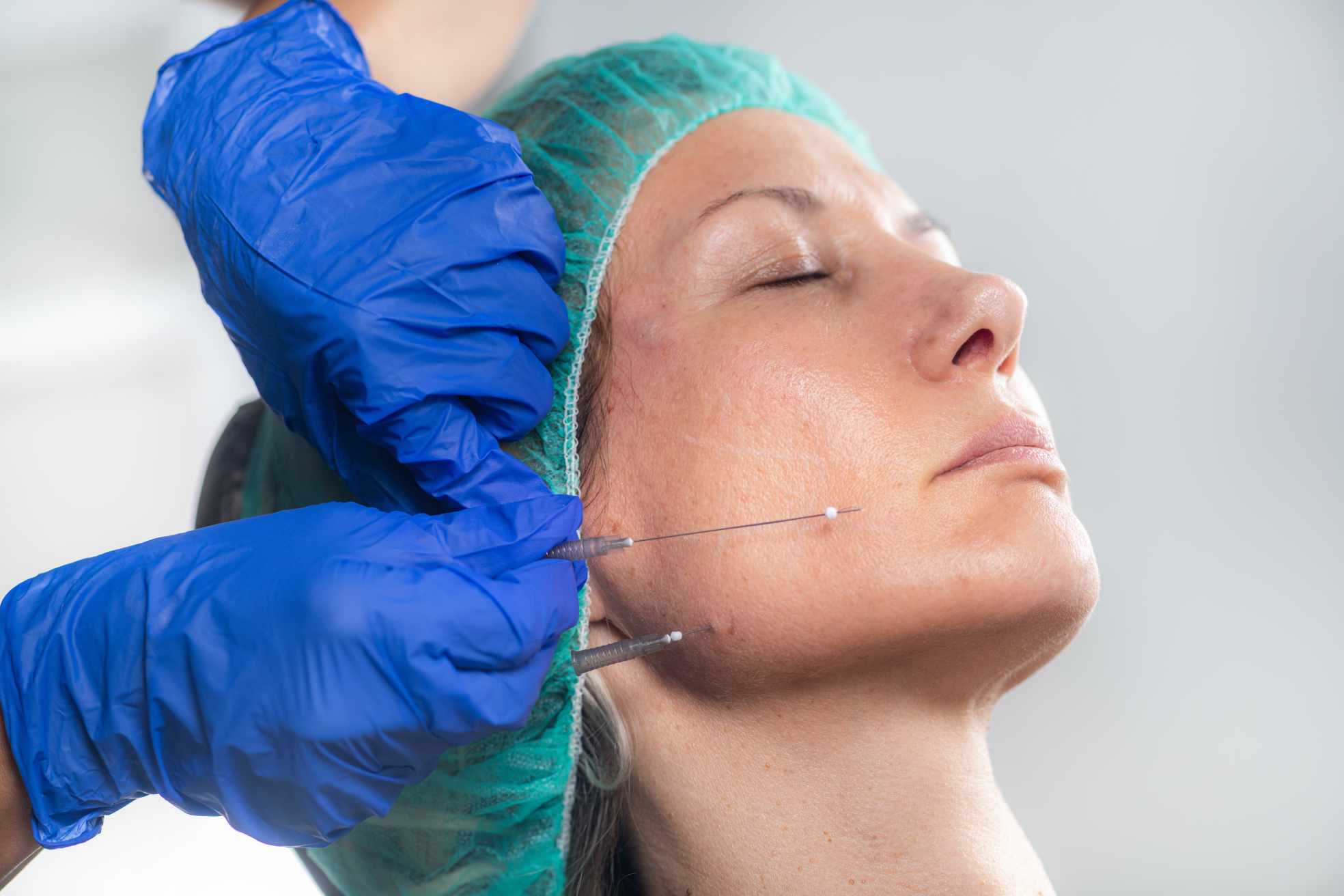
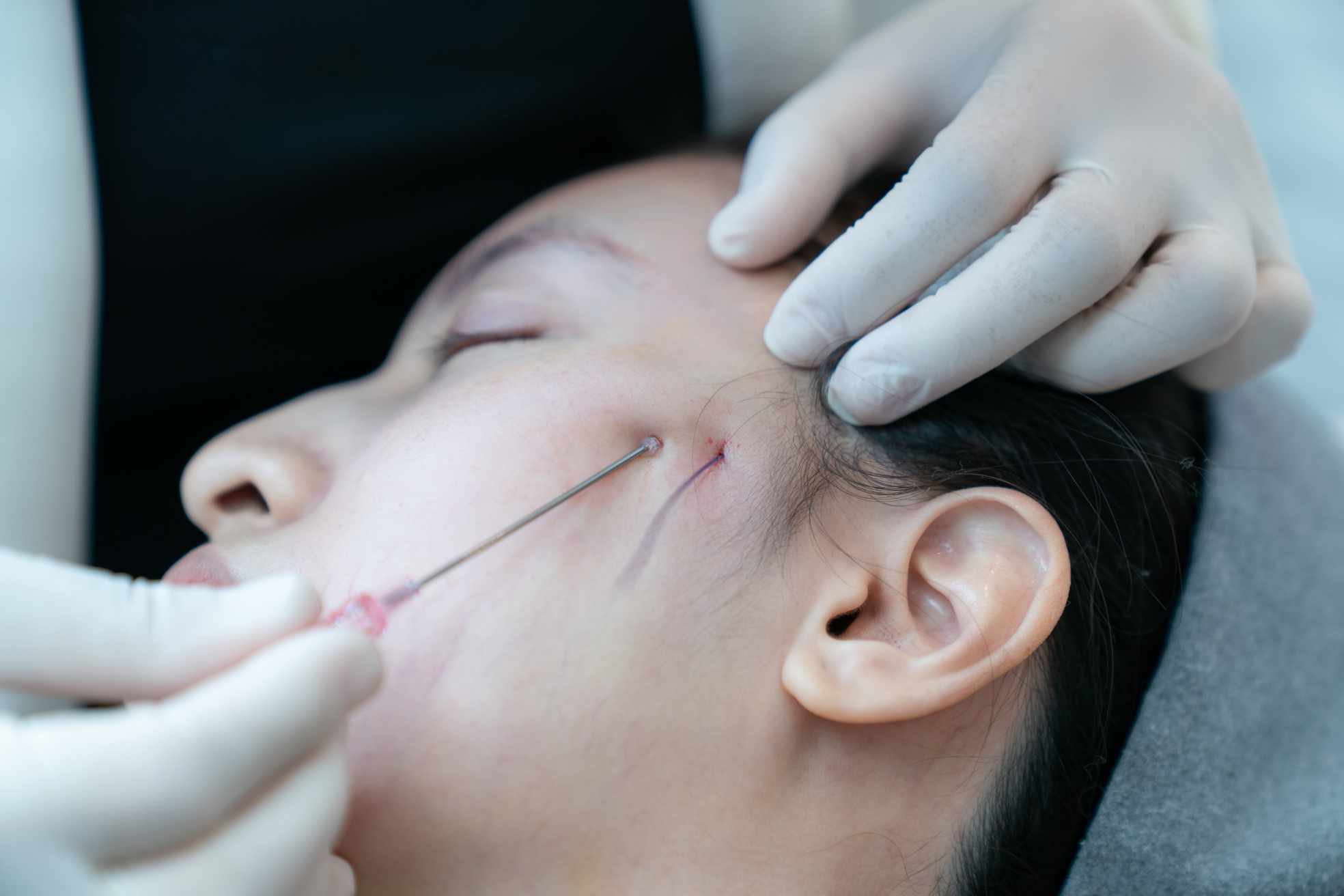
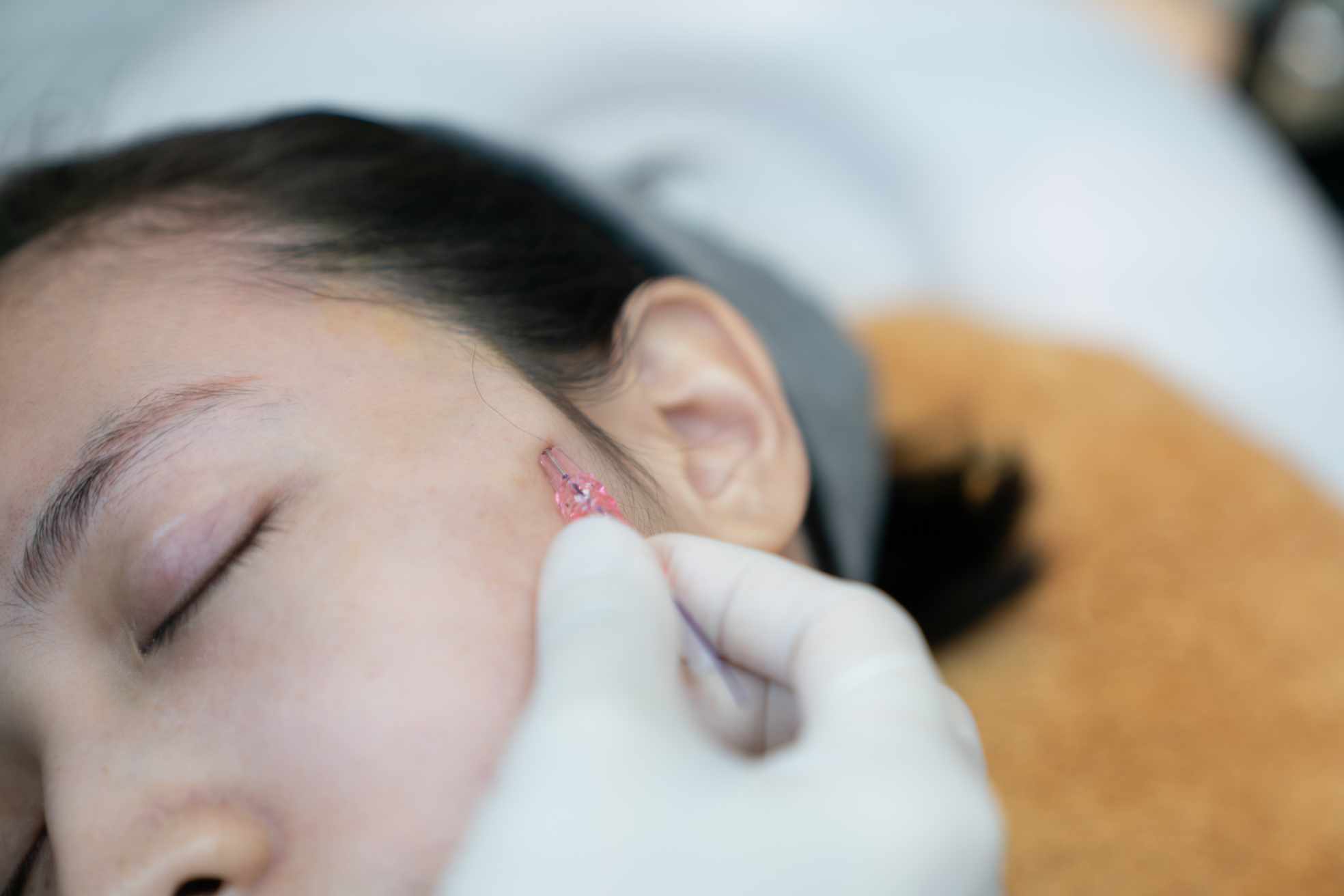
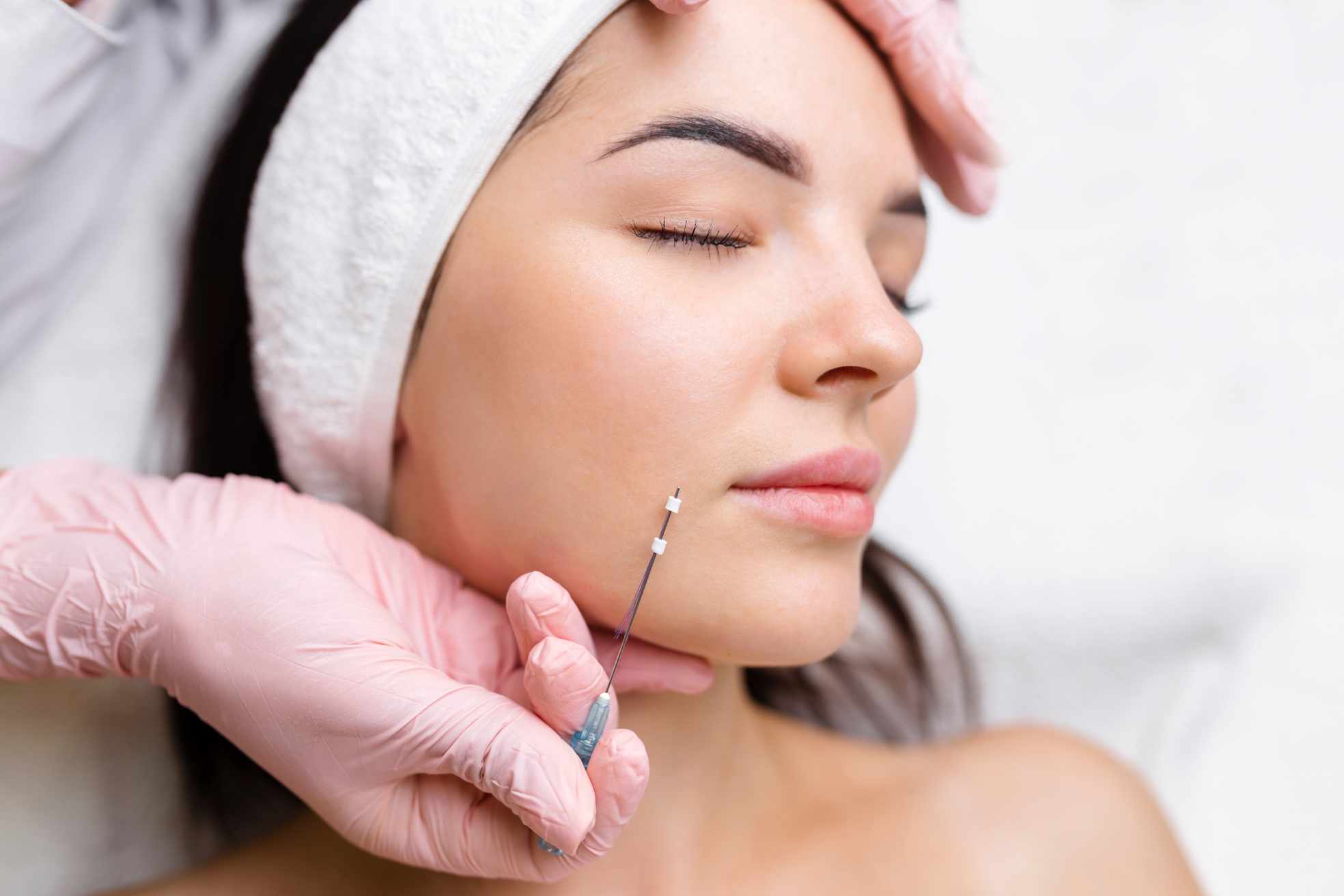
During treatment, dissolvable threads are inserted beneath the skin using a fine needle or cannula. These threads may contain small barbs or cones that grip the tissue.
Once positioned, the practitioner gently adjusts the threads to create support and lift.
The procedure usually takes between 30 and 60 minutes depending on the treatment area.
Step 2: Your Skin Builds New Collagen
The second stage happens gradually over the following months. As the threads settle, the body responds by producing collagen around them.
Collagen is important because it helps maintain skin firmness and structure. The threads dissolve over time, but some collagen support remains.
Results vary from person to person. Age, skin quality, sun exposure, smoking, and lifestyle all play a role.
Who Makes a Good Candidate for Thread Lifts?
The ideal thread lift patient is usually someone in their late 30s to early 50s with early to moderate skin laxity.
Signs You May Suit a Thread Lift
You may be suitable if you have:
- Mild jowls
- Slight cheek sagging
- Early neck looseness
- Good skin thickness
- Realistic expectations
- A preference for subtle improvement
One client from Frankston explained it perfectly during consultation:
“I don’t want to look pulled tight. I just want my jawline back.”
That type of goal often aligns well with thread lifts.
Signs Another Treatment May Suit You Better
Thread lifts may not be ideal if you have:
- Significant skin laxity
- Heavy facial tissue
- Very thin skin
- Major volume loss
- Unrealistic expectations
In some cases, skin tightening treatments, injectables, or surgery may be more appropriate. A good practitioner should tell you honestly if a treatment is unlikely to deliver the result you want.
Thread Lifts vs Skin Tightening vs Surgical Facelift
| Treatment | Best For | Downtime | Result Style |
| Skin Tightening | Mild firmness concerns | Low | Gradual |
| Thread Lift | Mild to moderate sagging | Moderate | Subtle lift |
| Surgical Facelift | Significant sagging | Higher | More dramatic |
Many people across Melbourne’s bayside suburbs start with conservative treatments first. They often prefer gradual improvement rather than sudden change.
The Real Benefits of Thread Lifts
Thread lifts offer several advantages when performed on the right candidate.
- Shorter procedure time than surgery
- No general anaesthetic
- Minimal incisions
- Faster recovery
- Collagen stimulation over time
- Can treat several areas of the face and neck
Why Subtle Results Often Look Better
Natural results usually age better.
At Cosmetic Aesthetics Victoria, many clients specifically ask for treatments that help them look refreshed without obvious signs of cosmetic work. A subtle lift often blends better with your natural facial movement and proportions.
Nobody wants friends asking, “What happened to your face?”
Instead, most people prefer:
- “You look well.”
- “You look rested.”
- “Have you been on holiday?”
That is generally the sweet spot.
Risks, Side Effects, and Limits You Should Know First
All cosmetic procedures carry risks, even minimally invasive ones.
Temporary side effects may include:
- Bruising
- Swelling
- Tenderness
- Tightness
- Mild puckering
Rare but more serious risks include:
- Infection
- Facial asymmetry
- Thread migration
- Visible dimpling
- Thread extrusion
Why Practitioner Skill Matters So Much
Thread lifts rely heavily on anatomy knowledge and precise placement. Poor technique can lead to unnatural results or complications.
In Australia, cosmetic procedure guidelines now place stronger focus on informed consent, patient safety, and practitioner training.
Before booking, ask:
- Who performs the treatment?
- What medical qualifications do they hold?
- How often do they perform thread lifts?
- What happens if complications occur?
If a clinic avoids these questions, that can be a red flag.
How to Prepare Before a Thread Lift Appointment
Preparation helps reduce bruising and supports healing.
Pre-Treatment Checklist
For most patients, practitioners recommend:
- Avoid alcohol 24–48 hours beforehand
- Reduce smoking if possible
- Avoid unnecessary blood-thinning supplements if medically safe
- Delay dental work around treatment dates
- Stay hydrated
- Eat before your appointment
- Arrange lighter duties for the first few days
Some clinics also recommend Arnica to help minimise bruising.
What Recovery Usually Looks Like After Thread Lifts
Recovery is usually manageable, but the first two weeks matter.
The First 48 Hours
You may experience:
- Swelling
- Tightness
- Mild bruising
- Tenderness
Most people return to desk work within a couple of days.
During this period:
- Sleep on your back
- Keep your head elevated
- Avoid rubbing your face
- Limit excessive facial movements
- Avoid makeup if advised
The First Two Weeks
For approximately 1–2 weeks:
- Avoid gym workouts
- Avoid saunas and excessive heat
- Avoid chewing gum
- Avoid facial massage
- Avoid sleeping on your side
One local client joked that learning to sleep on her back was “harder than the treatment itself.” It sounds funny, but aftercare genuinely affects healing.
Questions to Ask Before You Book a Thread Lift
A proper consultation should never feel rushed.
Important Questions to Ask
- Am I genuinely a good candidate?
- What result is realistic for my face?
- What risks apply to me?
- Who performs the treatment?
- What happens if something goes wrong?
- How long will recovery take?
- Would another treatment suit me better?
Good practitioners welcome these questions.
What a Good Consultation Should Feel Like
A quality consultation feels educational, not pushy.
At Cosmetic Aesthetics Victoria, consultations focus on understanding the client’s concerns first before discussing treatment options. Sometimes the best outcome comes from delaying treatment or choosing a completely different approach.
We often remind clients that cosmetic treatments are not one-size-fits-all.
For example, a woman from the Mornington Peninsula recently attended a consultation wanting thread lifts before her daughter’s wedding. After assessment, it became clear that skin tightening combined with conservative volume support would likely suit her better.
She appreciated the honesty.
And honestly, that matters.
Thread lifts can offer subtle lifting and rejuvenation for the right person. They may improve early sagging and help restore facial definition without surgery.
Still, the best results rarely come from chasing trends or booking the cheapest deal online. They come from proper assessment, realistic expectations, skilled technique, and careful aftercare.
A good practitioner will explain both the benefits and the limits clearly. That conversation is often just as important as the treatment itself.
