
Melasma Treatment in Australia: What Actually Works
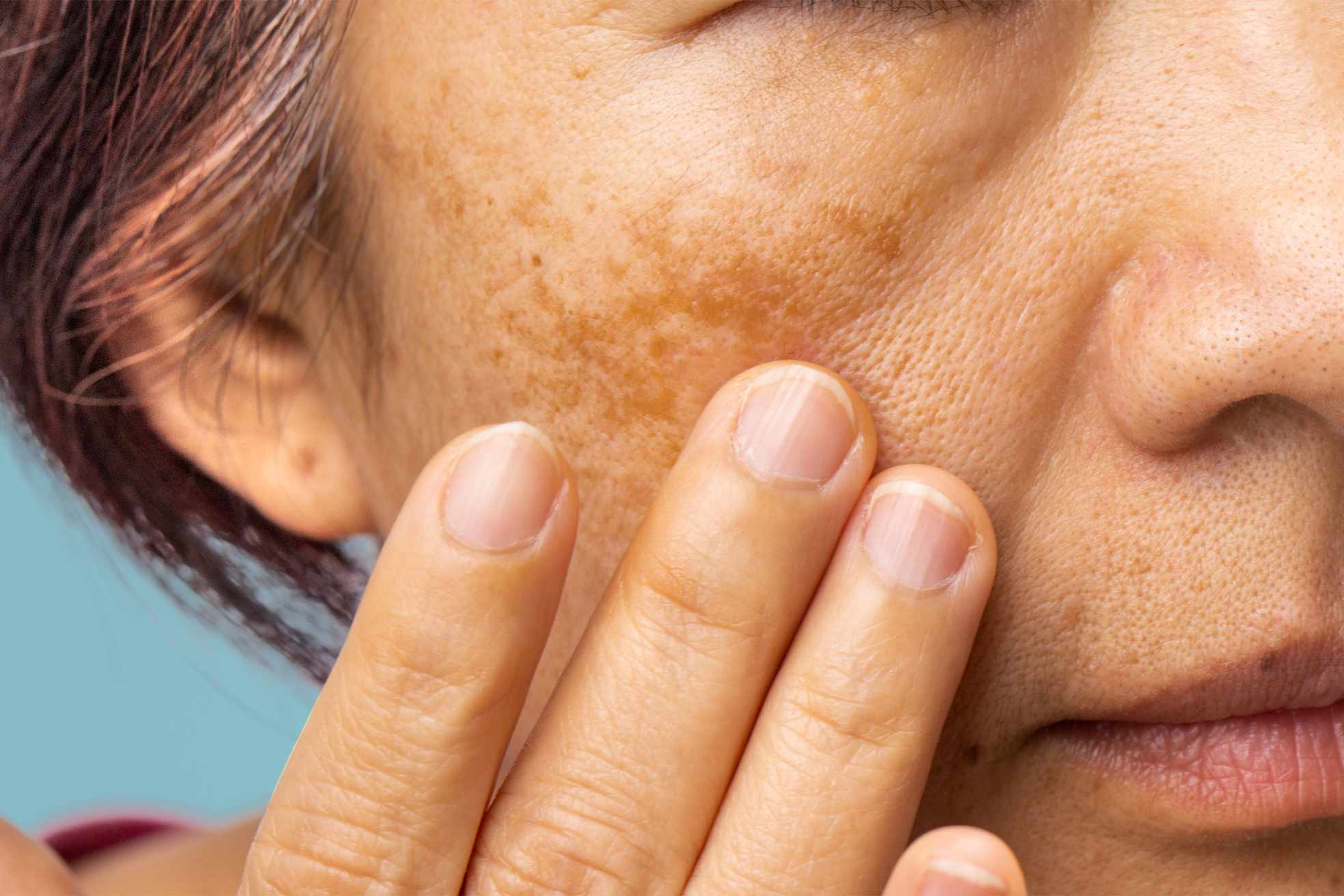
Melasma can feel like a moving target. One month your skin looks brighter, the next you catch your reflection after a beach weekend in Mornington Peninsula and the pigmentation has crept back in again. We see this often in clinic, especially after summer holidays, pregnancy, or long periods of heat exposure.
In Australia, melasma is incredibly common because our UV levels are harsh almost year-round. Add hormones, genetics, and heat into the mix, and those stubborn brown patches can become difficult to manage without the right plan.
The good news? Melasma can improve significantly with the right combination of skincare, medical treatments, and ongoing maintenance. The key is choosing treatments that calm pigment rather than aggravate it.
Why Melasma Is So Common in Australia
Australia’s climate does melasma sufferers no favours. Even on cloudy days, ultraviolet radiation remains high enough to trigger pigment cells. In coastal areas across Victoria, many patients spend time outdoors without realising how quickly cumulative sun exposure builds up.
Melasma usually appears as symmetrical patches across the:
- Cheeks
- Forehead
- Upper lip
- Chin
- Nose
Women are affected more often than men, particularly during pregnancy or while using hormonal contraception.
The Signs That Point to Melasma, Not General Pigmentation
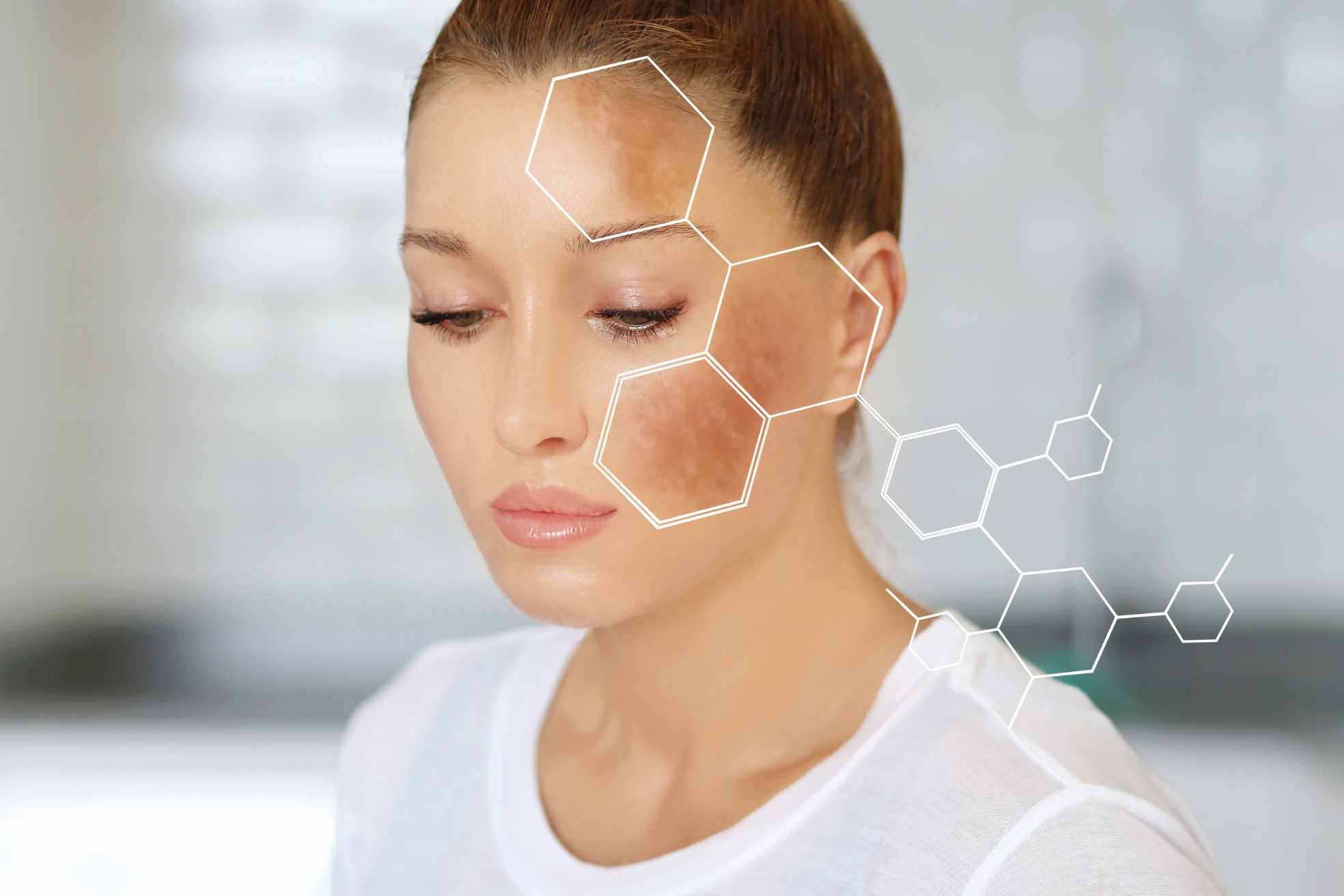
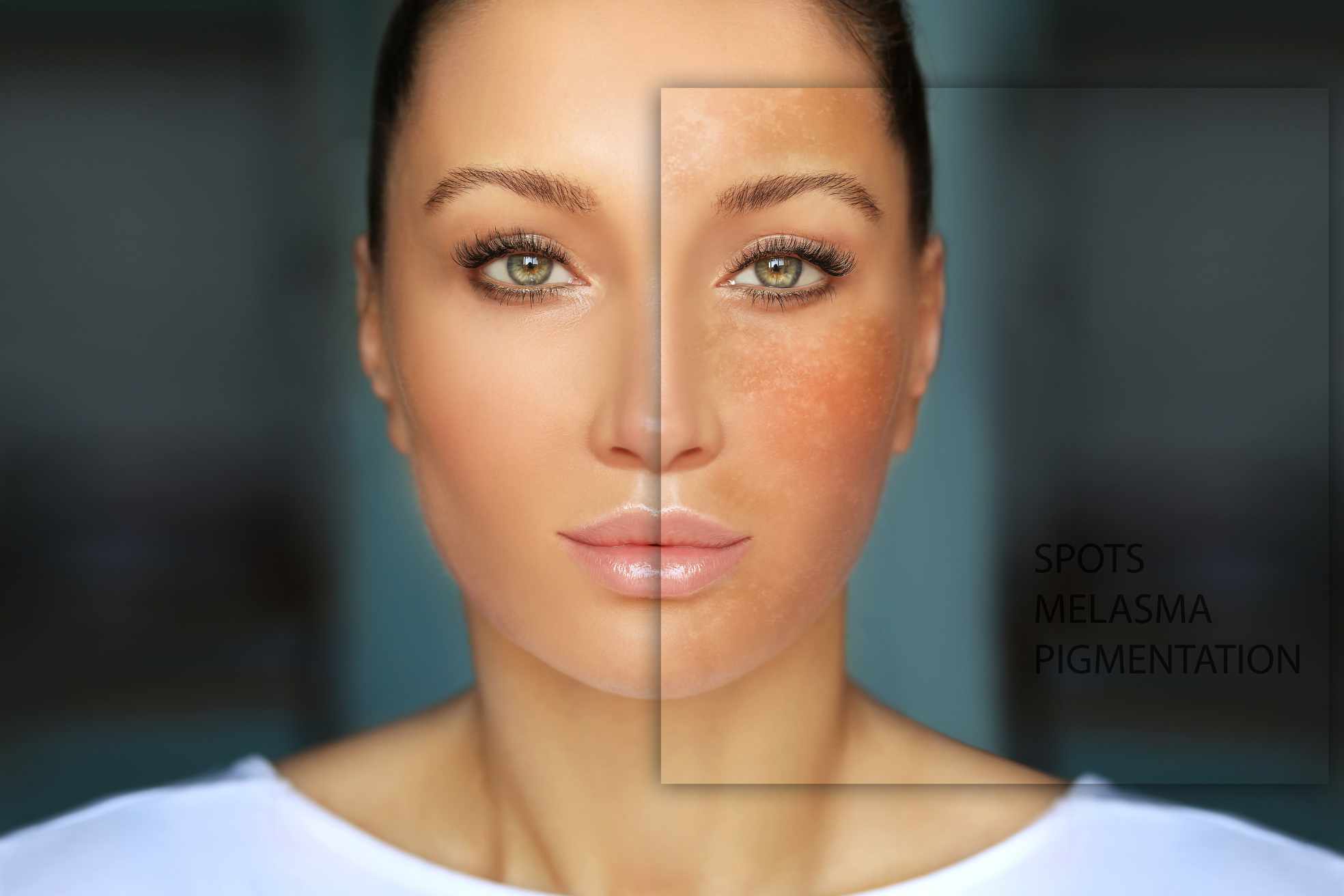
Unlike post-acne marks or isolated sunspots, melasma often forms larger patches with soft edges. The pigment usually appears evenly on both sides of the face.
A patient recently described hers as “looking like someone lightly dusted bronzer over my cheeks and forgot to blend it out properly”. That description is surprisingly accurate.
Why Melasma Often Comes Back
Melasma is not a once-and-done treatment. Think of it more like managing rosacea or eczema. It needs consistency.
“Melasma is a marathon, not a sprint.”
Many people see improvement, stop using sunscreen or active skincare, then notice the pigment return after a summer holiday or heatwave. That is par for the course with melasma management.
The First Step That Makes or Breaks Every Melasma Treatment
Here is the honest truth: if sunscreen is inconsistent, most melasma treatments will struggle.
We have seen patients spend thousands on lasers while skipping daily SPF. It is like trying to mop the floor while the tap is still running.
Why Tinted Sunscreen Works Better Than Standard Sunscreen
Tinted SPF 50+ sunscreen matters because it protects against both UV rays and visible light. The iron oxides inside tinted sunscreen help block visible light, which is now recognised as a major melasma trigger.
In Australia, broad-spectrum SPF 50+ is essential because our UV index regularly reaches extreme levels during warmer months.
A Simple Daily Sun Protection Routine
- Apply two finger-lengths of tinted SPF 50+ every morning.
- Reapply during the day, especially outdoors.
- Wear sunglasses and a broad-brimmed hat.
- Avoid direct heat where possible.
- Use sunscreen indoors if seated near windows.
A surprising number of people forget that UVA rays still pass through glass. We often explain this to clients who work from home beside large windows.
Prescription Melasma Creams That Dermatologists Use First
For many Australians, prescription creams remain the first-line treatment.
The aim is simple: slow down melanin production while gently encouraging pigment to lift from the skin.
Triple Combination Cream: Why It Is Called the Gold Standard
Triple combination cream combines:
- Hydroquinone
- Tretinoin
- Mild corticosteroid
Hydroquinone helps reduce pigment production. Tretinoin increases skin turnover. The corticosteroid calms inflammation and irritation.
Used correctly, this combination can dramatically improve melasma over several months.
What Australians Should Know About Hydroquinone
In Australia, stronger hydroquinone products require a prescription. Many formulations are prepared through compounding pharmacies after consultation with a GP or dermatologist.
Hydroquinone is effective, but it is not a product to self-prescribe from random online sellers. Overuse can irritate the skin and worsen pigmentation.
Safer Support Ingredients for Long-Term Maintenance
Several ingredients work well alongside prescription treatment:
- Azelaic acid
- Vitamin C
- Niacinamide
- Kojic acid
- Gentle retinoids
Azelaic acid is particularly useful during pregnancy because it is considered safer than hydroquinone.
Oral Tranexamic Acid for Stubborn Melasma
Over the past decade, oral tranexamic acid has changed the conversation around stubborn melasma.
Originally used for heavy menstrual bleeding, dermatologists found low-dose tranexamic acid could significantly reduce pigment in some patients.
How Tranexamic Acid Helps Reduce Pigment
Tranexamic acid works by interrupting pathways involved in pigment production and vascular activity beneath the skin.
For patients with deep or resistant melasma, combining oral medication with topical skincare often produces stronger results than creams alone.
Who May Not Be Suitable for Tranexamic Acid
This medication is not appropriate for everyone.
Doctors usually screen for:
| Medical Consideration | Why It Matters |
| History of blood clots | Increased clotting risk |
| Pregnancy | Requires medical review |
| Breastfeeding | Safety assessment needed |
| Certain medications | Possible interactions |
This is why proper medical supervision matters.
Laser Treatment for Melasma: Helpful or Risky?
Laser can help melasma, but the wrong device can also make it significantly worse.
This is where many people get caught out.
Lasers That Can Trigger Melasma Flares
Aggressive heat-based treatments such as:
- IPL
- Some fractional lasers
- High-heat resurfacing lasers
can trigger inflammation and rebound pigmentation.
We occasionally meet patients who developed darker patches after chasing a “quick fix” package advertised online.

Why Pico Laser May Be a Safer Option for Some Patients
Pico lasers use ultra-short energy bursts that create less heat in the skin. This makes them a gentler option for suitable melasma patients.
That said, not every patient is automatically a laser candidate. Skin type, pigment depth, and barrier health all matter.
Why Skin Analysis Matters Before Laser
At consultation, proper skin analysis helps determine whether the pigment sits superficially or deeper within the dermis.
A cautious approach usually produces better long-term outcomes than jumping straight into aggressive treatment.
Chemical Peels for Melasma: When They Help and When They Irritate
Chemical peels can improve surface pigmentation, but stronger is not always better.
Gentle Peels That Can Support Pigment Fading
Superficial peels containing:
- Lactic acid
- Glycolic acid
- Mandelic acid
can brighten the skin gradually with lower risk.
These are often introduced slowly alongside topical skincare.
Stronger Melasma Peels Need Careful Aftercare
Cosmelan and Dermamelan peels remain popular because they can produce dramatic improvement quickly. However, the downtime can be intense.
Patients often experience:
- Redness
- Tightness
- Peeling for up to two weeks
- Sensitivity to heat and sun
For some people, the trade-off is worth it. Others prefer gentler long-term management with less downtime.
Microneedling for Melasma: Why Many Practitioners Stay Cautious
Microneedling divides opinion within the skin industry.
Some practitioners use very light microneedling to help topical ingredients penetrate the skin. Others avoid it altogether for melasma patients.
When Microneedling May Be Considered
In carefully selected cases, light needling combined with tranexamic acid serums may support treatment.
The key word here is carefully.
When Microneedling May Make Melasma Harder to Treat
Aggressive needling can create inflammation that pushes pigment deeper into the skin.
Once pigment moves into deeper dermal layers, treatment becomes far more challenging.
Sometimes less really is more.
A Realistic Melasma Treatment Plan for Australian Skin
The best melasma results usually come from steady, layered treatment rather than dramatic one-off procedures.
Example 12-Week Treatment Timeline
| Timeframe | Focus | Typical Actions |
| Weeks 1–2 | Protect the skin | Tinted SPF 50+, barrier repair |
| Weeks 3–6 | Start active treatment | Prescription creams or azelaic acid |
| Weeks 6–10 | Assess progress | Adjust skincare, consider oral medication |
| Weeks 10–12 | Maintenance planning | Long-term SPF and pigment prevention |
Case Example: Melasma After Pregnancy in Melbourne
A hypothetical but realistic example we commonly see involves a woman in her mid-30s who developed upper lip and cheek pigmentation during pregnancy.
Initially, she tried harsh scrubs and over-the-counter brightening products with little success. After introducing tinted SPF 50+, azelaic acid, and a prescription compounded cream, her skin improved steadily over four months.
Her biggest trigger? Weekend netball games without reapplying sunscreen.
That small detail made a massive difference.
What to Avoid If You Have Melasma
Some treatments and habits quietly make melasma worse.
Treatments That Can Backfire
Avoid:
- Harsh scrubs
- Excessive exfoliation
- Untinted sunscreen only
- Heat-heavy laser
- Aggressive IPL
- Picking or over-treating the skin
Why Fast Fixes Often Cause Setbacks
Melasma responds poorly to irritation. When the skin barrier becomes inflamed, pigment cells often react defensively.
That is why overly aggressive treatment plans can backfire badly.
When to See a Skin Clinic for Melasma Treatment
If pigmentation keeps returning despite skincare, professional guidance can save time, money, and frustration.
What a Good Melasma Consultation Should Include
A thorough consultation should assess:
- Hormonal triggers
- Sun exposure habits
- Current skincare
- Skin type
- Pigment depth
- Previous treatments
Why Personalised Planning Matters
No two melasma cases behave exactly the same way. Someone with mild epidermal melasma may respond beautifully to topical treatment alone, while another patient may need oral medication and ongoing maintenance.
At Cosmetic Aesthetics Victoria, many clients from Seaford and the Mornington Peninsula seek treatment after years of trial and error. The most successful outcomes usually come from patience, consistency, and realistic expectations.
Melasma treatment works best when approached calmly and consistently. Daily tinted SPF 50+, targeted prescription skincare, and carefully selected clinical treatments can significantly reduce pigmentation without pushing the skin into further inflammation.
In Australia’s harsh climate, prevention matters just as much as correction. With the right long-term strategy, clearer and more even skin is absolutely achievable.
