Rosacea Explained: Causes, Triggers and Clinical Treatments
Rosacea often starts quietly. A little flushing after a glass of red wine. Redness after a walk along the beach on a windy Victorian afternoon. A few bumps were mistaken for adult acne. Then one day, the redness stays.
At Cosmetic Aesthetics Victoria, we regularly meet clients who have spent years trying harsh acne products, scrubs, or home remedies before learning they actually have rosacea. The good news is that rosacea can be managed successfully with the right skincare, trigger awareness, and professional treatments.
Why Rosacea Is More Than “Just Red Skin”
The Early Signs Most People Ignore
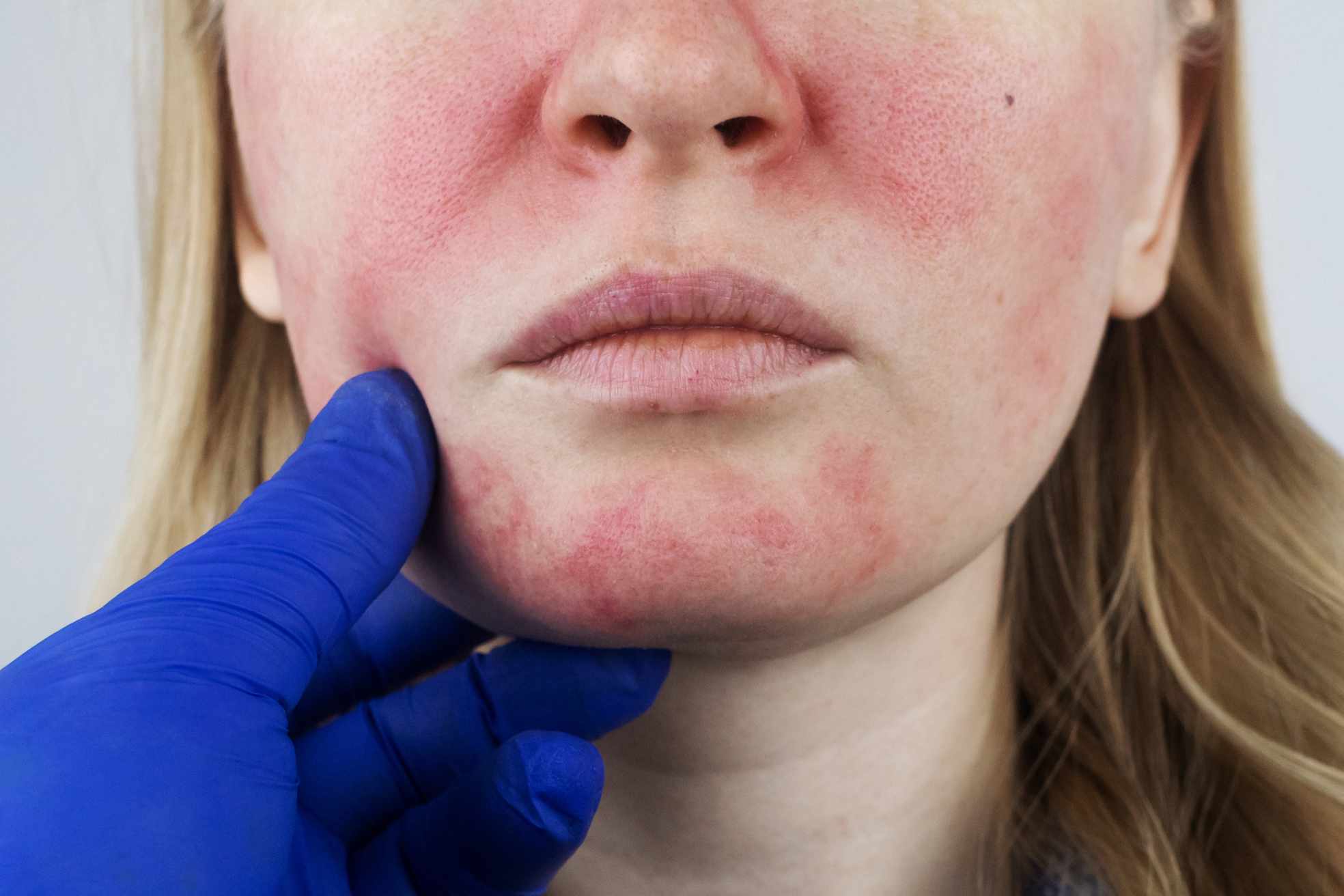
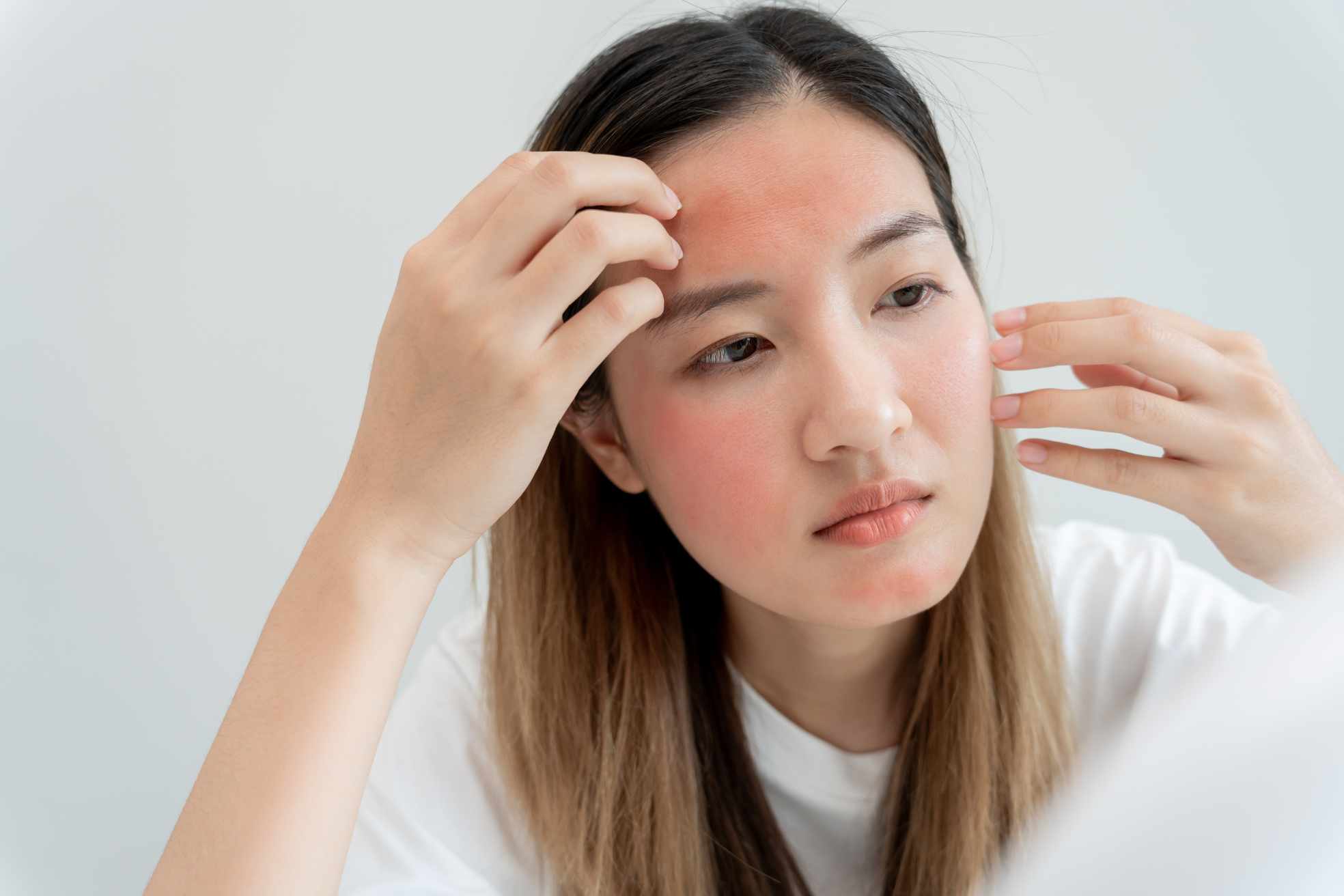
Rosacea usually affects the cheeks, nose, forehead, and chin. Early symptoms can come and go, which makes diagnosis tricky.
Common signs include:
- Frequent facial flushing
- Persistent redness
- Visible blood vessels
- Burning or stinging sensations
- Sensitive, reactive skin
- Acne-like bumps without blackheads
Many clients tell us they thought their skin was simply “sensitive”. Others blamed stress or hormones. In reality, rosacea often develops gradually over several years.
Australian weather does not help either. Strong UV exposure, dry summer heat, cold winds, and sudden temperature changes can all aggravate already fragile skin.
How Rosacea Affects Confidence and Daily Life
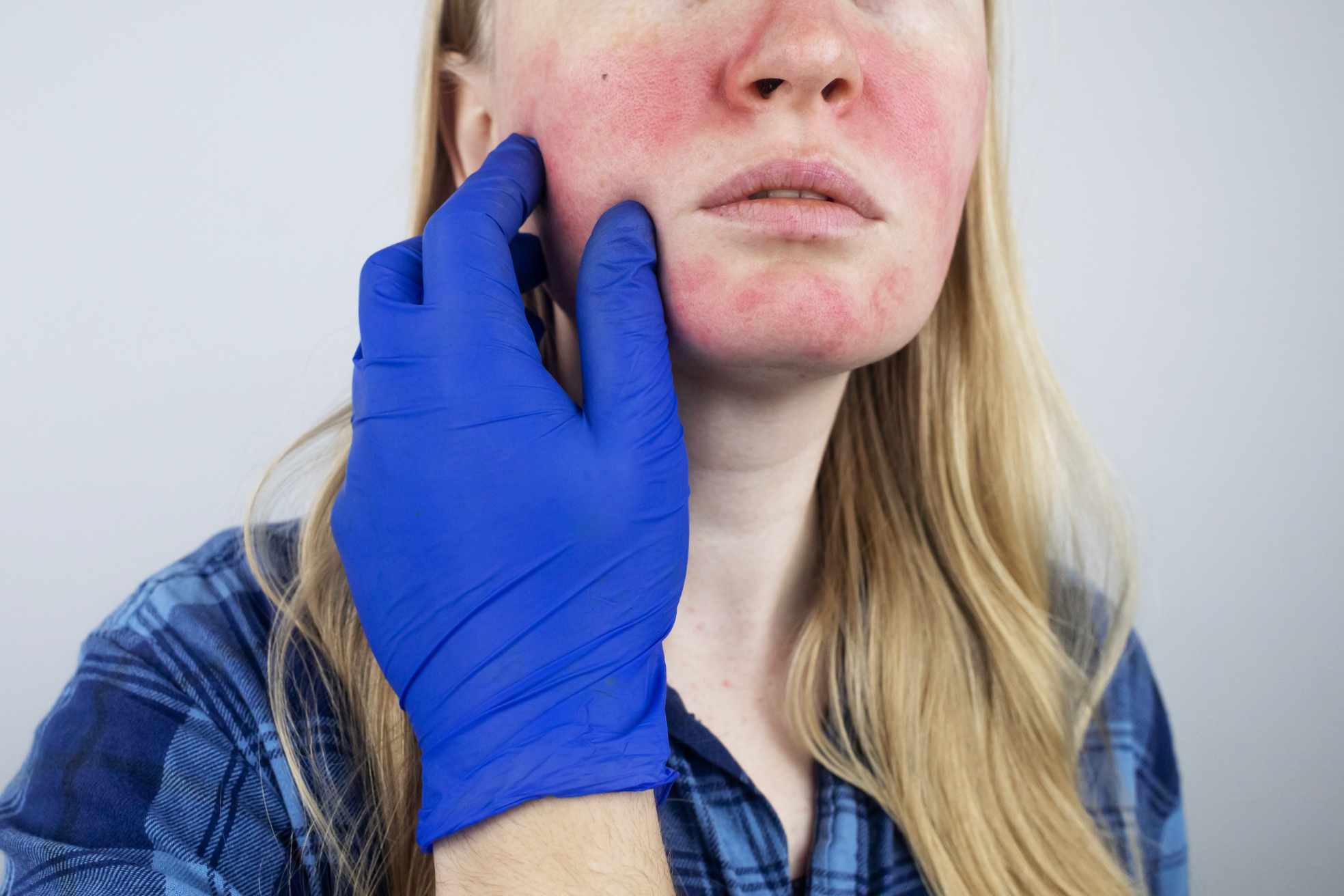
Rosacea is not just cosmetic. It can affect confidence, work, and social situations.
One client from Geelong shared that she stopped attending team lunches because hot coffee and warm rooms caused intense flushing. Another avoided exercise classes because her skin remained red for hours afterwards.
That old saying, “putting on a brave face,” becomes exhausting when your face constantly feels hot, irritated, and inflamed.
The 4 Types of Rosacea and What They Look Like
Erythematotelangiectatic Rosacea
This is the most common subtype. It causes:
- Persistent redness
- Frequent flushing
- Enlarged visible blood vessels
- Sensitive skin
The redness often begins across the cheeks and nose before becoming more permanent over time.
Clients frequently notice flare-ups after:
- Sun exposure
- Hot showers
- Alcohol
- Stress
- Spicy foods
Papulopustular Rosacea
This type resembles acne but behaves very differently.
Symptoms include:
- Red swollen bumps
- Pus-filled pustules
- Inflamed skin
- Facial tenderness
Unlike acne, rosacea does not usually produce blackheads.
We often see clients accidentally worsen their skin by using strong exfoliants or drying acne products. Unfortunately, that can inflame the skin barrier even further.
Phymatous Rosacea
This less common subtype causes thickened, uneven skin texture. It most often affects the nose, creating a bulbous appearance called rhinophyma.
Phymatous rosacea is more common in men and tends to develop gradually over many years.
Early treatment matters. Once tissue thickening becomes advanced, laser resurfacing may be required.
Ocular Rosacea
Rosacea can affect the eyes as well as the skin.
Symptoms may include:
- Watery eyes
- Bloodshot appearance
- Burning sensations
- Dryness
- Light sensitivity
- Eyelid irritation
Many people do not realise their eye irritation is connected to rosacea. That is why proper diagnosis is important.
What Causes Rosacea?
Rosacea develops from a combination of genetic, immune, and environmental factors.
Genetics and Family History
Rosacea commonly runs in families. Fair-skinned individuals with Celtic or Northern European backgrounds often have a higher risk.
If parents or siblings experience chronic redness or flushing, there may be a genetic link.
Overactive Blood Vessels and Inflammation
Rosacea-prone skin reacts more intensely to triggers. Blood vessels dilate too easily, leading to flushing and visible redness.
Over time, repeated inflammation weakens the skin barrier and makes symptoms more persistent.
Think of it like a smoke alarm that becomes overly sensitive. Eventually, even minor triggers can set it off.
Demodex Mites and Skin Irritation
Demodex mites naturally live on human skin. Most people never notice them.
However, rosacea sufferers often carry higher numbers of these microscopic mites, which may trigger irritation and immune reactions.
This is one reason ivermectin creams can help certain rosacea patients.
Common Rosacea Triggers in Australia
Triggers vary between individuals, but several patterns appear regularly in clinic.
Sun Exposure and Harsh Weather
Australia’s UV index is one of the highest in the world. Even short outdoor exposure can trigger flare-ups.
Common weather-related triggers include:
- Hot weather
- Cold winds
- Humidity
- Sudden temperature changes
- Indoor heating
Daily SPF is essential for rosacea management.
Foods and Drinks That Trigger Flushing
Certain foods increase blood flow and inflammation.
Common culprits include:
- Spicy foods
- Red wine
- Hot coffee
- Chocolate
- Citrus fruits
- Tomatoes
Keeping a trigger diary can help identify patterns.
| Common Trigger | Possible Reaction |
| Red wine | Facial flushing |
| Spicy curry | Burning sensation |
| Hot coffee | Persistent redness |
| Sun exposure | Increased inflammation |
Stress and Emotional Factors
Stress is a major rosacea trigger.
We often notice clients flare during busy work periods, family stress, or poor sleep. Emotional stress increases blood flow and inflammatory responses within the skin.
While stress cannot always be avoided, management strategies can help:
- Regular exercise
- Better sleep habits
- Walking outdoors
- Meditation
- Reducing alcohol intake
Professional Rosacea Treatments Available at Skin Clinics
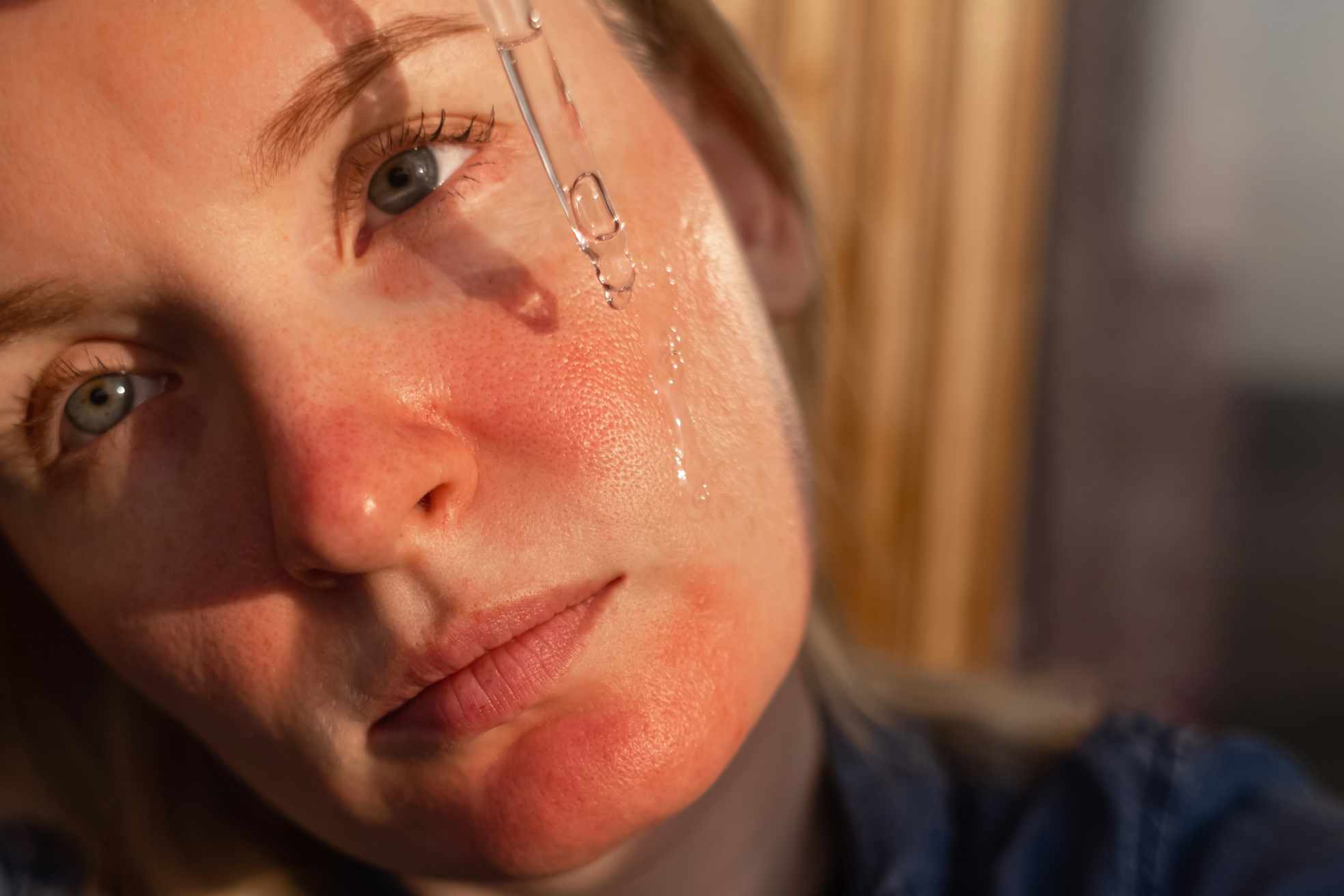
Prescription Creams for Redness and Breakouts
Treatment depends on the rosacea subtype and severity.
Common prescription treatments include:
| Treatment | Purpose |
| Azelaic acid | Reduces inflammation |
| Metronidazole | Controls flare-ups |
| Ivermectin | Targets Demodex mites |
| Brimonidine | Reduces redness temporarily |
Most clients require consistent use over several weeks before significant improvement appears.
Oral Medications for Moderate to Severe Rosacea
For more severe inflammation, doctors may prescribe oral medications such as doxycycline.
At low doses, these medications reduce inflammation rather than acting purely as antibiotics.
In resistant cases, low-dose isotretinoin may also be considered under medical supervision.
IPL and Laser Treatments for Persistent Redness
Laser and IPL treatments are often the gold standard for visible blood vessels and chronic redness.
These treatments work by targeting excess blood vessels beneath the skin without damaging surrounding tissue.
Clients often notice:
- Reduced flushing
- Less visible capillaries
- Improved skin tone
- Better overall comfort
Most people require a series of sessions spaced several weeks apart.
At Cosmetic Aesthetics Victoria, we always assess skin sensitivity carefully before recommending energy-based treatments. Rosacea skin can be unpredictable, so a personalised approach matters.
Advanced Treatments for Thickened Skin
For phymatous rosacea, laser resurfacing may help reshape thickened tissue and improve skin texture.
In some cases, practitioners also use small doses of anti-flushing injectables to reduce severe redness.
Daily Skincare Tips for Rosacea-Prone Skin
A Simple Routine That Supports Sensitive Skin
Rosacea skin responds best to gentle, consistent care.
A simple routine often works better than an overloaded skincare shelf.
| Morning Routine | Evening Routine |
| Gentle cleanser | Gentle cleanser |
| Hydrating serum | Prescription treatment |
| Moisturiser | Barrier cream |
| SPF 50 sunscreen | Nourishing moisturiser |
Ingredients to Avoid
Some skincare products can make rosacea worse very quickly.
Avoid:
- Alcohol-based toners
- Harsh scrubs
- Strong exfoliating acids
- Menthol
- Witch hazel
- Heavy fragrance
We often remind clients that “more” is not always better. Over-treating sensitive skin can backfire badly.
Practical Tips That Help Reduce Flare-Ups
Helpful habits include:
- Use lukewarm water when cleansing
- Patch-test new skincare products
- Wear a wide-brim hat outdoors
- Reapply sunscreen regularly
- Avoid over-exfoliating
Small changes can make a noticeable difference over time.
When to Seek Professional Help
Signs Your Rosacea Needs Clinical Treatment
Professional assessment is important if you experience:
- Persistent redness
- Painful flare-ups
- Eye irritation
- Skin thickening
- Ongoing sensitivity
- Emotional distress linked to skin appearance
Early treatment can help prevent progression.
What Happens During a Rosacea Consultation?
A proper consultation usually includes:
- Skin assessment
- Trigger discussion
- Review of current skincare
- Treatment planning
- Lifestyle recommendations
Every rosacea case is different. What works for one person may irritate another.
That is why customised treatment plans matter.
Rosacea is a chronic skin condition, but it does not have to control your life. With proper diagnosis, gentle skincare, trigger management, and professional treatments, many people achieve calmer, clearer skin.
At Cosmetic Aesthetics Victoria, we believe rosacea treatment should focus on both skin health and confidence. A personalised approach, realistic expectations, and ongoing support can make all the difference.
Sometimes the biggest improvements come from the smallest changes done consistently over time.
