
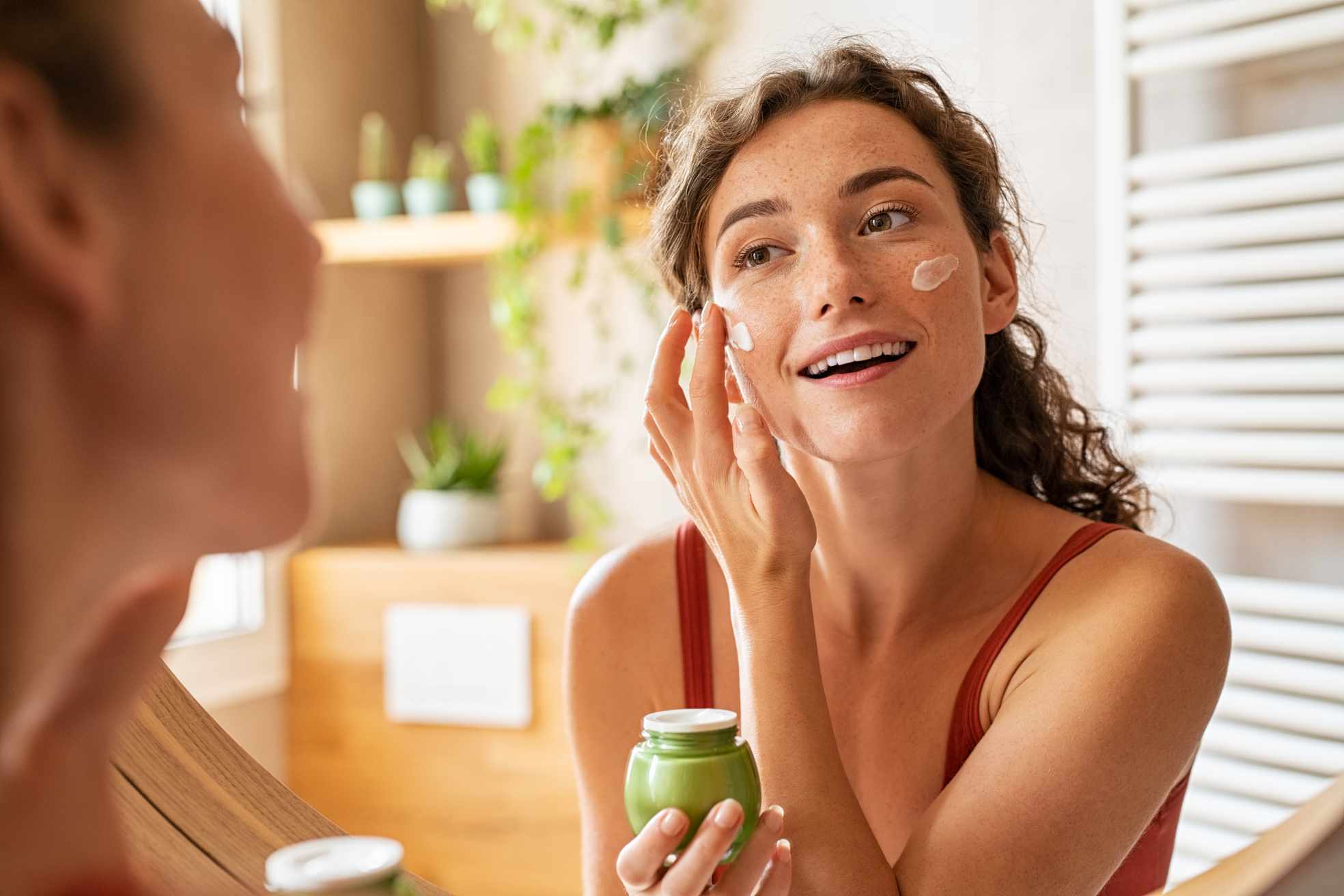
How to Build an Anti-Ageing Skincare Routine (With and Without Clinic Help)
Ageing happens to everyone. Fine lines appear, skin starts to lose firmness, and suddenly the products that worked at 25 no longer cut the mustard. Still, ageing well does not mean chasing perfection. It means keeping your skin healthy, strong, and supported through every stage of life.
At Cosmetic Aesthetics Victoria in Seaford, many clients arrive feeling overwhelmed by shelves full of skincare products and conflicting advice online. Some have spent hundreds on trends that delivered very little. Others have never used more than cleanser and moisturiser. The truth sits somewhere in the middle: a good anti-ageing skincare routine does not need to be complicated, but it does need consistency.
Whether you prefer an at-home routine or want professional clinic support, here is how to build a routine that works in real life.
Why Your Anti-Ageing Skincare Routine Should Start Earlier Than You Think
Most people notice the first signs of ageing in their late twenties or early thirties. Collagen production naturally slows down around age 25, and environmental stress starts to leave its mark.
Victoria’s climate does not help matters either. Even on cool or cloudy days around the Mornington Peninsula, UV exposure remains high. Years of beach trips, outdoor sports, driving, and everyday sun exposure can quietly build up beneath the skin.
The Difference Between Natural and Premature Skin Ageing
Natural ageing is genetic. Premature ageing is often lifestyle-driven.
Common causes include:
- Sun exposure
- Smoking
- Stress
- Poor sleep
- Dehydration
- Excess alcohol
- Inconsistent skincare
I once spoke with a client in her early forties who assumed her deep pigmentation came purely from ageing. After discussing her history, she admitted she spent years driving long distances for work without sunscreen because she “was not at the beach”. The right side of her face showed noticeably more sun damage from years behind the wheel.
That is often how skin ageing works. Small habits quietly add up over time.
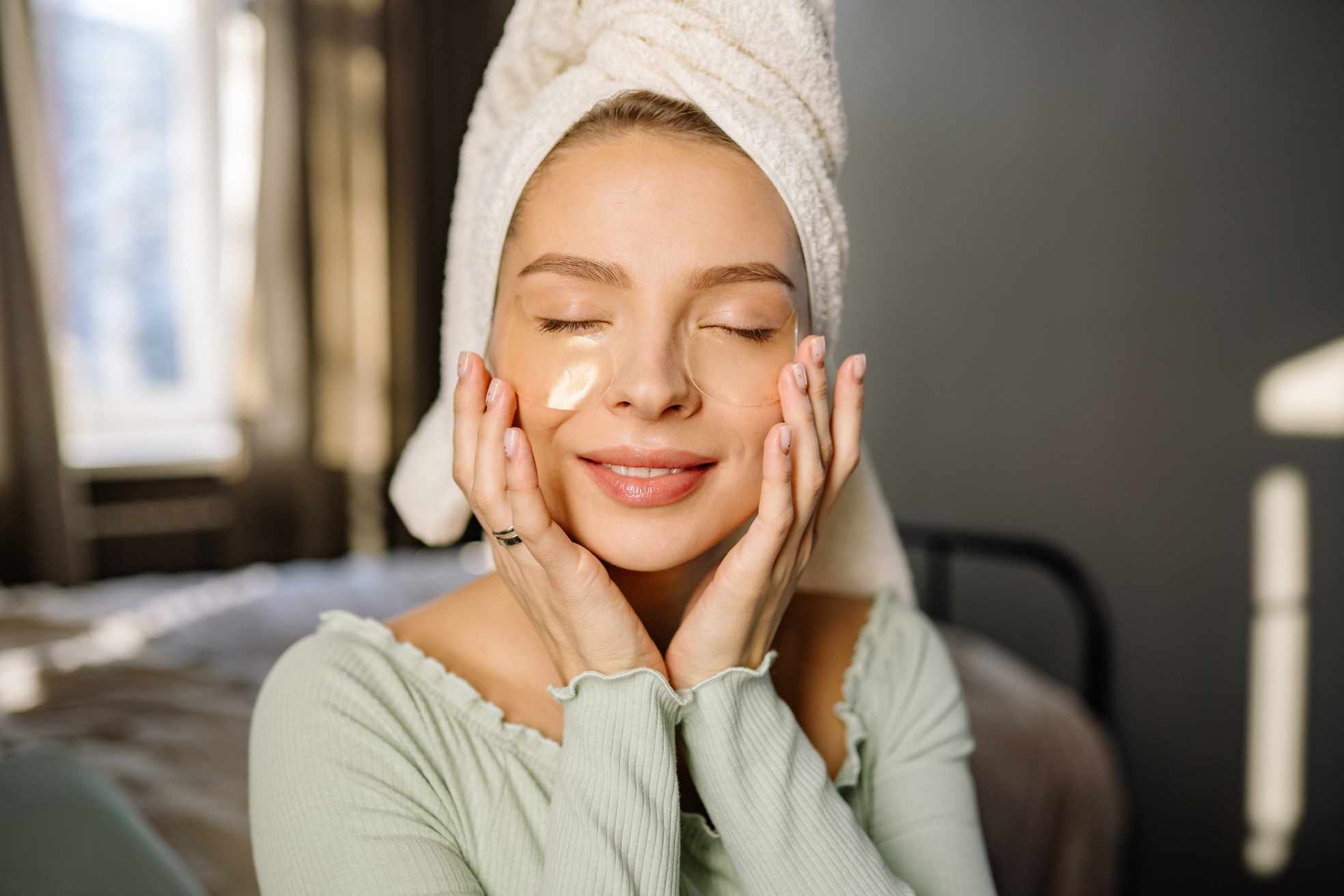
What Most People Get Wrong About Anti-Ageing Skincare
Many people throw everything at their skin at once. Acids, scrubs, retinol, peels — the whole kit and caboodle.
Usually, that backfires.
Overusing active ingredients can damage the skin barrier, leaving skin red, dry, irritated, and more reactive. A steady routine almost always works better than an aggressive one.
“Good skincare is not about doing the most. It is about doing the right things consistently.”
The Morning Anti-Ageing Routine That Protects Your Skin
Morning skincare should focus on protection. Think of it as preparing your skin for the day ahead.
Step 1: Start With a Gentle Cleanser
A harsh cleanser can strip away natural oils and weaken the skin barrier.
Look for:
- Cream or gel cleansers
- Ceramides
- Glycerin
- Fragrance-free formulas if sensitive
If your skin feels tight after washing, that is usually a sign the cleanser is too strong.
Step 2: Add Vitamin C for Daily Defence
Vitamin C remains one of the most reliable anti-ageing ingredients available.
Benefits include:
- Brightening dull skin
- Supporting collagen production
- Helping reduce pigmentation
- Fighting environmental stress
A client from Frankston recently described Vitamin C as “making her skin look awake again” after months of winter dullness. That is often the first noticeable improvement people see.
Step 3: Use a Moisturiser That Supports Hydration
Hydrated skin looks healthier and smoother.
Ingredients worth looking for:
- Hyaluronic acid
- Ceramides
- Peptides
- Niacinamide
Think of moisturiser as sealing everything in. Without hydration, active ingredients can irritate the skin more easily.
Step 4: Wear SPF 30+ Every Single Day
This is the non-negotiable step.
Research consistently shows UV exposure is one of the biggest causes of premature skin ageing. Fine lines, pigmentation, broken capillaries, and collagen breakdown all worsen with sun exposure.
Even indoors, UV rays can penetrate windows.
A simple checklist:
- SPF 30 or higher
- Broad-spectrum protection
- Reapply if outdoors
- Apply to neck and chest too
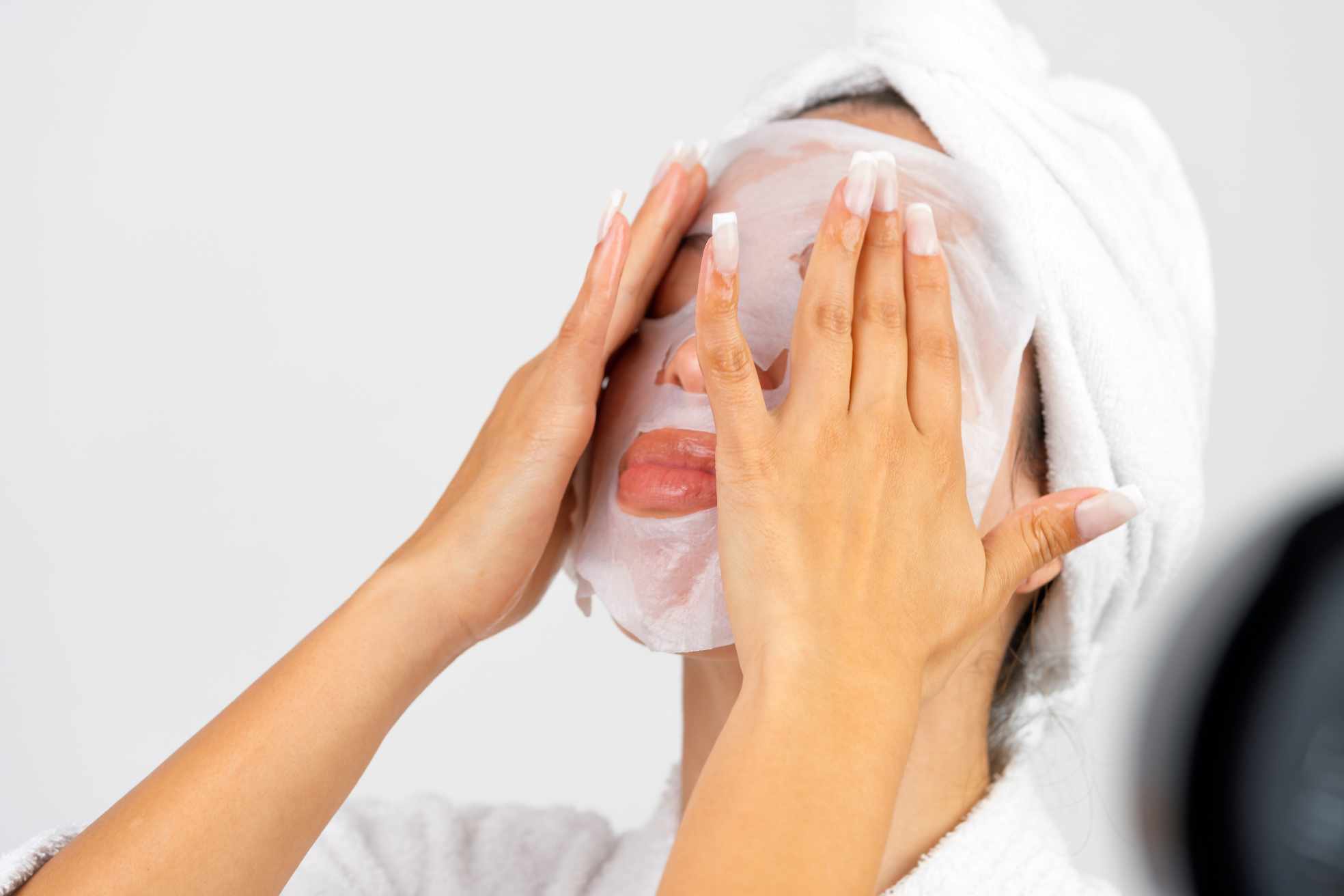
The Evening Routine That Helps Skin Repair Overnight
Night-time skincare focuses on repair and renewal.
Step 1: Double Cleanse Properly
If you wear sunscreen or makeup, one cleanse is often not enough.
A simple double cleanse includes:
- Oil or balm cleanser
- Gentle water-based cleanser
This removes sunscreen, makeup, excess oil, and pollution properly without over-scrubbing.
Step 2: Introduce Retinol Slowly
Retinol remains the gold standard for at-home anti-ageing skincare.
It can help:
- Smooth fine lines
- Improve skin texture
- Fade pigmentation
- Support collagen production
However, many people rush into strong formulas and end up irritated.
A safer timeline looks like this:
| Week | Frequency |
| 1–2 | Twice weekly |
| 3–4 | Every second night |
| 5 onwards | Increase gradually if tolerated |
One of the biggest mistakes people make is assuming more retinol equals better results. Skin does not work that way. Slow and steady usually wins the race.
Step 3: Finish With a Barrier-Supporting Night Cream
Night creams help calm and repair the skin overnight.
Helpful ingredients include:
- Ceramides
- Peptides
- Squalane
- Niacinamide
If your skin becomes flaky or sensitive, scale back active ingredients before adding more products.
When At-Home Skincare Is No Longer Enough
A home routine can improve hydration, texture, and mild ageing concerns. But some changes sit deeper within the skin.
This is where professional support can make a real difference.
Signs You May Benefit From Clinic Treatments
You may want professional guidance if:
- Fine lines remain visible at rest
- Pigmentation keeps returning
- Skin feels loose or sagging
- Acne scarring has not improved
- You notice volume loss around cheeks or lips
- Products no longer seem effective
At Cosmetic Aesthetics Victoria, many clients begin with a complimentary consultation because they simply want honest advice without pressure.
Why Professional Skin Analysis Matters
Sometimes the issue is not obvious on the surface.
Advanced skin analysis systems like Observ 520 can identify:
- Dehydration
- UV damage
- Pigmentation patterns
- Congestion
- Barrier impairment
This allows treatments to be tailored properly instead of relying on guesswork.
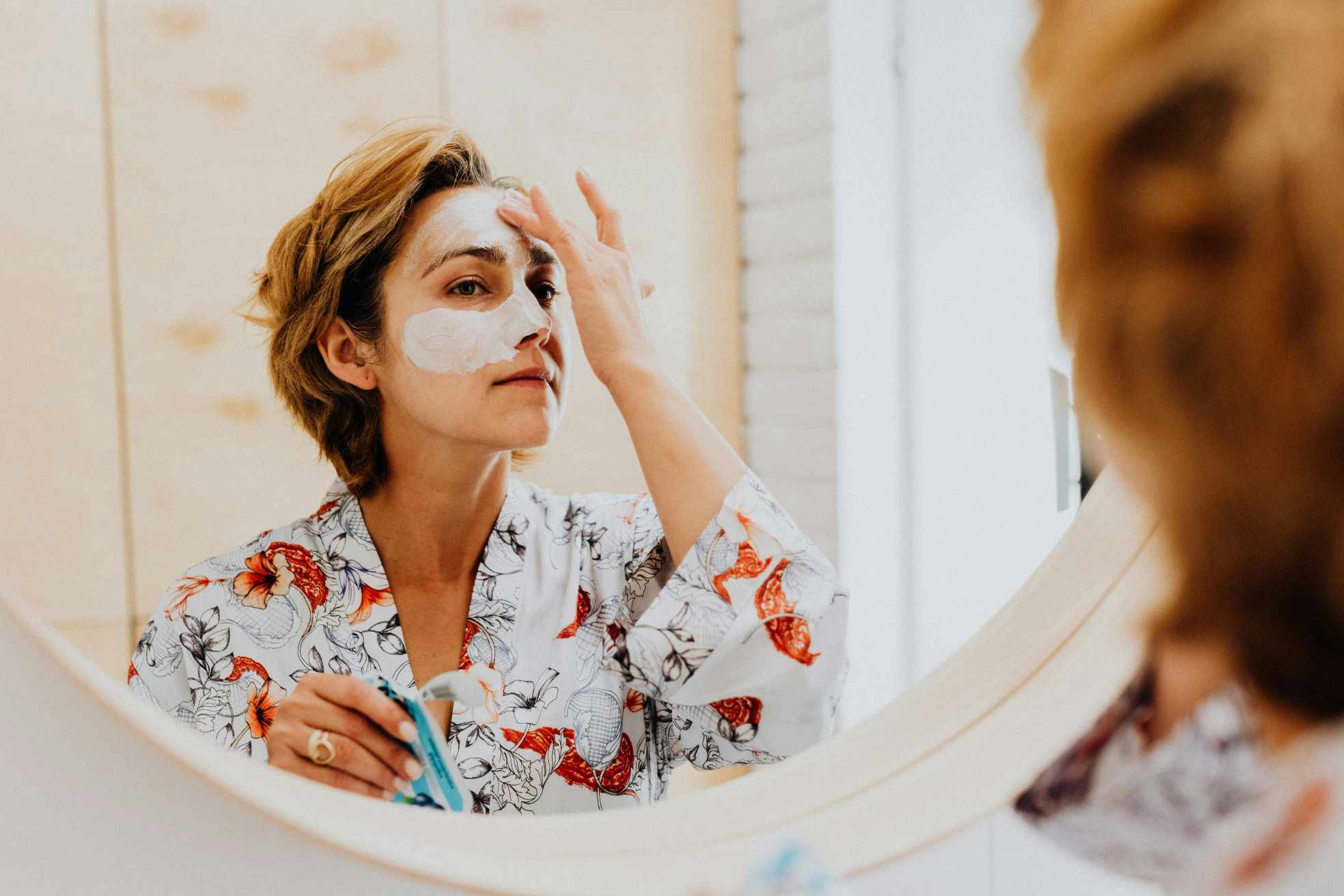
Professional Treatments That Support Anti-Ageing
Professional treatments work best when combined with consistent home care.
Skin Needling and RF Treatments
Skin needling stimulates collagen through controlled micro-injuries.
RF microneedling adds radiofrequency energy deeper into the skin, helping support firmness and texture.
These treatments are commonly used for:
- Enlarged pores
- Fine lines
- Acne scarring
- Mild skin laxity
Results build gradually over several months.
Chemical Peels and Laser Treatments
Chemical peels help remove damaged surface skin cells and improve brightness.
Laser treatments may help target:
- Sun damage
- Pigmentation
- Uneven texture
- Redness
The best treatment depends heavily on skin type, lifestyle, and downtime expectations.
Cosmetic Injectables for Expression Lines and Volume Loss
As faces age, volume naturally decreases.
Anti-wrinkle treatments can soften expression lines, while dermal fillers may restore structure and balance.
At Cosmetic Aesthetics Victoria, cosmetic injectable treatments are performed by a Registered Nurse in consultation with a Cosmetic Doctor.
That medical oversight matters. Especially in an industry where not every provider operates to the same standard.
Regenerative Treatments and Skin Boosters
Treatments like Platelet Rich Therapy (PRT) and skin boosters focus on improving overall skin quality rather than dramatically changing facial shape.
Clients often describe the result as looking “well-rested” rather than obviously treated.
Lifestyle Habits That Quietly Affect Your Skin Every Day
Skincare products help, but lifestyle plays a huge role too.
Food, Water and Sleep Still Matter
Healthy skin reflects overall health.
Helpful habits include:
- Drinking enough water
- Eating antioxidant-rich foods
- Reducing smoking and excessive alcohol
- Prioritising sleep
- Managing stress
One local client joked that her best skincare product was finally getting eight hours of sleep after changing jobs. Truthfully, she was not far off.
Smoking and Chronic Stress Age Skin Faster
Smoking reduces blood flow to the skin and damages collagen.
Stress can also trigger inflammation and weaken the skin barrier. Many people notice breakouts, dullness, or irritation during stressful periods.
No serum completely cancels that out.
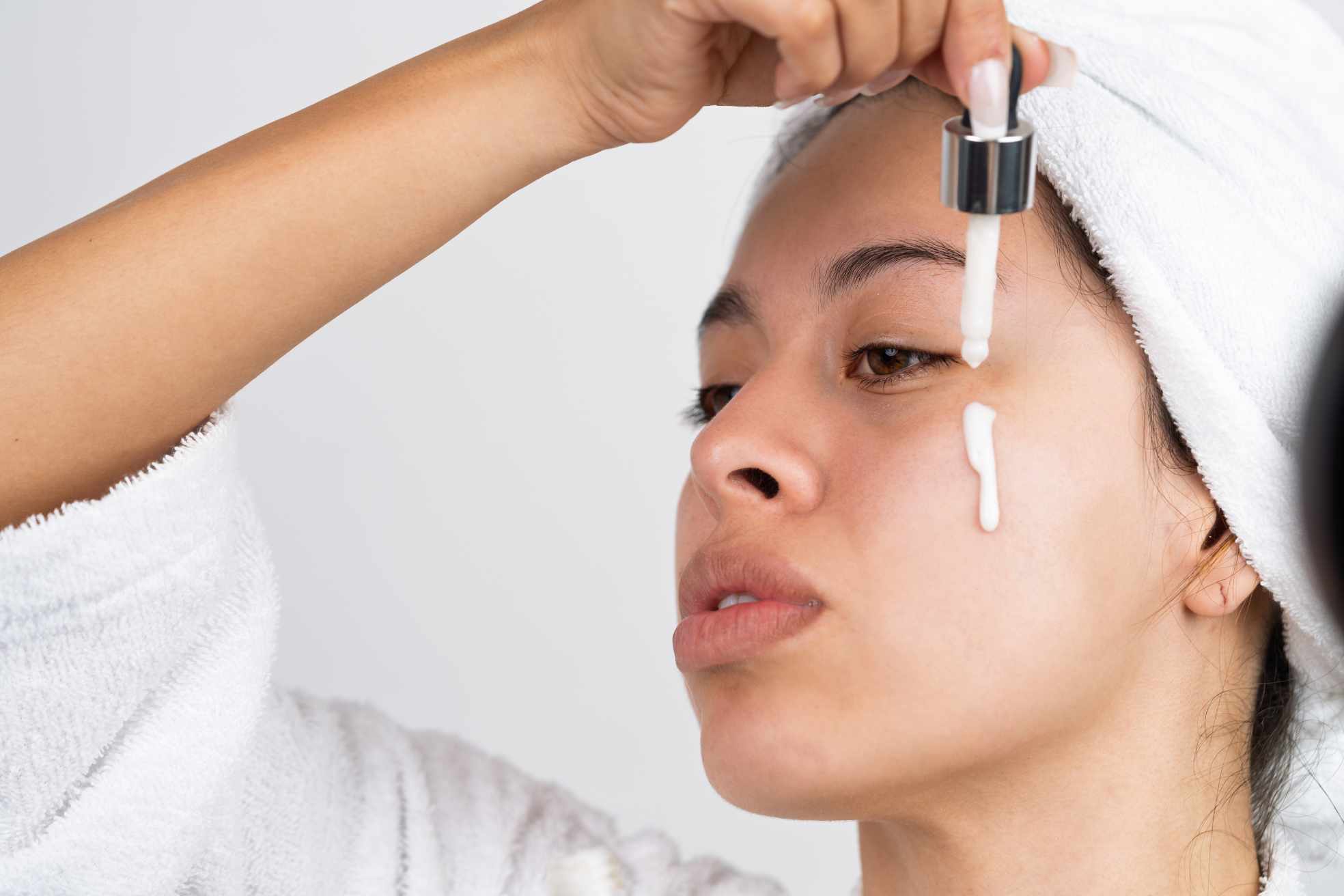
Simple Anti-Ageing Skincare Checklist
Here is a realistic daily routine most people can maintain long term.
| Morning | Evening |
| Gentle cleanser | Double cleanse |
| Vitamin C serum | Retinol |
| Moisturiser | Night cream |
| SPF 30+ | Hydrating serum if needed |
Consistency matters far more than having ten expensive products.
Building an anti-ageing skincare routine does not need to feel overwhelming.
Start with the basics:
- Gentle cleansing
- Vitamin C
- Hydration
- Retinol
- Daily SPF
Then build from there.
Professional treatments can absolutely help, particularly for pigmentation, skin laxity, and volume loss, but the real secret is consistency. The clients who achieve the best long-term results are usually the ones who stick to simple habits year after year.
Healthy skin is not built overnight. It is built through small decisions repeated consistently over time.
