
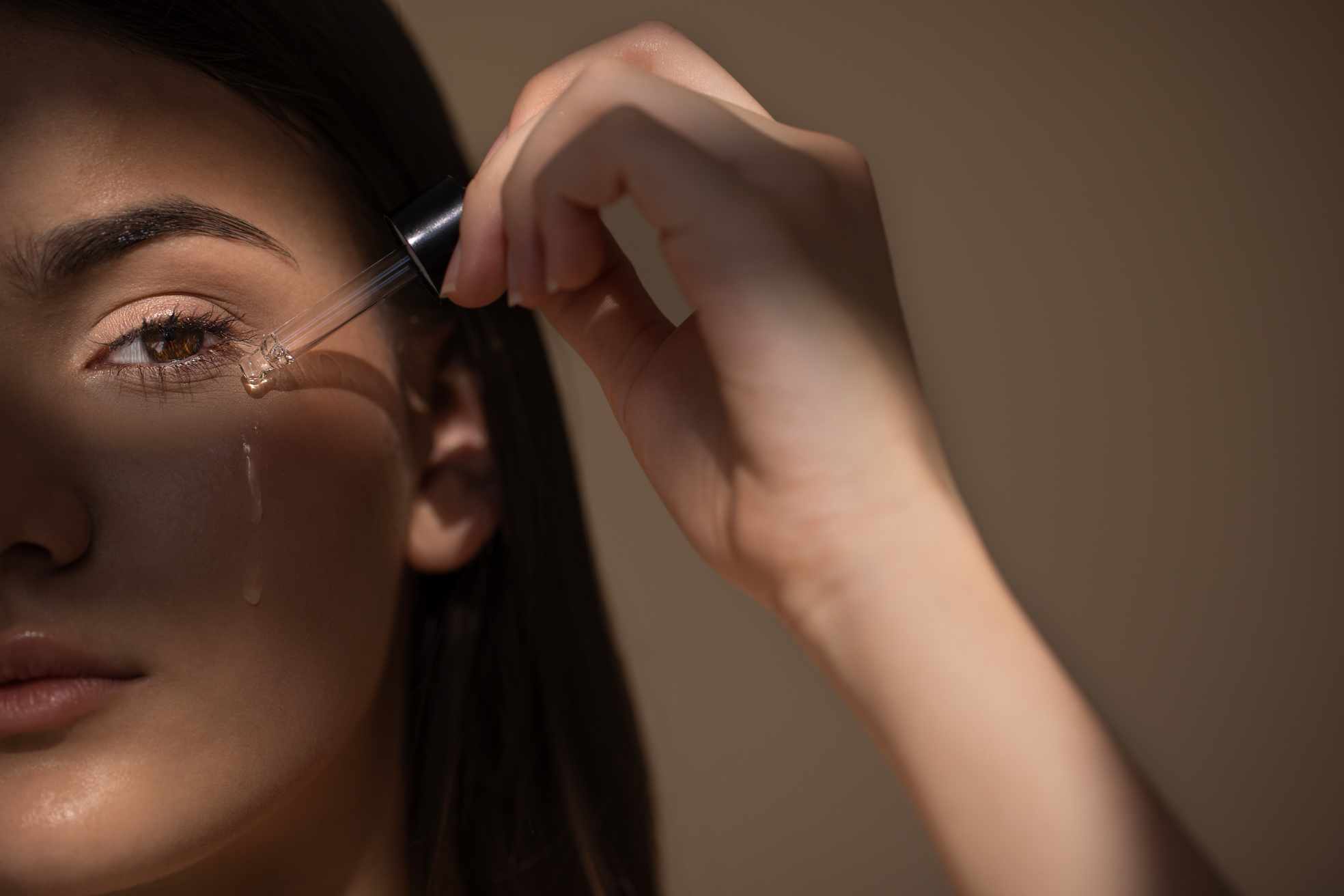
Vitamin C Serums and IPL: How to Combine Skincare and Clinic Treatments
Achieving brighter, clearer skin is rarely about one miracle product. In our clinic in Seaford, many clients arrive after trying “everything under the sun” for pigmentation, redness, or dullness. Some have spent years layering serums at home. Others have jumped straight into treatments without a proper skincare plan.
The truth usually sits somewhere in the middle.
One of the most effective combinations we see is Vitamin C serum paired with IPL treatment. Done correctly, this duo can help improve uneven skin tone, sun damage, and early signs of ageing. But timing matters. Use strong active skincare too soon after IPL, and your skin can become irritated faster than a Melbourne weather change.
Here is how to combine Vitamin C and IPL safely for better long-term skin results.
Why Vitamin C Serum Is a Smart Daily Step for Brighter Skin
How Vitamin C Helps Fade Pigmentation and Sun Damage
Vitamin C has earned its reputation for a reason. It is one of the most researched skincare ingredients for brightening skin and reducing visible sun damage.
In Australia, we deal with high UV exposure almost year-round. Even clients who wear sunscreen often tell us they spent decades driving, gardening, walking the dog, or watching kids play sport without daily SPF habits. Over time, this exposure catches up with the skin.
Vitamin C helps by:
- Reducing the appearance of pigmentation
- Supporting collagen production
- Brightening dull skin
- Providing antioxidant protection against environmental stress
We often explain it this way to clients: IPL helps clean up the “old damage”, while Vitamin C helps reduce future damage from building up again.
Why Morning Use Works Best
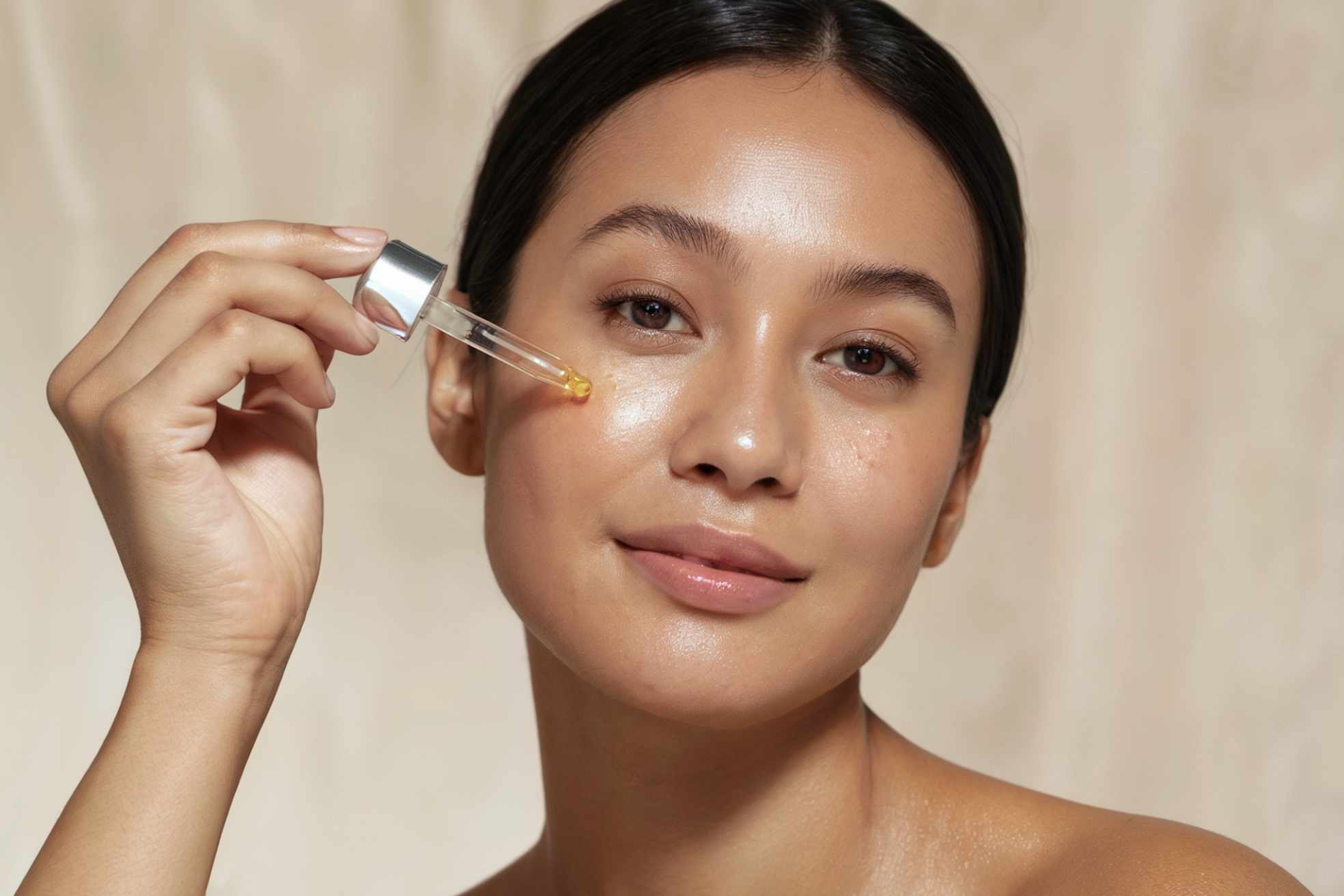
Most people benefit from applying Vitamin C in the morning because it works alongside sunscreen to defend the skin against daily environmental stress.
A simple morning routine often works best:
- Gentle cleanser
- Vitamin C serum
- Moisturiser
- Broad-spectrum SPF 30 or higher
Overcomplicating skincare can sometimes do more harm than good. We regularly see irritated skin barriers caused by clients using five or six active products at once. As the saying goes, too many cooks spoil the broth.
What Makes Some Vitamin C Serums Too Strong After IPL
Not all Vitamin C products feel the same on the skin.
L-ascorbic acid, considered the gold standard form of Vitamin C, is highly active and acidic. While effective, it can sting when applied to freshly treated skin.
That is why timing after IPL matters. Healthy skin may tolerate strong Vitamin C well, but post-treatment skin behaves differently. After IPL, your skin is temporarily vulnerable and needs gentle care first.
What IPL Treatment Does That Skincare Cannot Do Alone
How IPL Targets Pigment and Redness Below the Surface
IPL stands for Intense Pulsed Light. Unlike traditional lasers that use a single wavelength, IPL uses broad-spectrum light to target pigmentation and visible redness within the skin.
The light energy heats unwanted pigment and vascular irregularities. Over time, the body naturally clears these fragmented particles away.
Clients commonly seek IPL for:
- Sun damage
- Freckles
- Pigmentation
- Rosacea-related redness
- Uneven skin tone
- Age spots
At Cosmetic Aesthetics Victoria, consultations are important because IPL is not suitable for everyone. Skin type, recent tanning, medications, and underlying pigmentation conditions all matter.
What Clients Often Notice After IPL
One thing surprises many first-time IPL clients: pigmentation often looks darker before it improves.
A realistic recovery timeline may look like this:
| Time After IPL | Common Skin Response |
| Day 1–2 | Warmth, redness, mild swelling |
| Day 3–5 | Pigment darkens noticeably |
| Day 5–10 | Dark spots become dry and flaky |
| Day 7–14 | Skin appears clearer and brighter |
The first time a client sees darkened pigment after IPL, it can feel alarming. I remember one woman from Frankston joking that her freckles looked like “coffee grounds sprinkled across her face”. A week later, most had naturally lifted away.
Patience is part of the process.
Why Clinic Assessment Comes Before IPL
A proper consultation helps prevent complications.
For example, melasma behaves differently from standard sun spots. Treating melasma aggressively with heat-based devices can sometimes worsen pigmentation instead of improving it.
This is why experienced skin assessment matters. Good clinics do not rush treatments just to fill appointment books.
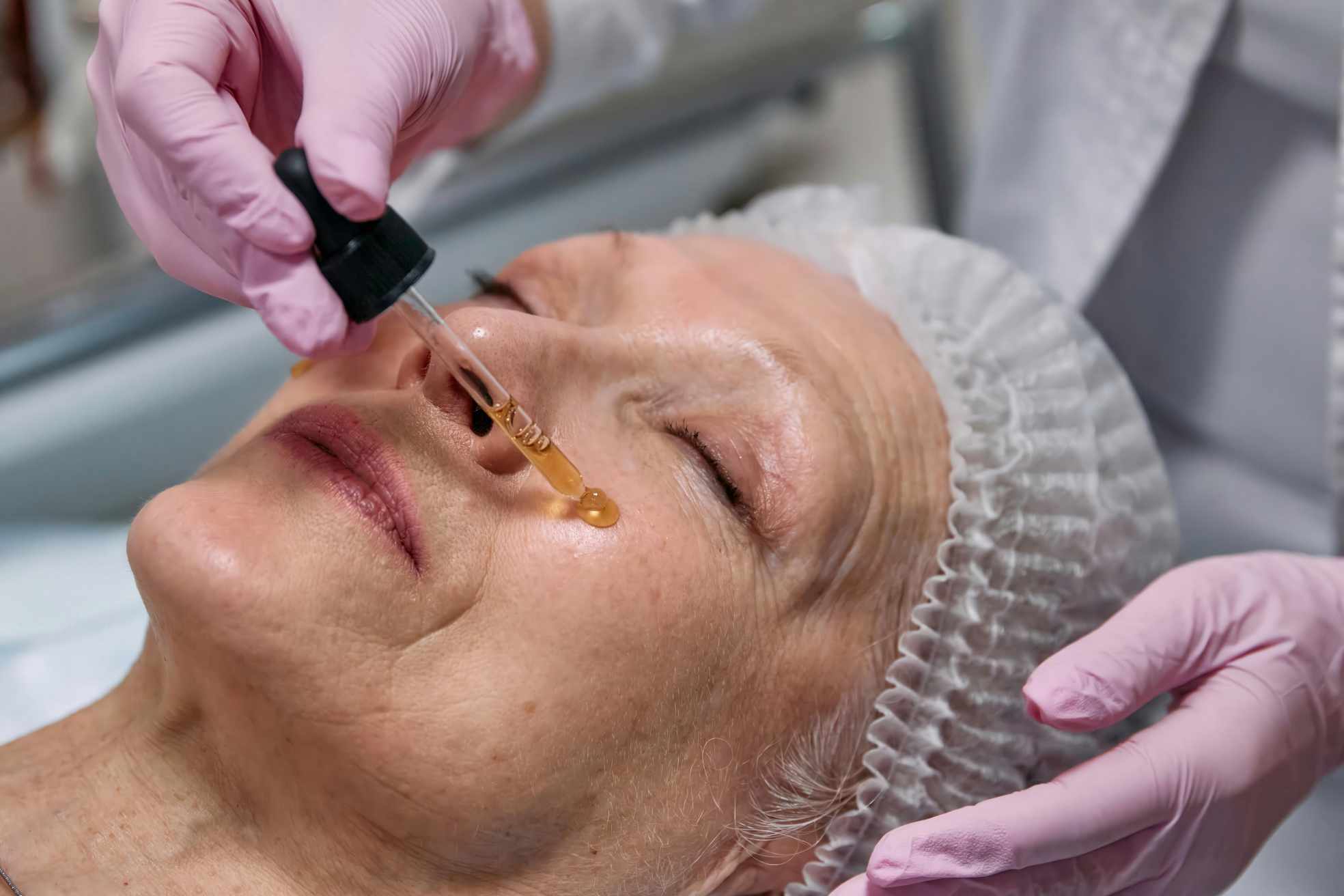
Vitamin C Serum and IPL Work Best When Each Has the Right Role
IPL Helps Clear Existing Pigment
Think of IPL as the deeper corrective step.
It works beneath the skin surface to target visible pigmentation and redness already sitting within the skin.
Vitamin C Helps Protect the Result Between Treatments
Vitamin C works more like maintenance and prevention.
Used consistently, it helps support brightness while protecting against environmental stress and free radicals. When combined with sunscreen, it becomes part of a long-term skin health strategy.
The “One-Two Punch” for Uneven Skin Tone
One of our clinicians often explains it simply:
“IPL does the heavy lifting. Vitamin C helps maintain the results between treatments.”
That combination makes sense for many clients living along the Mornington Peninsula where outdoor lifestyles and UV exposure are common.
When to Stop Vitamin C Before IPL
The Simple Pre-Treatment Rule
Before IPL, most clients are advised to pause strong active skincare products temporarily.
This may include:
- Vitamin C serums
- Retinoids
- Exfoliating acids
- Scrubs
- Strong acne treatments
Your clinician will advise how many days to stop products before treatment based on your skin sensitivity and treatment plan.
Why Recently Tanned Skin Is a Red Flag
Australian clinics take sun exposure seriously for good reason.
Fresh tanning increases the risk of adverse reactions with IPL because the light targets pigment. Recently sun-exposed skin can react unpredictably.
This becomes particularly relevant during Victorian summers when beach weekends, boating, and outdoor sport are part of everyday life.
Pre-IPL Checklist
Before treatment:
- Avoid active tanning
- Wear sunscreen daily
- Pause strong active products if advised
- Keep skin hydrated
- Tell your clinician about medications or recent skin procedures
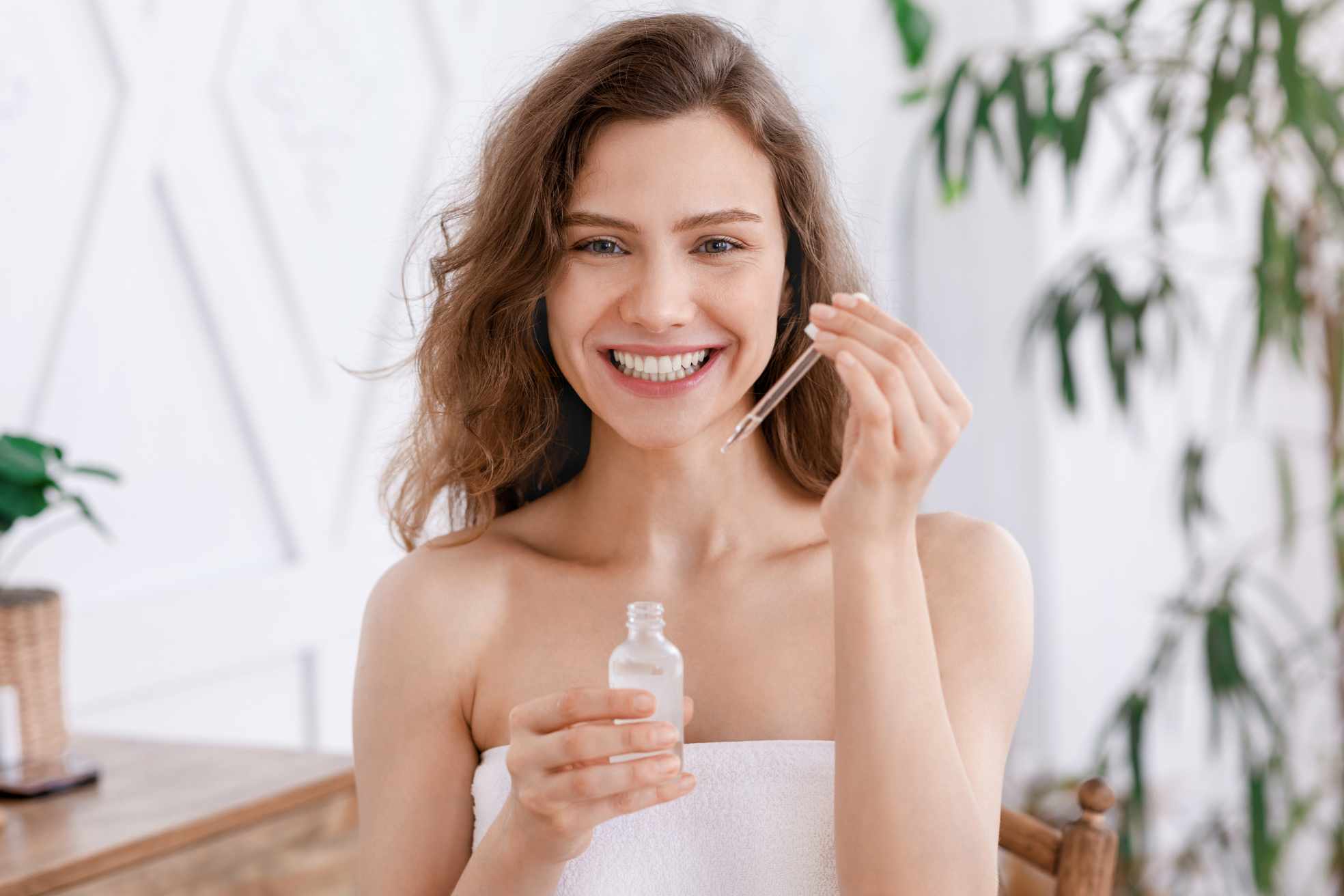
When to Restart Vitamin C After IPL
Days 1–7: Let the Skin Settle
Immediately after IPL, your skin may feel warm and sensitive, similar to mild sunburn.
This is not the time to throw every serum in your bathroom cabinet at your face.
Stick to:
- Gentle cleanser
- Simple moisturiser
- Broad-spectrum sunscreen
- Cool compresses if needed
Avoid:
- Vitamin C
- Retinol
- AHAs and BHAs
- Scrubs
- Picking flaking pigment
Days 5–14: Reintroduce Vitamin C Slowly
Most clients can restart Vitamin C somewhere between day 5 and day 14, depending on healing.
A cautious approach works best:
- Test a small area first
- Start every second morning
- Monitor for stinging or redness
- Increase gradually if comfortable
One client from Mount Eliza restarted her strong Vitamin C too early after IPL because she “didn’t want to lose momentum”. Her skin became irritated and inflamed for nearly a week afterwards. Sometimes slow and steady wins the race.
After 2 Weeks: Build a Maintenance Routine
Once the skin has fully settled, many people continue with:
| Morning Routine | Evening Routine |
| Gentle cleanser | Gentle cleanser |
| Vitamin C serum | Hydrating serum |
| Moisturiser | Moisturiser |
| SPF 30+ | Barrier-support cream |
Consistency usually delivers better results than constantly changing products.
Skincare After IPL: What to Use and What to Avoid
Use These While Skin Recovers
| Time After IPL | Recommended | Avoid |
| First 48 hours | Gentle cleanser, moisturiser, SPF | Hot showers, saunas, intense workouts |
| Days 3–7 | Hydration and barrier repair | Acids, retinol, exfoliation |
| Days 7–14 | Gradual active reintroduction | Aggressive product layering |
Do Not Pick Darkened Pigment
This is one of the biggest mistakes we see.
When pigment darkens and becomes flaky, it can be tempting to scrub or pick at it. Resist the urge.
Picking may increase irritation and can lead to uneven pigmentation or prolonged healing.
Who Should Be More Careful With Vitamin C and IPL
Sensitive Skin and Rosacea
Reactive skin types may need slower treatment plans and gentler homecare products.
Clients with rosacea often benefit from professional guidance because overusing active skincare can worsen redness.
Melasma and Hormonal Pigmentation
Melasma requires careful management. Heat can trigger flare-ups in some people, so treatment settings and skincare choices need individual assessment.
Deeper Skin Tones
IPL is not ideal for every skin tone. The risk of pigmentation changes can increase in deeper complexions, making consultation essential before treatment.
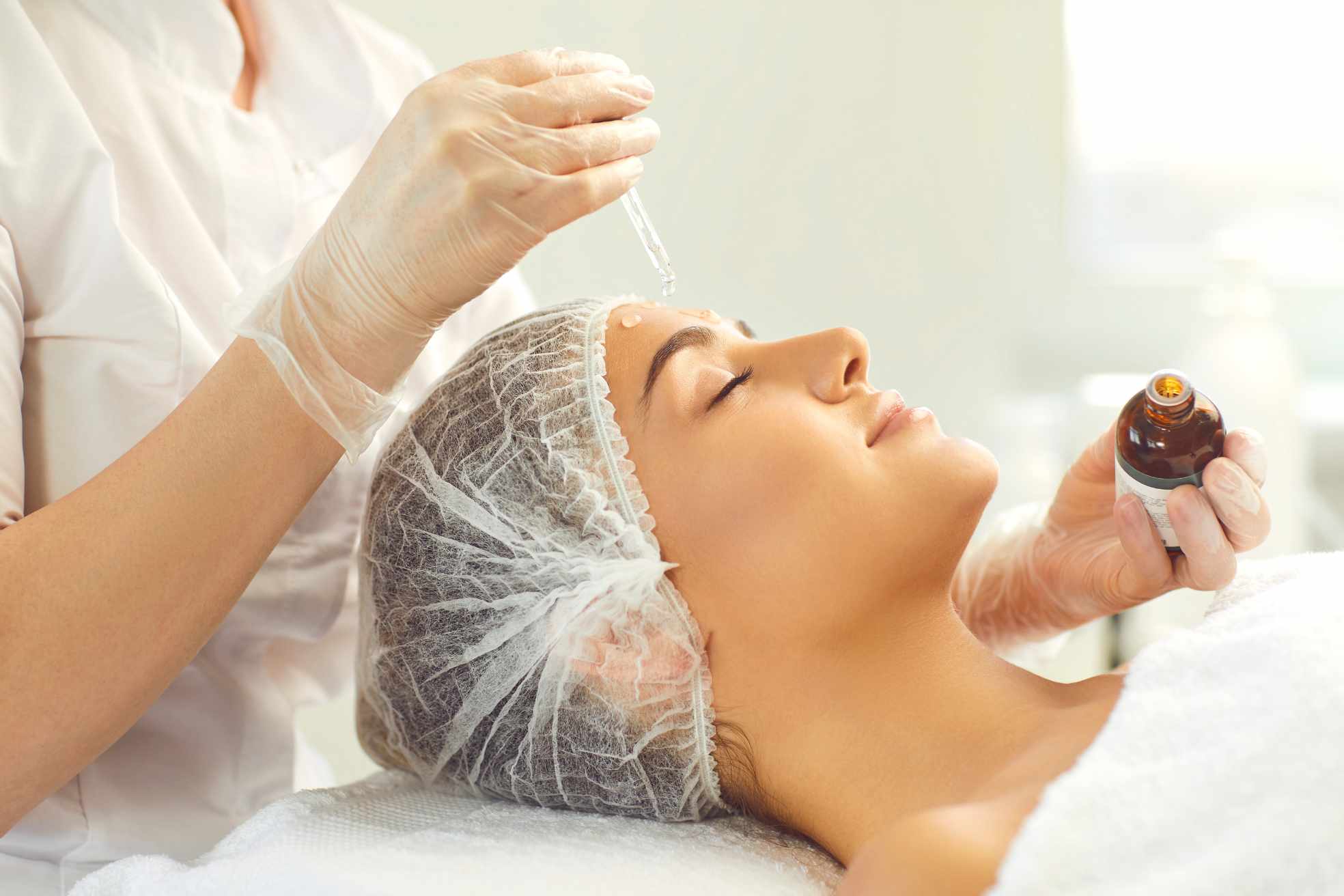
Real-World Example: Treating Sun Damage on the Mornington Peninsula
A realistic example we often see involves clients who spent years outdoors without daily SPF.
One woman in her early 50s came to our Seaford clinic concerned about brown spots across her cheeks after decades of beach walks and gardening. She had already tried multiple brightening serums but felt frustrated with limited improvement.
After assessment, we created a staged plan:
- Pause strong active skincare before IPL
- Complete IPL treatment safely
- Focus on skin recovery first
- Reintroduce Vitamin C gradually
- Maintain results with SPF and ongoing skincare
Over several weeks, her skin tone appeared clearer and more even. Importantly, she also developed better long-term sun protection habits.
That part matters just as much as the treatment itself.
Vitamin C serum and IPL can complement each other beautifully when used correctly.
IPL helps target existing pigmentation and redness beneath the surface. Vitamin C supports brighter-looking skin and helps maintain results between treatments. Together, they create a balanced approach that combines professional treatment with consistent home care.
The key is respecting your skin’s recovery time.
Rushing active skincare too soon after IPL rarely ends well. A calm, patient approach usually delivers the strongest long-term results.
If you are considering IPL treatment for pigmentation, redness, or sun damage, a personalised consultation can help determine the safest and most effective treatment plan for your skin.
