
What Is Hyperhidrosis? Causes and Effective Clinic Treatments
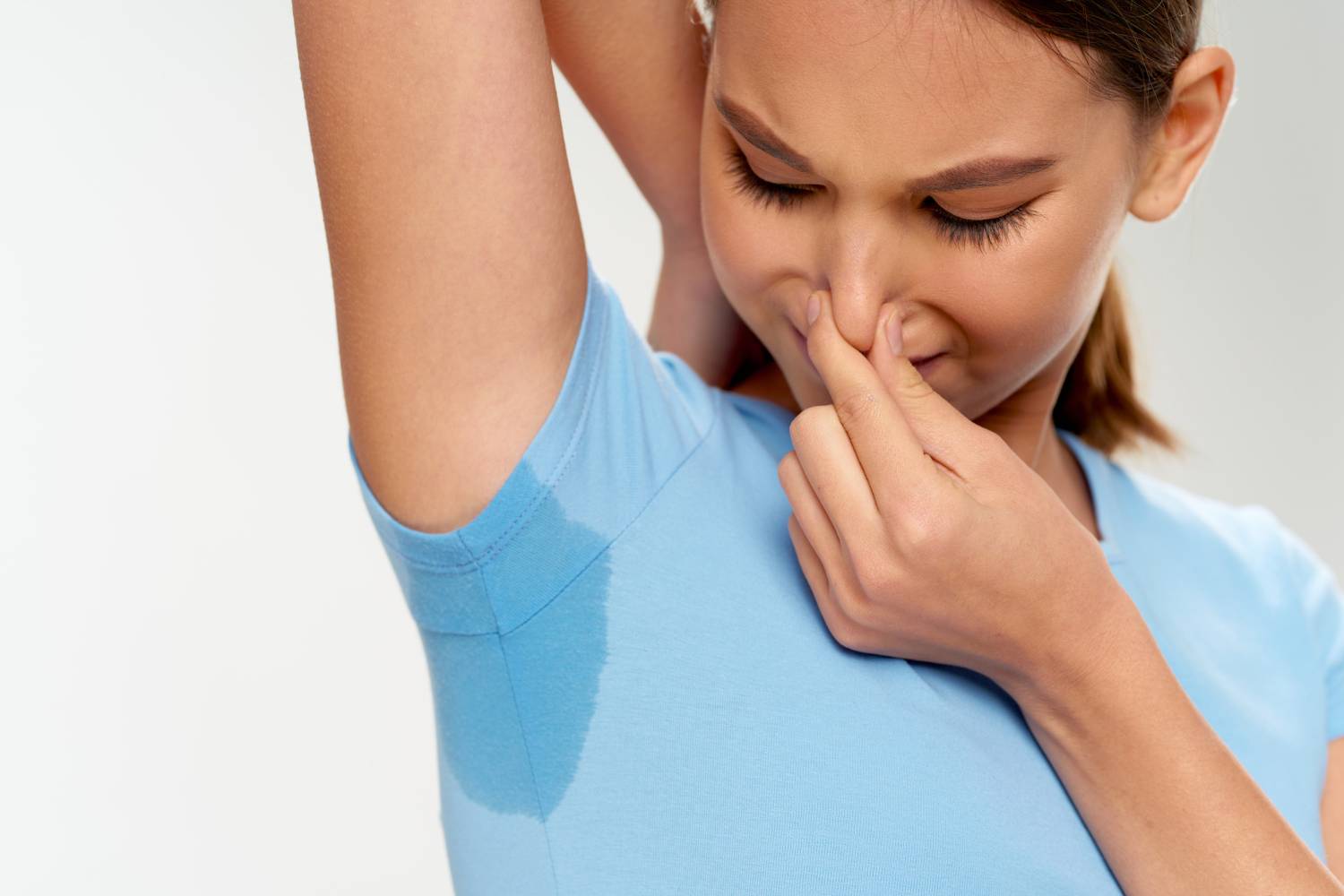
Sweating is normal. But when it happens too often, too much, or without reason, it could be something more serious. You might have hyperhidrosis if you’re constantly wiping your hands, avoiding certain clothes, or feeling self-conscious because of underarm stains. This condition affects thousands of Australians and often goes undiagnosed. The good news? It’s treatable.
Let’s Get Straight To The Point
Hyperhidrosis is a medical condition that causes excessive sweating in the underarms, hands, feet, or face. It’s not always caused by heat or exercise. The condition can be managed with real clinical solutions, including injections, devices, and medications.
Safe, proven options are available if you’re searching for hyperhidrosis treatment information or want to know about cosmetic clinic hyperhidrosis help.
Hyperhidrosis Explained Simply
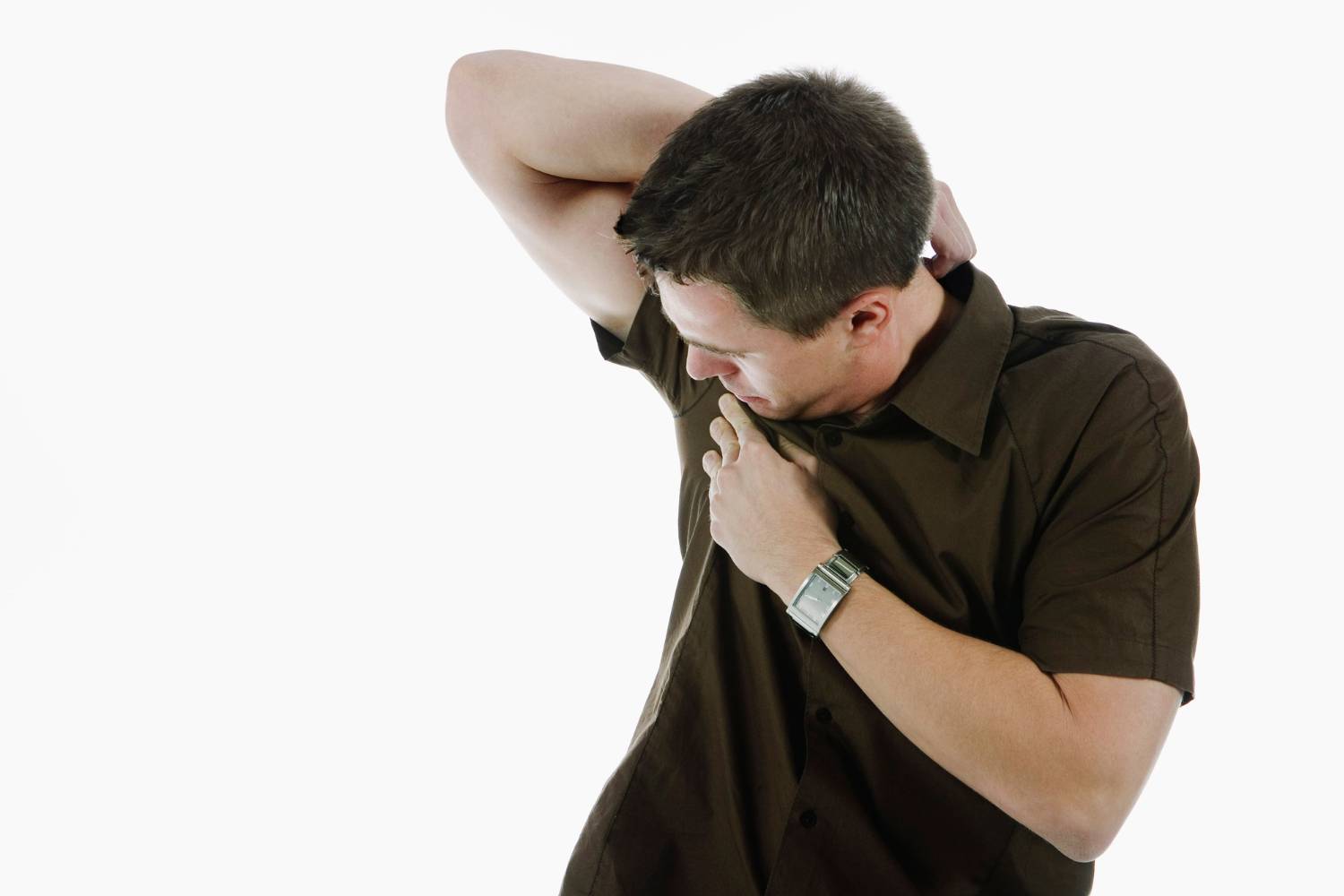
Hyperhidrosis means your body sweats more than it needs to.
Sweat helps regulate body temperature. However, the sweat glands are overactive in people with hyperhidrosis, even without heat or physical effort.
This condition often starts in the teenage years or early adulthood. It can affect the hands, feet, underarms, face, or, in rare cases, the whole body.
Signs you may have hyperhidrosis:
- You sweat even when you’re not hot
- Deodorants don’t help
- You avoid certain clothes due to sweat marks
- You feel embarrassed during handshakes
- Your shoes or clothes wear out quickly due to moisture
If this sounds familiar, it’s time to learn about excessive sweating diagnosis and care.
Types and Causes of Hyperhidrosis
There are two main types of hyperhidrosis: primary and secondary.
Primary hyperhidrosis:
This type happens without any apparent medical reason. It’s usually localised (like sweaty palms or underarms). It may run in families and often starts during the teenage years.
Secondary hyperhidrosis:
This is caused by an underlying condition or medication. It often affects the whole body and can start at any age.
Common causes include:
- Thyroid problems
- Diabetes
- Menopause
- Certain antidepressants or medications
- Infections or fever
- Obesity
If you’re unsure about the cause, a doctor can help with proper testing and recommend the right control sweating disorder treatment.
Why Early Diagnosis Matters
Many people wait years before seeking help. But the sooner you address it, the sooner you can improve your comfort and confidence.
Why diagnosis helps:
- Rules out severe health conditions
- Confirms whether it’s primary or secondary
- Allows for a personalised treatment plan
- It saves you from trying ineffective over-the-counter products
If you’re looking for treatment for hyperhidrosis near me, you’re already taking the right step.
Medical Solutions for Hyperhidrosis That Actually Work
There’s no single fix for hyperhidrosis, but clinics offer proven treatments that target the root of the problem. The best option depends on the severity and location of your sweating.
Botulinum toxin (Botox) injections
Botox is one of the most effective treatments for underarm sweating. It works by blocking the nerves that trigger sweat glands. Results last 4 to 9 months and can reduce sweating by over 80 per cent.
Best for:
- Underarms
- Palms
- Face
This is often the go-to if you’re searching for a cosmetic clinic for hyperhidrosis help that gives fast, long-term relief.
Iontophoresis
This is a device-based treatment, mainly used for hands and feet. You place your hands or feet in the water while a mild electrical current passes through. It’s safe and usually done in short sessions multiple times a week.
It’s ideal for people wanting non-invasive hyperhidrosis skin clinic options without medication.
Prescription antiperspirants
Doctors can prescribe more potent formulas than standard deodorants. These contain aluminium chloride and help block sweat glands.
Works best for:
- Mild to moderate underarm sweating
- Supplementing other treatments
Oral medications
Some tablets reduce the signals from nerves that activate sweat glands. These are useful for full-body sweating but may cause side effects like dry mouth or blurred vision.
Doctors may recommend these if you’ve tried topical treatments without success.
Surgery (as a last resort)
Endoscopic thoracic sympathectomy (ETS) is a procedure that cuts specific nerves to stop sweating. It’s only for very severe cases where all other treatments have failed.
What Happens During a Hyperhidrosis Clinic Appointment
If you’re planning to visit a clinic, here’s what usually happens:
First consultation:
- You’ll talk about your symptoms
- The practitioner will ask how sweating affects your life
- You may be asked about your medical history or medications
If your sweating is localised, they suggest botulinum injections or iontophoresis. If it’s body-wide, medication or referral for blood tests may be needed.
A good clinic will give you clear hyperhidrosis treatment information and allow you to ask questions before moving forward.
How to Find the Best Clinic for Hyperhidrosis
Not all clinics specialise in treating hyperhidrosis. Look for places with experience in both cosmetic and medical care.
Things to look for:
- A team with training in hyperhidrosis diagnosis and treatment
- Access to multiple treatment types
- A clear explanation of costs and follow-up plans
- A private, respectful environment
Search phrases like best clinic for hyperhidrosis or skin clinic options to start narrowing your search. Also, don’t hesitate to ask how often they treat this condition—experience matters.

How Much Do Treatments Cost?
Costs can vary depending on the treatment, clinic location, and how much product or time is needed.
Typical price ranges in Australia:
- Botox for underarms: $900–$1,500 per session
- Iontophoresis machines (home use): $500–$1,200
- Prescription antiperspirants: $20–$60
- Oral medications vary, depending on the type
Some options may be partially covered by Medicare or private insurance if the condition is medically diagnosed. Always ask during your consultation.
Can You Manage Hyperhidrosis Naturally?
You can do some simple things to reduce daily sweat and support your treatment.
Helpful habits include:
- Wearing breathable, loose-fitting clothes
- Avoiding spicy food, caffeine, and alcohol
- Using moisture-wicking fabrics and underarm pads
- Managing stress through breathing exercises or mindfulness
- Staying hydrated helps regulate body temperature
These tips won’t replace clinical treatments, but can work well alongside them.
When to See a Doctor
Hyperhidrosis isn’t just a cosmetic issue. Medical advice can make a real difference if it interferes with your work, social life, or self-confidence.
See a doctor or specialist if:
- You sweat daily without clear triggers
- Your sweating started suddenly or recently
- Home remedies and store-bought products don’t help
- You’re feeling anxious or depressed because of sweating
Professional help is key to lasting relief. Searching for treatment for hyperhidrosis near me is your first step toward real change.
Hyperhidrosis may be uncomfortable, but it’s far from untreatable. With access to proper diagnosis, clinical treatments, and support, you can manage symptoms and take control of your daily life.
Whether you’re looking for a fast fix like injections or want a complete care plan, a medical professional can help you navigate the best options. Sweat should never prevent you from feeling confident and comfortable in your skin.
