Proven Sweat Reduction Treatments: Your Complete Guide
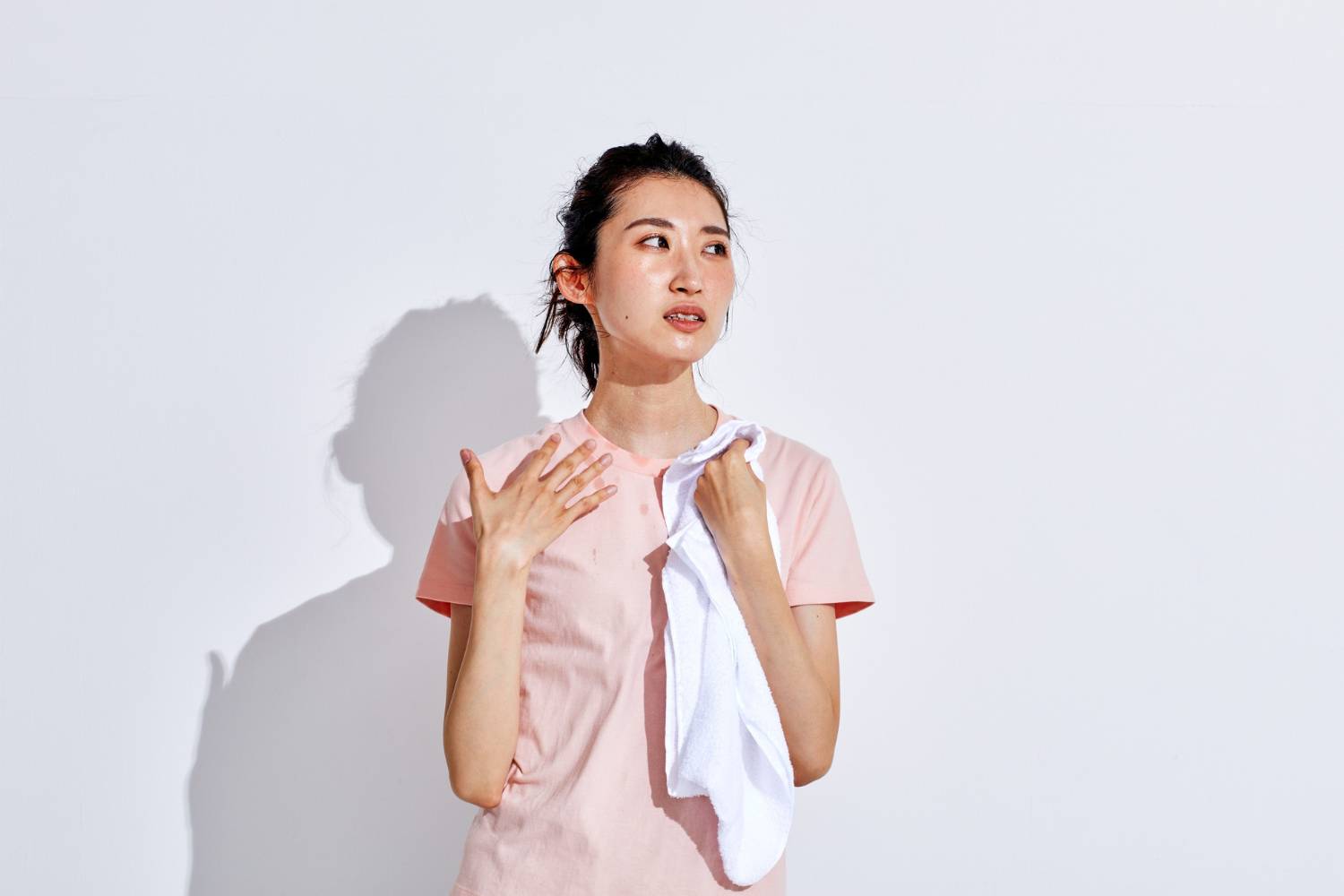
Sweating is normal. But it becomes a real issue when it’s constant, unpredictable, or interferes with daily life. You’re not alone if you’ve tried everything from deodorants to powders and still find yourself sweating through your clothes or avoiding certain situations.
Many Australians experience excessive sweating, also known as hyperhidrosis. Fortunately, there are effective ways to manage it.
This sweat reduction treatment guide breaks down the best clinical treatments and proven methods for sweat control so you can feel confident again without relying on temporary fixes.
Let’s Get Straight To The Point
If you’re experiencing excessive sweating, you’re not alone. Treatments that stop sweating include clinical options like Botox, iontophoresis, prescription products, and, in some cases, surgery.
You can also support results with daily habits. With the right plan, you can finally control sweat in a lasting way.
What Counts as Excessive Sweating?
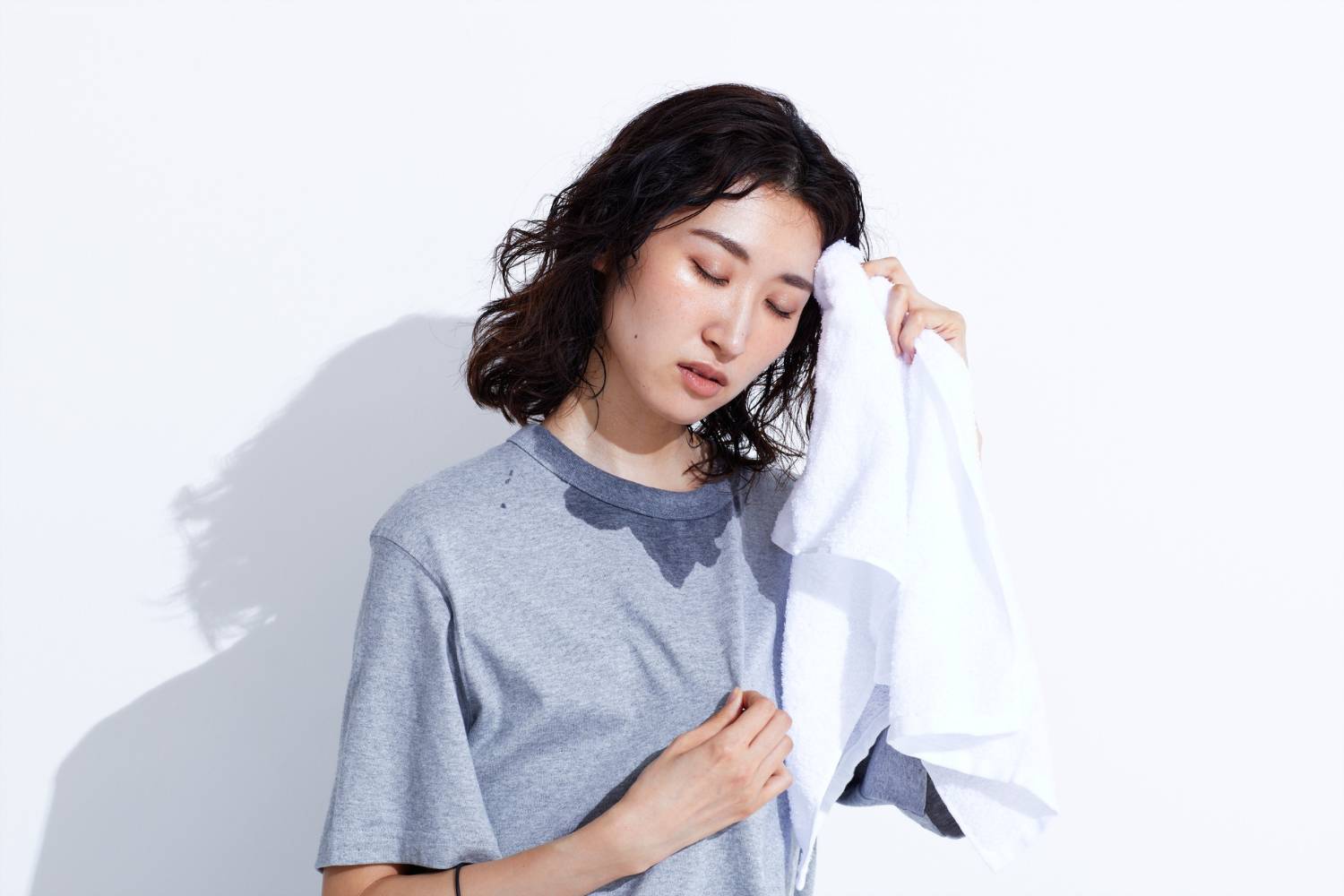
Everyone sweats. But if it happens when you’re not hot, stressed, or active, it might be a medical issue.
Signs of a sweating problem:
- You sweat through your clothes daily
- You avoid social events because of sweat
- You wipe your hands constantly
- Deodorants or home remedies don’t work
- Sweating affects your work or sleep
If this sounds familiar, you’re likely dealing with hyperhidrosis. That means it’s time to explore real sweating problems and solutions, not just over-the-counter sprays.
Why You Sweat Too Much: Common Causes
Knowing how to treat excessive sweating starts with understanding the cause.
There are two main types:
Primary hyperhidrosis
- No known medical cause
- Often starts in childhood or teenage years
- It affects specific areas like hands, feet, underarms, or face
- Maybe genetic
Secondary hyperhidrosis
- Caused by medical conditions or medication
- Usually affects the whole body
- You can start at any age
Possible triggers:
- Hormone imbalances
- Diabetes
- Thyroid issues
- Menopause
- Anxiety
- Certain medications
If sweating is a daily issue, consult a doctor for proper evaluation. That’s the first step toward finding the right sweat control therapy options.
Top Treatments That Stop Sweat and Work
There are a few standout treatments backed by objective medical evidence. Let’s examine them, how they work, and who they’re best for.
Botox Injections
Botulinum toxin is one of the most reliable treatments for localised sweating.
It works by blocking the nerve signals that activate sweat glands. The procedure takes 20–30 minutes and has no downtime.
- Starts working in 3–7 days
- Results last 4–9 months
- Ideal for underarms, hands, feet, or face
This is one of the most popular medical sweat solutions, and it works for people who want quick results and long-term control.
Iontophoresis
This involves placing your hands or feet in the water while a gentle electrical current runs through it.
- Safe and non-invasive
- Used chiefly for hands and feet
- Requires multiple sessions per week
It’s especially helpful for people without success with topical treatments. Many clinics offer this as part of sweat control therapy options.
Prescription Antiperspirants
Stronger than supermarket options, these contain higher levels of aluminium chloride.
- Blocks sweat gland activity
- Usually applied at night
- Works best for mild to moderate symptoms
They’re often a first-line treatment for people not ready for injectables or machines.
Oral Medications
For full-body sweating, doctors may prescribe anticholinergic medications.
- Reduces sweat throughout the body
- Best for people with widespread symptoms
- It may have side effects like dry mouth or blurred vision
Always use under the guidance of a healthcare provider.
Surgery (ETS)
Endoscopic thoracic sympathectomy is a nerve-cutting procedure reserved for the most severe cases.
- Permanent solution
- Invasive and comes with risks
- Considered when all other treatments fail
It’s not a first choice, but it is an option for those seeking help for severe sweating that hasn’t responded to anything else.
Which Treatment Is Right for You?
Choosing the right option depends on a few key things:
- Where you sweat (underarms, hands, feet, face, or full body)
- How often does it happen
- How much does it affect your life
- What you’ve already tried
The best ways to stop sweating based on the area:
- Underarms: Botox, prescription antiperspirants
- Hands/feet: Iontophoresis or Botox
- Face: Botox (in smaller doses)
- Full-body: Oral medication or lifestyle support
Booking a consultation at a clinic can help personalise your plan. Start by searching for clinic treatments for sweat issues near you.
What Happens at a Sweat Treatment Clinic?
A medical clinic doesn’t just give you a product; they create a plan.
Here’s what to expect:
- A full health history review
- Discussion of your sweat patterns and triggers
- Physical exam or tests (sometimes iodine-starch test)
- A clear breakdown of your options and costs
- Guidance on what to expect from each treatment
Clinics also explain how to maintain results, a key part of this sweat reduction treatment guide.
Realistic Timelines: When Will You See Results?
Not every treatment works instantly, and it’s important to know what’s expected.
- Botox: 3–7 days
- Iontophoresis: After a few sessions
- Oral medication: Within a week
- Prescription antiperspirant: After several nights of use
Patience is important. The best results often come with a combination of treatments and habit changes.
Habits That Support Sweat Reduction
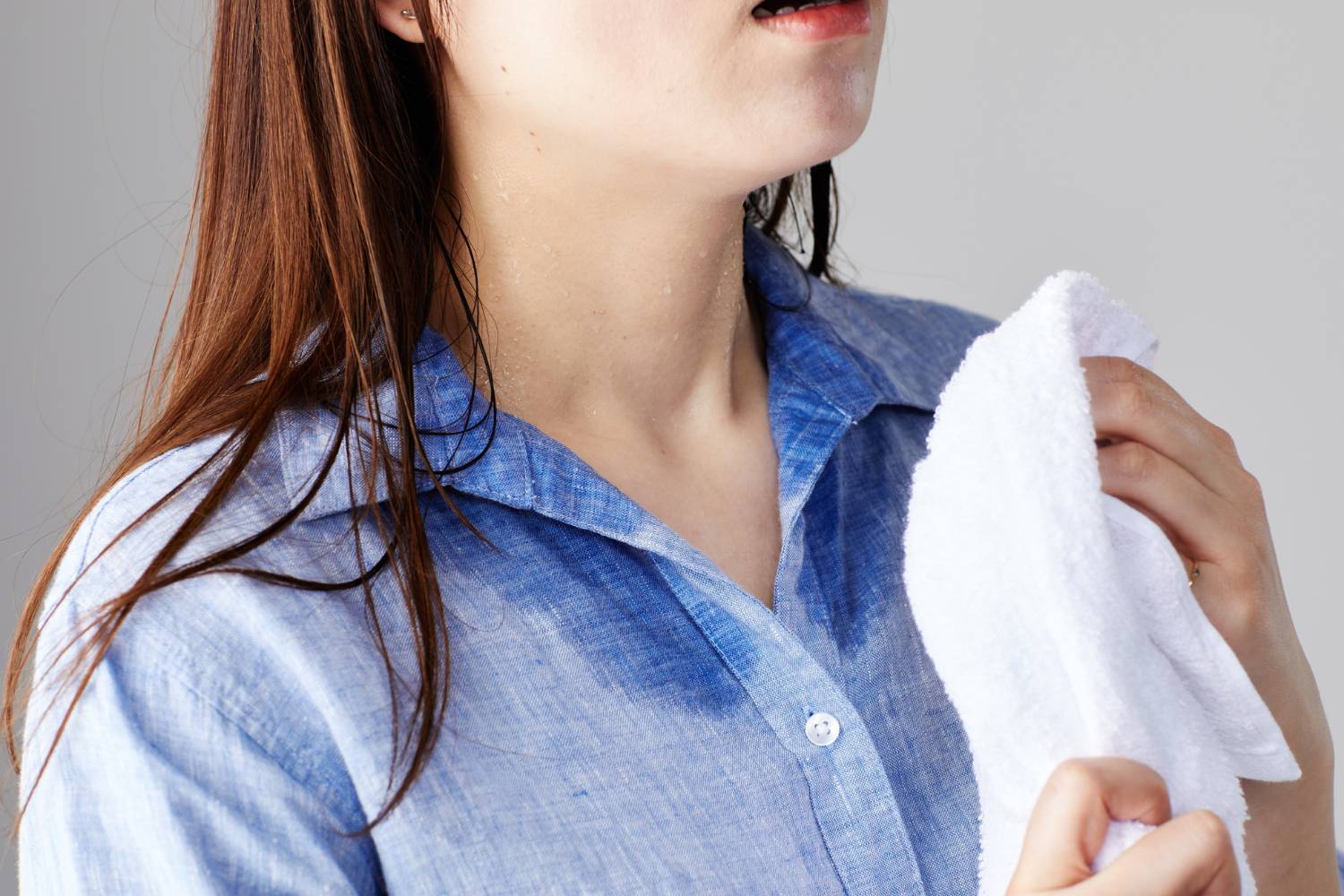
Even if you’re getting treatment, certain habits can help boost results and keep sweating in check.
Simple daily tips:
- Wear loose, breathable clothing
- Use moisture-wicking socks and shirts
- Avoid spicy food and caffeine
- Stay well-hydrated
- Reduce stress with breathing techniques or short walks
- Keep a sweat diary to track triggers
These tips aren’t cures, but they complement clinical treatments well.
What About Natural or At-Home Methods?
Some people prefer to try non-clinical options first.
While results vary, here are a few things that may help mild symptoms:
- Baking soda (absorbs moisture)
- Witch hazel (natural astringent)
- Sage tea (used for its calming effects)
- Apple cider vinegar (tightens pores when used topically)
Just remember, these are not long-term solutions for severe cases. If you’re struggling, seeking professional help for severe sweating is best.
Cost and Access: What Should You Expect to Pay?
Costs depend on the treatment and how often you need it.
Typical price range in Australia:
- Botox: $900 to $1,500 per session
- Iontophoresis (home device): $500–$1,000
- Prescription antiperspirants: $20–$60
- Oral medications: Depends on the prescription
Some treatments may be claimable if a doctor diagnoses your condition. Always ask during your consultation.
Sweating too much is more than a minor annoyance. It affects your confidence, your clothing, and your daily comfort. But with the right approach, you can take control.
Proven methods for sweat control do exist; it’s just about finding the right one for your needs. Reliable treatments exist, whether it’s injections, devices, or lifestyle changes.
You don’t have to tolerate excessive sweating. Talk to a professional and explore your options.
