
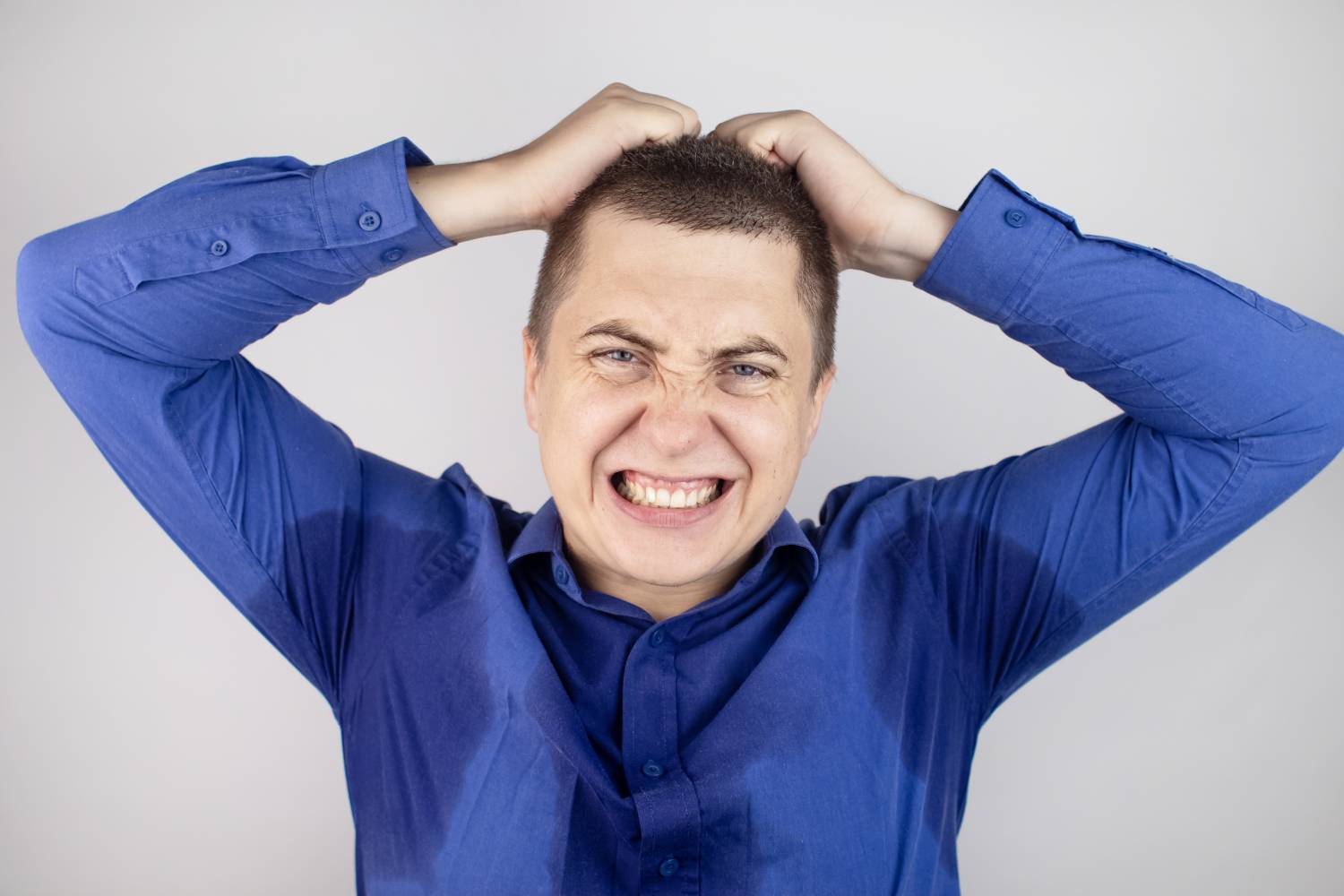
Excessive Sweating Disrupting Life? Here Are Real Fixes
Excessive sweating can frustrate everyday life. Whether it’s soaking through clothes at work or feeling anxious during social situations, it’s more than just a physical issue; it affects how you feel and function.
If sweating hinders your routine, confidence, or comfort, you’re not alone. Many people deal with the daily pressure of managing sweat and the lifestyle issues that result from sweating. The good news? There are real fixes, safe, proven, and available now.
Let’s Get Straight To The Point
Excessive sweating can interrupt work, social events, relationships, and mood. It’s not just a physical issue; it often affects emotional well-being. From clinical treatments to lifestyle fixes, proven solutions offer long-term relief.
You don’t need to live around your sweat anymore. Targeted treatments can help you regain comfort and control with minimal downtime and actual results.

How Sweat Affects Daily Life More Than You Think
Sweating doesn’t just show up on the skin; it seeps into daily habits, work routines, and interactions with others.
People dealing with excess sweat often experience:
- Anxiety over handshakes or wet patches
- Choosing clothes based on what hides sweat
- Carrying spare shirts or tissues
- Avoiding social events or public speaking
These habits aren’t just annoying, they’re emotionally draining. Sweat’s impact on confidence can shape your mood, decision-making, and freedom of living.
Common lifestyle issues from sweating:
- Interrupted sleep due to night sweats
- Limited fashion choices
- Fear of being judged or embarrassed
- Avoiding exercise or outdoor activities
- Feeling constantly uncomfortable in public
Excessive sweating disrupts life in ways that go beyond personal hygiene. It impacts relationships, focus, and overall well-being.
Sweating and Emotional Well-being: The Hidden Side of the Problem
You might think it’s “just sweat,” but the emotional load it carries is real.
People often report:
- Feeling embarrassed in meetings or dates
- Struggling with self-image and low mood
- Becoming isolated from regular social life
Sweating and emotional well-being are tightly linked. The physical symptom fuels emotional stress, increasing sweat, creating a cycle that’s hard to break without help.
For many, just walking into a room brings worry: Will people notice? Will it show through my shirt? These aren’t surface-level concerns; they affect how you live.
Real Treatments That Work for Lifestyle Sweating
There isn’t a one-size-fits-all fix. However, several treatments have been shown to reduce lifestyle sweating issues and help people regain control.
Let’s go through what’s helping people now.
Topical Clinical Antiperspirants
- Stronger than supermarket options
- Contains aluminium chloride for more profound sweat control
- Best used at night for maximum absorption
It is helpful for mild to moderate sweating, especially in the underarms.
Sweat-Blocking Injections
These injections target the nerves that trigger sweat glands.
Best for:
- Underarms
- Palms
- Feet
Benefits:
- It lasts 4–6 months
- Quick procedure
- Noticeable results in under a week
This is a strong treatment for non-surgical control without daily maintenance.
Oral Medications
Some tablets can reduce sweating by calming overactive nerves.
Used for:
- Generalised sweating
- People not suited to local treatments
It may cause side effects like dry mouth or drowsiness. Best discussed with a healthcare provider.
Iontophoresis
A device that uses water and mild electrical current to block sweat temporarily.
Great for:
- Hands
- Feet
Regular sessions are needed, but many find it effective without injections or meds.
Microwave-Based Treatments
It targets and destroys sweat glands in the underarm area permanently.
Pros:
- Long-term solution
- No ongoing maintenance
- Minimal downtime
How to Choose the Right Treatment for Your Lifestyle
Choosing a treatment depends on where you sweat, how much, and what fits your routine.
Ask yourself:
- Do I need something long-term or short-term?
- Can I commit to repeat sessions, or do I prefer one-off treatments?
- Is downtime a factor in my job or lifestyle?
- Am I okay with medication side effects?
Match treatments to lifestyle needs:
- Busy professionals: Injections offer fast, discreet results.
- People on a budget: Clinical antiperspirants can be a starting point.
- For those with palm or foot sweat: Iontophoresis is cost-effective and safe.
- Long-term planners: Device-based treatments offer years of dryness.
Help with Sweating at Work and Social Events
Work stress can already trigger sweat. Add hyperhidrosis, and it becomes a daily challenge.
People often say things like:
- “I can’t shake hands during meetings.”
- “My keyboard gets wet while typing.”
- “I carry a spare shirt every day.”
Here’s how people reduce sweating at work:
- Use clinical antiperspirants overnight
- Keep antiperspirant wipes at your desk
- Wear breathable fabrics like cotton or bamboo
- Choose neutral colours to hide sweat patches
For long-term relief, professional treatments offer sweat control for social comfort and workplace ease.

Why Ignoring Excessive Sweating Can Make Things Worse
Letting sweating problems go untreated doesn’t just mean staying uncomfortable. Over time, it can create more serious physical and emotional issues.
Here’s what can happen if you don’t address it:
- Skin irritation or infections from constant moisture
- Stained clothes and damaged fabrics that cost money over time
- Social withdrawal due to embarrassment or fear of judgment
- Work performance issues, especially in high-contact or high-pressure jobs
- Lowered self-esteem is linked to constant worry about appearance
Excessive sweating lifestyle changes happen slowly and subtly. Many people start adapting their lives around sweat, avoiding social settings, cancelling gym sessions, or choosing jobs that require less interaction.
Long-term effects of untreated sweat issues:
- Daily stress levels rise
- Relationships can suffer from avoidance or insecurity
- People limit their career growth due to the fear of being seen or heard
- Mental health may decline from ongoing shame or frustration
If sweating is starting to impact your life, don’t wait. Early action can stop the cycle, protect your well-being, and give you real options to move forward comfortably.
When Is It Time to See a Specialist?
If sweating is:
- Interfering with your job or relationships
- Making you avoid places, people, or activities
- Causing anxiety or a low mood
- Unresponsive to regular antiperspirants
Then, it’s time to seek professional advice.
A doctor can help you rule out underlying health issues and recommend targeted treatments. You don’t need to handle it alone or guess your way through trial and error.
Lifestyle Tweaks to Support Sweat Treatments
Even with medical help, some daily changes can make a big difference.
Try these:
- Shower with antibacterial soap to control odour
- Avoid spicy food and caffeine if they trigger your sweat
- Choose loose-fitting, breathable clothes
- Use washable pads or liners in high-sweat zones
- Keep a sweat survival kit (shirt, wipes, deodorant) for high-stress days
These small changes help reduce lifestyle sweating issues and support your treatment plan.
Sweating may seem like a minor issue, but for many people, it shapes their lives. From avoiding social settings to feeling anxious at work, excessive sweating disrupts life in more ways than one. Thankfully, there are real fixes available that go beyond deodorant.
The right solution, whether injections, medications, or devices, is available. With a few changes in your routine, you can feel confident and comfortable again without sweat dictating your life.
