How To Prep For Laser Hair Removal Effectively For Sensitive Skin?
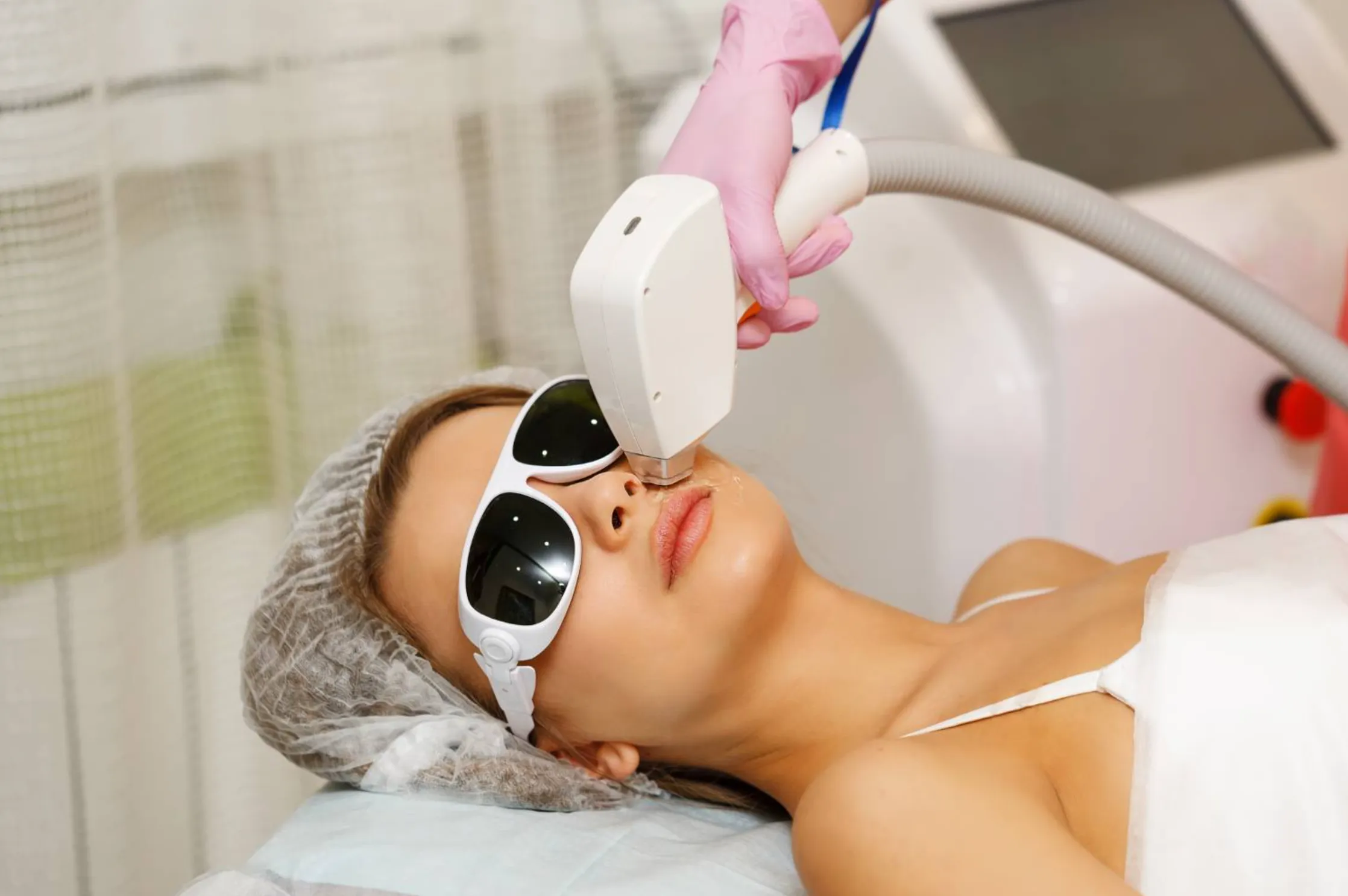
If you’ve got sensitive skin, the thought of laser hair removal might feel a bit daunting. I get it—laser treatments are often associated with redness, irritation, and discomfort. But here’s the good news: with the right prep and a few simple adjustments to your skincare routine, laser hair removal can be not only safe but also remarkably effective for sensitive skin.
As someone who’s worked closely with clients over the years, I’ve seen firsthand how important it is to properly prepare your skin before treatment. From making sure the skin is in tip-top shape to understanding which products to avoid, getting your skin ready can make all the difference in how well your treatment goes and how your skin feels afterwards.
In this guide, I’m going to share with you everything I’ve learned—from the best pre-treatment tips to what to do on the day of your session, and of course, how to care for your skin after the treatment. You’ll be feeling confident and ready to step into your treatment with skin that’s primed and prepped to look and feel its best!
Why Proper Prep Is Crucial For Laser Hair Removal On Sensitive Skin?
Laser hair removal is an excellent option for those looking to say goodbye to unwanted hair, but when you have sensitive skin, preparation is key. I’ve had the pleasure of helping many clients with sensitive skin achieve smooth, hair-free results, and I can tell you that getting the prep right makes all the difference.
From my personal experience, one of the most common issues I see with sensitive skin is irritation. If you don’t take the necessary steps before the treatment, the risk of redness, bumps, and even burns increases. That’s why understanding what to do and when to do it can set you up for a much more comfortable and effective experience.
How Laser Hair Removal Works For Sensitive Skin?
For those with sensitive skin, laser hair removal might seem like a daunting option. You may have concerns about irritation or a reaction to the treatment. However, let me tell you, laser hair removal can actually be gentler on sensitive skin compared to traditional methods like waxing or shaving. Here’s why:
The laser targets the hair follicle, breaking it down so it can no longer grow hair. The light energy from the laser focuses on pigment in the hair, meaning it doesn’t interfere too much with the surrounding skin. It’s not a one-size-fits-all, though—everyone’s skin and hair type are different, and that’s why preparation is so important.
In my practice, I’ve seen that with the right preparation, sensitive skin often handles laser hair removal beautifully. The key is working with a practitioner who understands sensitive skin and customises the treatment to suit your needs. For example, before starting a treatment plan, we always have a detailed consultation. We discuss your skin type, lifestyle factors (like sun exposure), and any prior skin reactions to ensure we can tailor the treatment settings just for you.
Key Benefits Of Laser Hair Removal For Sensitive Skin
- Less irritation than waxing: I’ve worked with many clients who found waxing to be far too harsh for their skin. Laser hair removal, on the other hand, is often less painful and much less irritating for sensitive skin types.
- Long-lasting results: Unlike shaving, which only gives temporary relief, laser hair removal targets the hair at the follicle, meaning results are permanent after a few sessions. For those with sensitive skin, this means less frequent treatments and fewer chances for irritation.
- No more ingrown hairs: One of the most common issues clients with sensitive skin face is ingrown hairs. Laser hair removal reduces the risk of these pesky irritations, leaving skin smooth and clear.
Essential Pre-Treatment Steps For Sensitive Skin
Consultation And Patch Testing: The First Steps To Safe Treatment
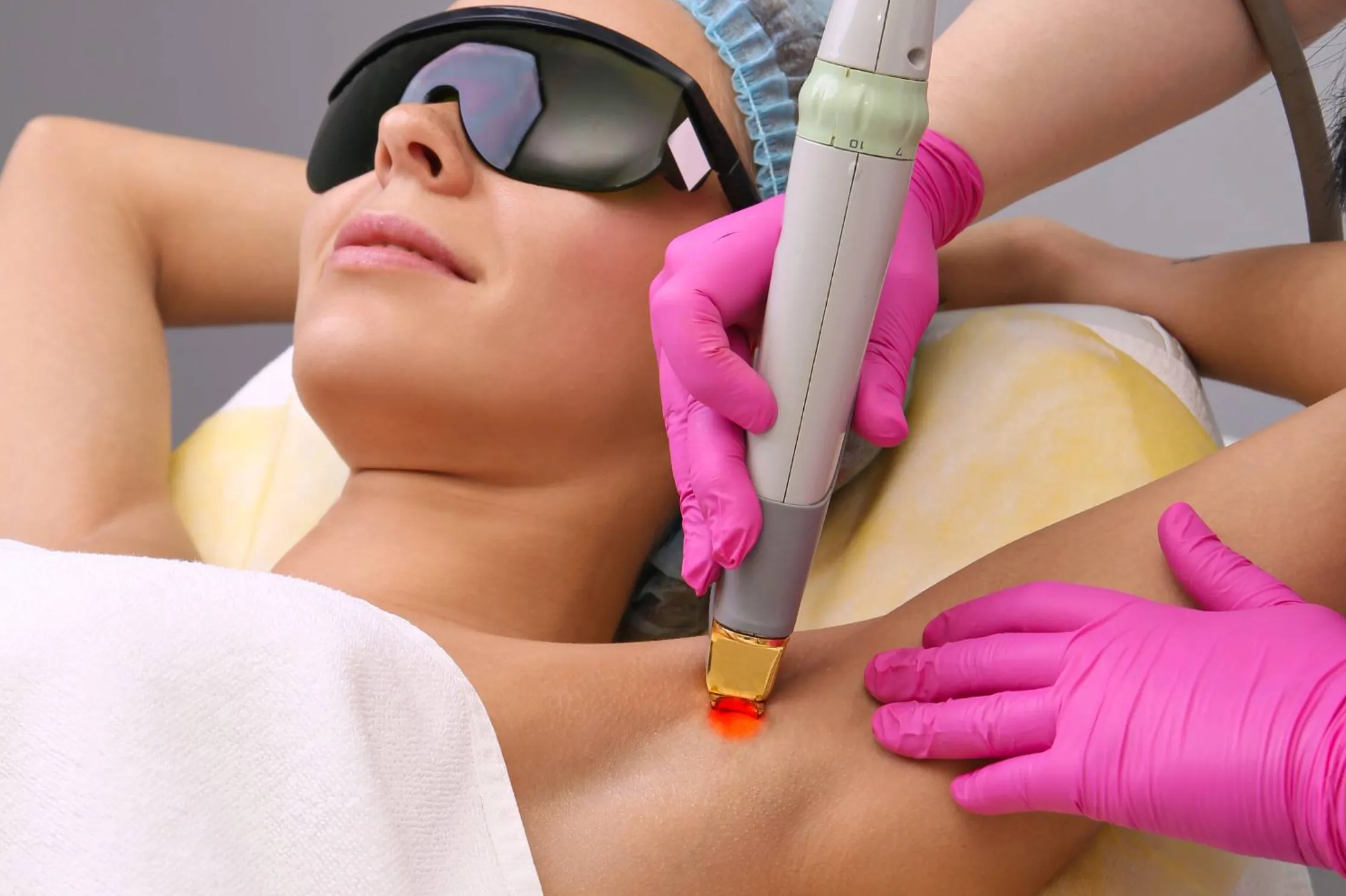
A proper consultation and patch test should always come before your first laser treatment, especially if you have sensitive skin. I can’t emphasise this enough. During my own first treatment, I made the mistake of skipping a patch test because I was in a rush—big mistake. It led to some unexpected redness and discomfort. Now, I always ensure my clients do a patch test, especially if their skin tends to react.
The patch test is crucial because it allows your practitioner to assess how your skin will respond to the laser settings. It’s like a trial run—just on a small, discrete area. By testing the laser on a small section of your skin, we can adjust the intensity to find the perfect balance between effectiveness and comfort.
Here’s a helpful timeline:
- Week 1: Schedule your consultation and patch test. A professional will assess your skin’s sensitivity, hair type, and any pre-existing skin conditions.
- 24-48 hours after the test: Wait to see how your skin reacts. If there is no excessive redness or irritation, you’re good to go. If there is irritation, you may need a different setting or wait until your skin has fully recovered before proceeding.
I always recommend that clients make this a priority. It’s not only safer but also saves time and money in the long run.
Avoiding Sun Exposure: A Must For Sensitive Skin
Sensitive skin and the sun are not the best of friends, especially when you’re preparing for laser hair removal. One of the biggest mistakes people make is not protecting their skin from the sun before the treatment.
I had a client once who, despite my advice, spent the week before her session on the beach under the harsh summer sun. The day of her treatment, her skin was sunburned, and the procedure was uncomfortable for her, leading to unexpected redness and irritation that lasted for days. If she’d followed the advice to avoid direct sun exposure for at least 2-4 weeks beforehand, this could have been easily avoided.
Here’s why avoiding sun exposure is critical:
- Sunburned skin makes laser hair removal more painful and can increase the risk of pigmentation changes or burns.
- Increased pigmentation from tanning can cause the skin to react negatively to the laser.
The Sun Safety Checklist For Laser Hair Removal
- Avoid direct sun exposure for 2-4 weeks before your session.
- If you do go outside, apply SPF 30 or higher on the treated area.
- Avoid tanning beds and self-tanners at least 4 weeks before your treatment.
Being proactive about sun protection is one of the simplest ways to ensure a smooth and successful treatment, especially for sensitive skin.
What To Avoid In The Weeks Leading Up To Your Treatment?
Skip Retinoids And Exfoliating Acids For Smooth Skin
When you have sensitive skin, some common skincare ingredients can make your skin more prone to irritation, especially when preparing for laser hair removal. From personal experience, I can tell you that one of the most common culprits for skin sensitivity is retinoids. I’ve worked with clients who didn’t realise how much their skincare routine, particularly the use of retinol or exfoliating acids, could affect their treatment. One of my clients once used a potent retinol serum the night before their session. Not only did this cause increased sensitivity during the treatment, but their skin also took longer to heal afterwards.
Here’s the deal: retinoids (like tretinoin, Retin-A, or even over-the-counter retinol) and exfoliating acids (such as AHAs, BHAs, or glycolic acid) encourage cell turnover and can thin the skin’s outer layer, making it more fragile and sensitive to the laser.
Tip: For sensitive skin, it’s best to stop using these ingredients at least one week before your session. For stronger prescription retinoids or acids, two weeks before is ideal. If you’re using products like glycolic or salicylic acid, make sure to pause them well in advance to avoid any surprises during your treatment.
Timeline for Discontinuing Skin Actives:
- 1 week prior: Cease using OTC retinoids, AHAs, and BHAs.
- 2-4 weeks prior: If you’re on prescription-strength retinoids, stop using them for at least two weeks before the treatment.
When you stop using these products early enough, it ensures your skin isn’t too compromised and that the laser can target the hair follicles effectively without increasing the risk of irritation or pigmentation changes.
Say No To Chemical Peels And Other Harsh Treatments
Sensitive skin can be especially vulnerable to chemical peels, microdermabrasion, and similar skin treatments. I’ve had clients tell me they’ve had these procedures just days before their laser hair removal session, and then suffered from red, irritated skin. These treatments often leave the skin more delicate and prone to irritation, making the laser’s effect harsher on the skin.
If you’ve recently undergone a chemical peel or microdermabrasion, I strongly recommend waiting at least two weeks before your laser session to allow your skin to heal properly. This time gives your skin the chance to recover from any microtears or exfoliation and ensures it’s in the best possible condition for the laser treatment.
How To Prepare Your Skin With Proper Hydration?
Keeping your skin hydrated is a simple yet powerful step when preparing for laser hair removal, especially if your skin is sensitive. I’ve noticed that when clients are well-hydrated, their skin handles the laser much better, with less redness and discomfort. A hydrated skin barrier is essential for preventing irritation.
One of my regular clients swears by drinking plenty of water in the days leading up to her laser appointments. Not only does it hydrate her skin, but it also helps improve the overall health of her skin, making it less prone to reactions. She also moisturises religiously with a gentle, fragrance-free moisturiser, which helps keep her skin soft and protected.
The Right Way To Shave Before Laser Hair Removal
Here’s the golden rule: Shave the treatment area – don’t wax, pluck, or thread. I’ve had clients come in with all sorts of questions about hair removal before their sessions, from shaving the day of their treatment to thinking that waxing is a good idea. Let’s clear this up once and for all: shaving is the only method you should use between laser sessions. Why? Because shaving leaves the hair follicle intact, which is what the laser targets. Waxing, plucking, or threading removes the hair root, and without that root, the laser has nothing to focus on.
Now, how and when should you shave? I recommend shaving 12-48 hours before your laser session. Shaving the night before tends to work perfectly for most of my clients – it allows the skin to calm down and any minor irritation from the shave to subside before treatment. On the other hand, if you shave too close to your appointment, you might cause some irritation that could make your skin more sensitive during the treatment. That’s a recipe for discomfort, and nobody wants that.
One of the things I always tell my clients is to go slow and be gentle with their skin. Sensitive skin doesn’t need any harsh treatments or fast, rough shaving. Use a sharp razor and a soothing shaving cream, and take your time. I’ve had clients in the past rush the shave, only to come to their appointment with tiny nicks or redness from shaving too aggressively. That’s not the kind of prep you want to do before laser hair removal!
The Day Of Your Treatment: Final Tips For Sensitive Skin
Clean And Clear: Preparing Your Skin On Treatment Day
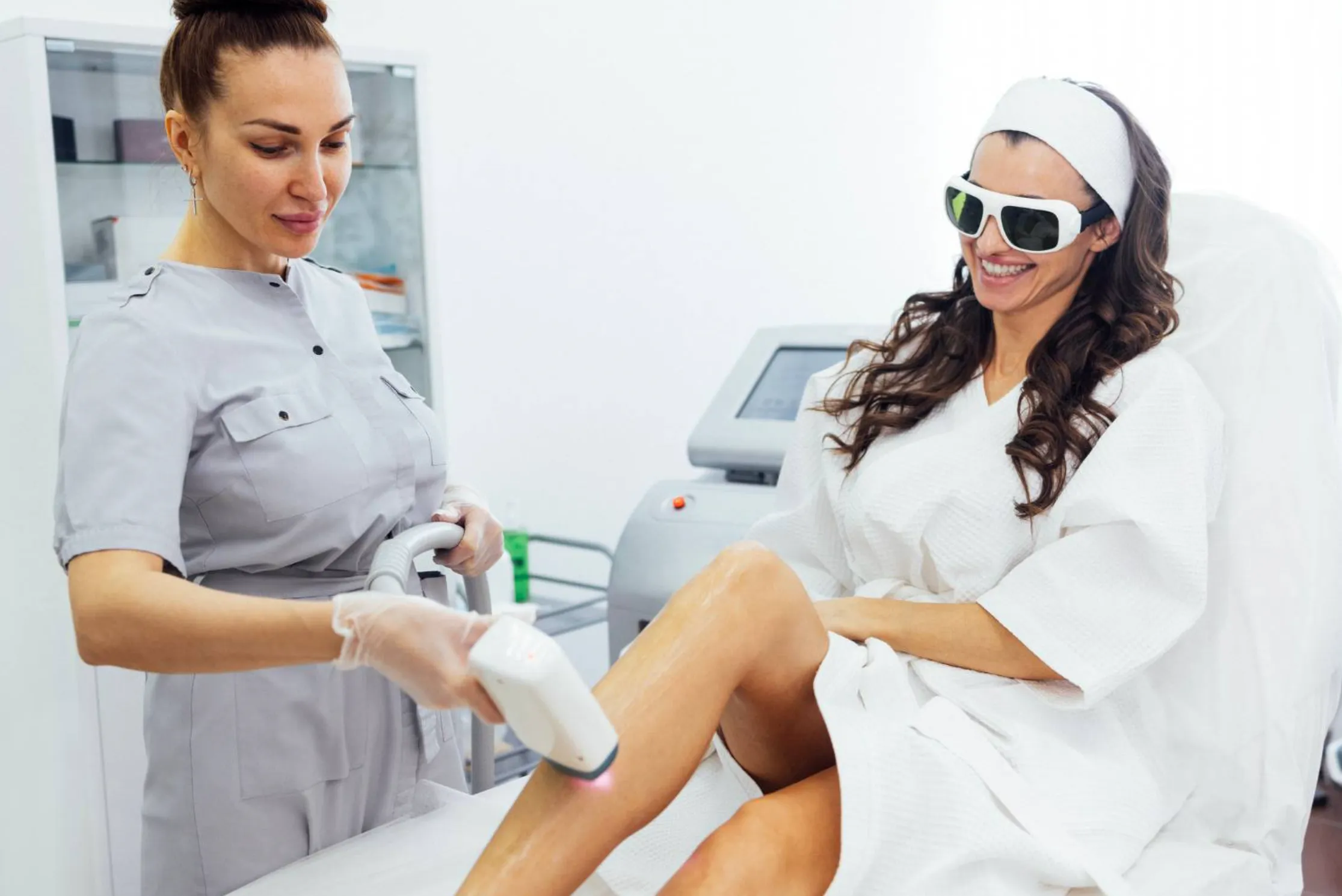
One of the simplest yet most important steps before your laser hair removal treatment is making sure your skin is clean and free from any lotions, oils, or makeup. On the day of my first laser hair removal session, I made the mistake of forgetting to properly cleanse my skin. It led to a little more discomfort than necessary, as the laser had to work through my makeup and moisturiser.
So, take a few minutes to use a gentle, fragrance-free cleanser before you head to your appointment. This will ensure that your skin is in the best possible condition to receive the laser energy, and it helps avoid any unnecessary irritation.
Tip: Avoid using perfumed products or alcohol-based skincare items the day of the treatment, as they can make your skin more sensitive.
Comfortable Clothing For A Smooth Session
Laser hair removal can cause a bit of heat and slight discomfort in the treated areas, so it’s best to wear loose, breathable clothing. This is especially important for areas like the underarms, bikini line, or legs, which are more likely to be sensitive. I always recommend that my clients wear cotton or other natural fabrics to ensure they stay comfortable both during and after the session.
When you wear breathable fabrics, your skin can cool down faster post-treatment, which helps reduce irritation and redness. Plus, you won’t have any tight clothing rubbing against your freshly treated skin, which could cause unnecessary discomfort.
Avoiding Heat And Sweating: Why It Matters?
It’s tempting to go for a post-treatment workout or to hit the sauna, but this can aggravate your sensitive skin. One of my clients learned this the hard way when they had a session and then went for a run immediately after. The sweating, combined with the irritation from the laser, made her skin much more sensitive than it needed to be.
On the day of your treatment, avoid activities that can cause excessive heat or sweating, such as hot showers, saunas, or intense exercise. Give your skin the chance to cool down and recover, which will make your post-treatment experience much more comfortable.
Aftercare For Sensitive Skin: Protect Your Skin Post-Treatment
How To Soothe Your Skin After Laser Hair Removal?
The treatment itself is only half the battle—proper aftercare is just as crucial, especially when it comes to sensitive skin. From my own experience, I’ve found that taking good care of your skin after a laser session can greatly reduce discomfort and help speed up the healing process. Sensitive skin requires extra care to avoid irritation and promote healing, so it’s important to follow a few key guidelines.
I always advise clients to keep their skin cool and moisturised post-treatment. This will help soothe the skin and reduce any redness or inflammation. A gentle, fragrance-free moisturiser is perfect for this purpose. When I had my first treatment, I made sure to apply aloe vera gel, which is well-known for its cooling and healing properties. I found that it not only helped calm the redness but also prevented my skin from drying out.
Another thing I recommend is cold compresses. Applying a cold compress to the treated areas for 10-15 minutes at a time can help reduce swelling and discomfort, particularly in more sensitive areas like the bikini line or underarms. But, remember to never place ice directly on your skin—wrap it in a soft cloth first!
What To Avoid In The Days Following Your Laser Treatment?
After laser hair removal, there are a few things you’ll want to avoid to give your skin the best chance to heal properly. I’ve worked with many clients who were eager to go back to their usual skincare or activities, only to end up with red, irritated skin. Trust me—patience pays off!
Here’s a quick guide on what to avoid after your session:
- No Sun Exposure: I can’t stress this enough. Sensitive skin is especially vulnerable to UV damage after laser hair removal. If you’re heading outdoors, be sure to wear a broad-spectrum sunscreen with SPF 30 or higher. This will not only protect your skin but also prevent hyperpigmentation (dark spots) from developing. Keep your treated areas covered with clothing if you can.
- Avoid Hot Showers and Saunas: These can cause your skin to overheat and exacerbate any redness or irritation. Stick to lukewarm water for your showers for at least 48 hours after your treatment.
- No Scratching or Picking: Your skin may feel a little itchy after laser hair removal, especially during the healing process. While it’s tempting to scratch, it’s important to resist the urge. Scratching can lead to scarring or skin irritation, which can interfere with the healing process.
- No Tight Clothing: After treatment, wear loose, breathable clothes—especially in areas like the bikini line or underarms. Tight clothing can rub against freshly treated skin, causing irritation.
By following these simple aftercare steps, you’ll help your skin recover faster and keep it looking smooth and healthy.
Laser hair removal can be a game-changer for those with sensitive skin, offering a long-lasting solution without the irritation that comes with other hair removal methods. By following the right prep steps, being mindful of post-treatment care, and working with an experienced practitioner, you can achieve smooth, hair-free skin while minimising discomfort and skin sensitivity.
If you’re ready to give it a go, remember: the key is to consult with a professional, take care of your skin, and be patient throughout the process. With the right approach, laser hair removal for sensitive skin can be an incredibly rewarding experience.