Acne Scar Treatments Ranked: From Mildest to Most Effective
Acne can leave more than breakouts behind. For many people, the scars are the hardest part to move past. We regularly see clients across Seaford, Frankston, and the Mornington Peninsula who feel confident once their acne settles, only to become frustrated by the uneven texture or dark marks left behind.
The good news is that acne scars can improve significantly with the right treatment plan. The challenge is knowing which treatment actually suits your skin. Some scars respond well to skincare and gentle resurfacing. Others need advanced collagen stimulation or surgical-style procedures.
Here is a realistic guide to acne scar treatments ranked from the mildest through to the most effective.
Why Some Acne Scars Fade While Others Stay for Years
The Difference Between Acne Marks and True Acne Scars
One of the biggest misunderstandings we see in clinic is confusing acne marks with true acne scars.
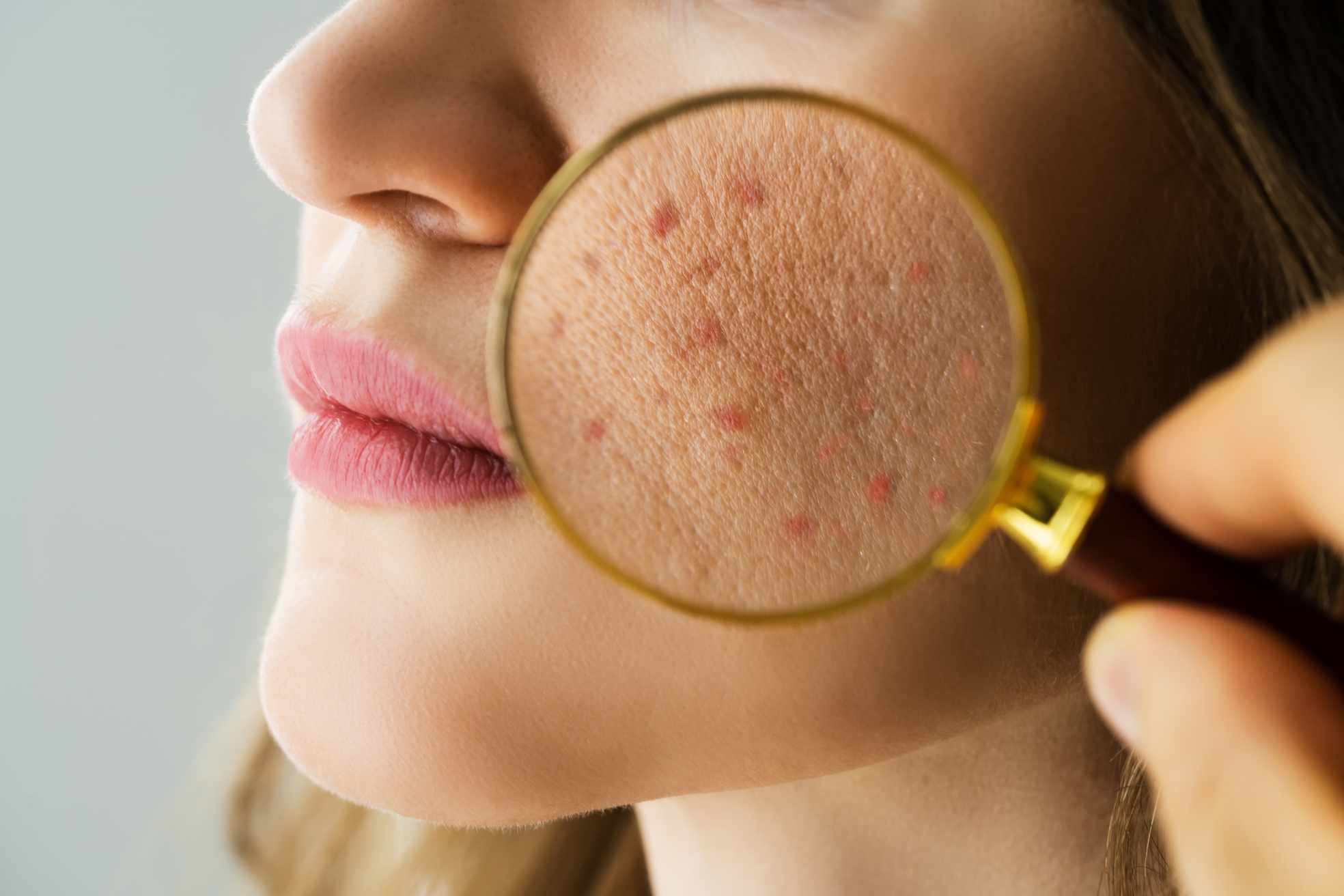
Flat red or brown marks are usually post-inflammatory hyperpigmentation. These affect skin colour, not texture. True acne scars change the surface of the skin itself.
| Concern | Appearance | Common Cause | Best Treatment |
| Pigmentation | Flat red or brown marks | Inflammation | Peels, skincare |
| Ice Pick Scars | Deep narrow holes | Severe acne | TCA CROSS |
| Rolling Scars | Wavy depressions | Fibrous scar tissue | Subcision |
| Boxcar Scars | Sharp-edged dents | Collagen loss | RF microneedling |
| Keloid Scars | Raised thick scars | Excess collagen | Steroid injections |
A client once told us she spent two years buying “scar creams” online before learning her issue was actually pigmentation, not scarring. Once we adjusted her treatment plan, her skin improved within months.
Why Acne Scars Form
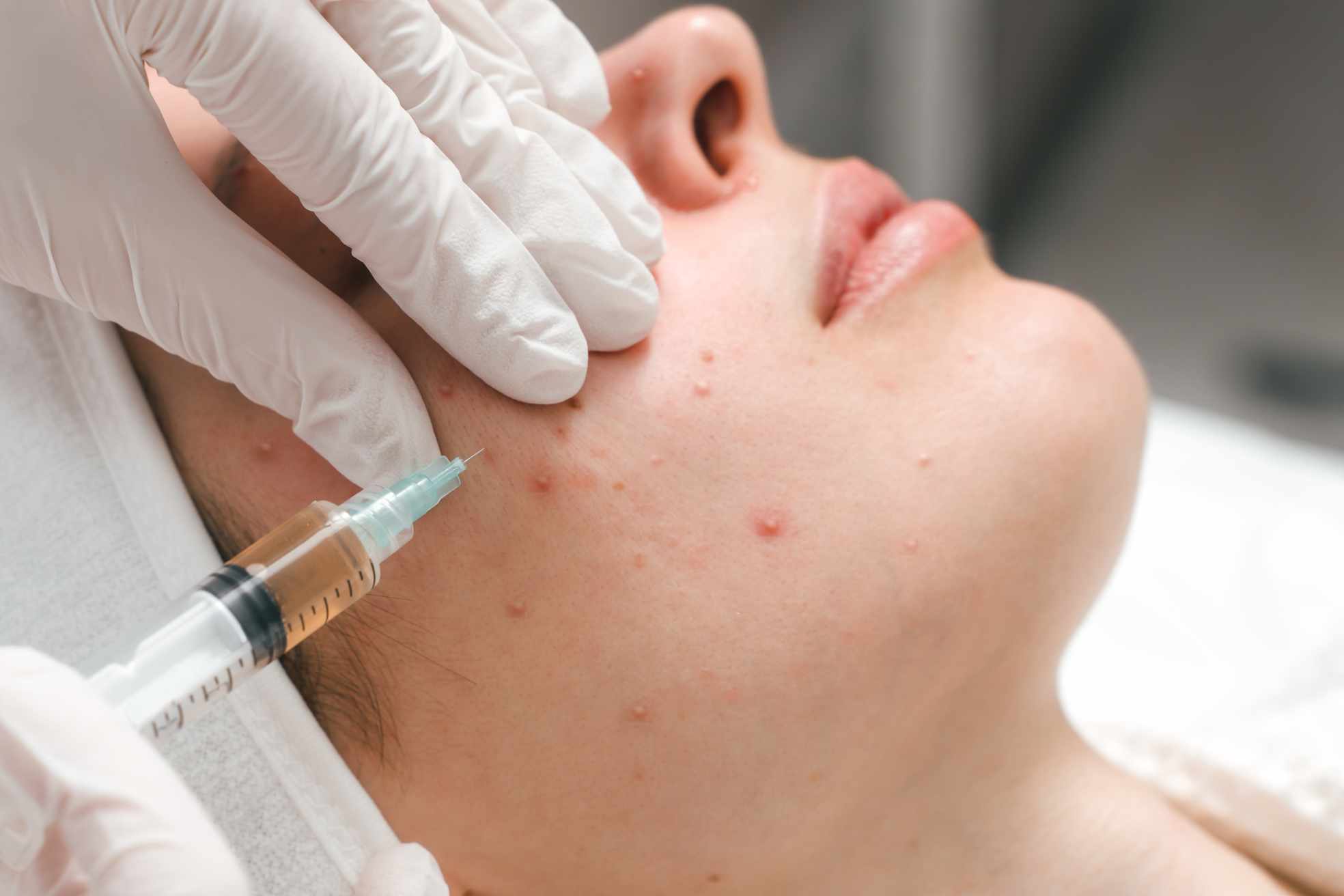
Acne scars form when inflammation damages collagen deep within the skin. Severe cystic acne causes the highest risk, especially when pimples are squeezed or picked.
Australian weather can also play a role. Strong UV exposure across Victoria often darkens post-acne marks and slows healing. We see this every summer when clients spend weekends outdoors without proper SPF protection.
Why One Treatment Rarely Works Alone
Most people do not have one scar type. They usually have a combination.
For example:
- Rolling scars on the cheeks
- Ice pick scars near the temples
- Pigmentation across the jawline
That is why combination treatment plans often produce the best results. It is not a magic wand overnight. It is more like building a house brick by brick.
Mild Acne Scar Treatments You Can Start at Home
Retinoids for Texture and Skin Renewal
Retinoids remain one of the best starting points for mild acne scarring and pigmentation.
These vitamin A derivatives:
- Increase skin cell turnover
- Encourage collagen production
- Improve uneven texture
- Help fade post-acne marks
Results take patience. Most people need at least 3 to 6 months before noticing visible improvement.
A common mistake is using retinol too aggressively. We often meet clients who “went hard” for two weeks, damaged their skin barrier, then stopped altogether.
Slow and steady wins the race.
Vitamin C, AHAs and Azelaic Acid
These ingredients work best for pigmentation and dull skin.
| Ingredient | Best For |
| Vitamin C | Brightening dark marks |
| Salicylic Acid | Oily acne-prone skin |
| Glycolic Acid | Surface texture |
| Azelaic Acid | Redness and pigmentation |
A simple skincare routine often works better than layering ten products together.
Why SPF Matters More Than Most People Realise
If there is one product we constantly repeat in clinic, it is sunscreen.
Without daily SPF:
- Pigmentation darkens
- Healing slows
- Inflammation lingers longer
Melbourne UV levels can stay high even during cooler months. A broad-spectrum SPF 30 or higher is essential year-round.
As we often tell clients, there is no point investing in treatments if the sun keeps undoing the progress.
Professional Surface Treatments for Mild Acne Scars
Microdermabrasion for Early Texture Changes
Microdermabrasion gently removes dead surface skin cells to improve brightness and mild roughness.
It works best for:
- Early textural changes
- Dull skin
- Mild pigmentation
It will not fix deep acne scars, but it can help skin look smoother and fresher.
Downtime is minimal. Most people return to work the same day.
Chemical Peels for Pigmentation and Shallow Scars
Chemical peels remain popular because they target several concerns at once.
Different peels suit different skin types:
- Salicylic acid for oily acne-prone skin
- Glycolic acid for dull texture
- TCA peels for deeper resurfacing
A client from Frankston recently described her first peel as “finally hitting the reset button” after years of congestion and uneven tone.
Recovery depends on peel strength:
- Light peels: 1–3 days
- Medium peels: up to 7 days
When Surface Treatments Stop Being Enough
Once scars become deep or tethered, surface exfoliation reaches its limit.
That is where collagen-stimulating treatments become far more effective.
Collagen-Stimulating Treatments for Deeper Acne Scars
Microneedling for Rolling and Boxcar Scars
Microneedling creates controlled micro-injuries that trigger collagen repair.
It works particularly well for:
- Rolling scars
- Mild boxcar scars
- Overall texture improvement
Many clients notice:
- Smoother skin texture
- Softer acne scars
- Better makeup application
Recovery usually lasts 1 to 3 days with mild redness.
RF Microneedling for Stronger Collagen Remodelling
RF microneedling takes traditional microneedling further by adding heat energy beneath the skin.
At Cosmetic Aesthetics Victoria, this treatment is often one of the best options for clients wanting:
- Acne scar improvement
- Skin tightening
- Reduced downtime
The heat stimulates deeper collagen remodelling while keeping the skin surface relatively intact.
For many clients, this treatment hits the sweet spot between results and recovery time.
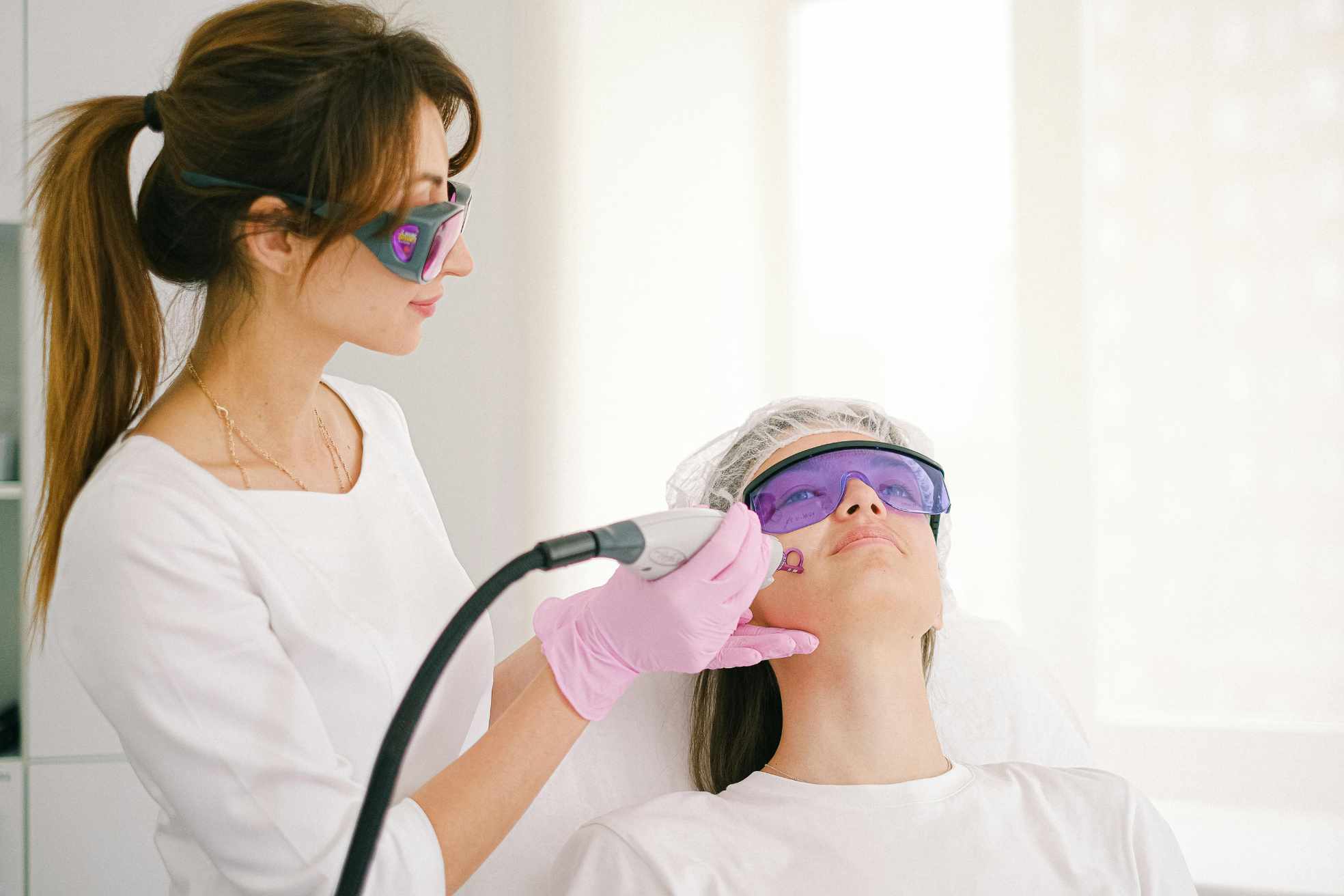
Fractional Laser Treatments for Texture Refinement
Non-ablative fractional lasers improve texture without fully removing the skin surface.
Treatment usually follows this process:
- Skin consultation
- Preparation period
- Laser session
- Healing phase
- Gradual collagen rebuilding
Results improve progressively over several months as collagen develops.
Advanced Acne Scar Treatments for Severe Scarring
CO2 Laser Resurfacing for Deep Scar Revision
CO2 laser resurfacing remains one of the strongest non-surgical options available.
The treatment removes damaged skin layers while heating deeper tissue to stimulate collagen rebuilding.
It can significantly improve:
- Deep boxcar scars
- Severe texture irregularities
- Long-term acne scarring
Recovery is more intense:
- Redness
- Swelling
- Peeling
- 1–2 weeks downtime
This is not the sort of treatment you book before a wedding next weekend.
Dermal Fillers for Immediate Scar Lifting
Some depressed scars respond well to dermal fillers placed beneath the skin.
Fillers can:
- Lift indented scars instantly
- Improve overall smoothness
- Break up scar tissue gradually
Results vary depending on filler type.
| Treatment | Downtime | Best For |
| Microneedling | 1–3 days | Mild-moderate scars |
| RF Microneedling | 1–3 days | Texture + tightening |
| CO2 Laser | 1–2 weeks | Severe scars |
| Chemical Peels | 3–7 days | Pigmentation |
| Fillers | 1–2 days | Depressed scars |
The Most Effective Treatments for Deep Acne Scars
Why Subcision Is the Gold Standard for Rolling Scars
Subcision works by releasing the fibrous bands pulling scars downward.
A specialised needle breaks these bands beneath the skin, allowing the surface to lift naturally.
This treatment is particularly effective for:
- Deep rolling scars
- Tethered scars
- Uneven cheek texture
Bruising is common for several days afterwards, but results can be impressive.
TCA CROSS for Ice Pick Scars
Ice pick scars are notoriously difficult to treat because they are so narrow and deep.
TCA CROSS places concentrated acid directly into each scar to stimulate rebuilding from within.
Most clients require:
- Multiple sessions
- Gradual improvement
- Careful aftercare
It sounds intense because, frankly, it is. But for deep ice pick scars, few treatments work better.
Punch Excision for Isolated Severe Scars
Some scars simply do not respond to resurfacing.
Punch excision surgically removes the scar entirely before closing the skin carefully.
This treatment is usually reserved for:
- Very deep scars
- Small isolated scars
- Resistant boxcar scars
Steroid Injections for Raised Keloid Scars
Raised scars require a completely different approach.
Steroid injections help:
- Flatten raised scars
- Reduce inflammation
- Soften thick scar tissue
Aggressive resurfacing can sometimes worsen keloids, so professional assessment matters enormously here.
How Dermatologists Build Combination Acne Scar Treatment Plans
Why Combination Treatments Work Best
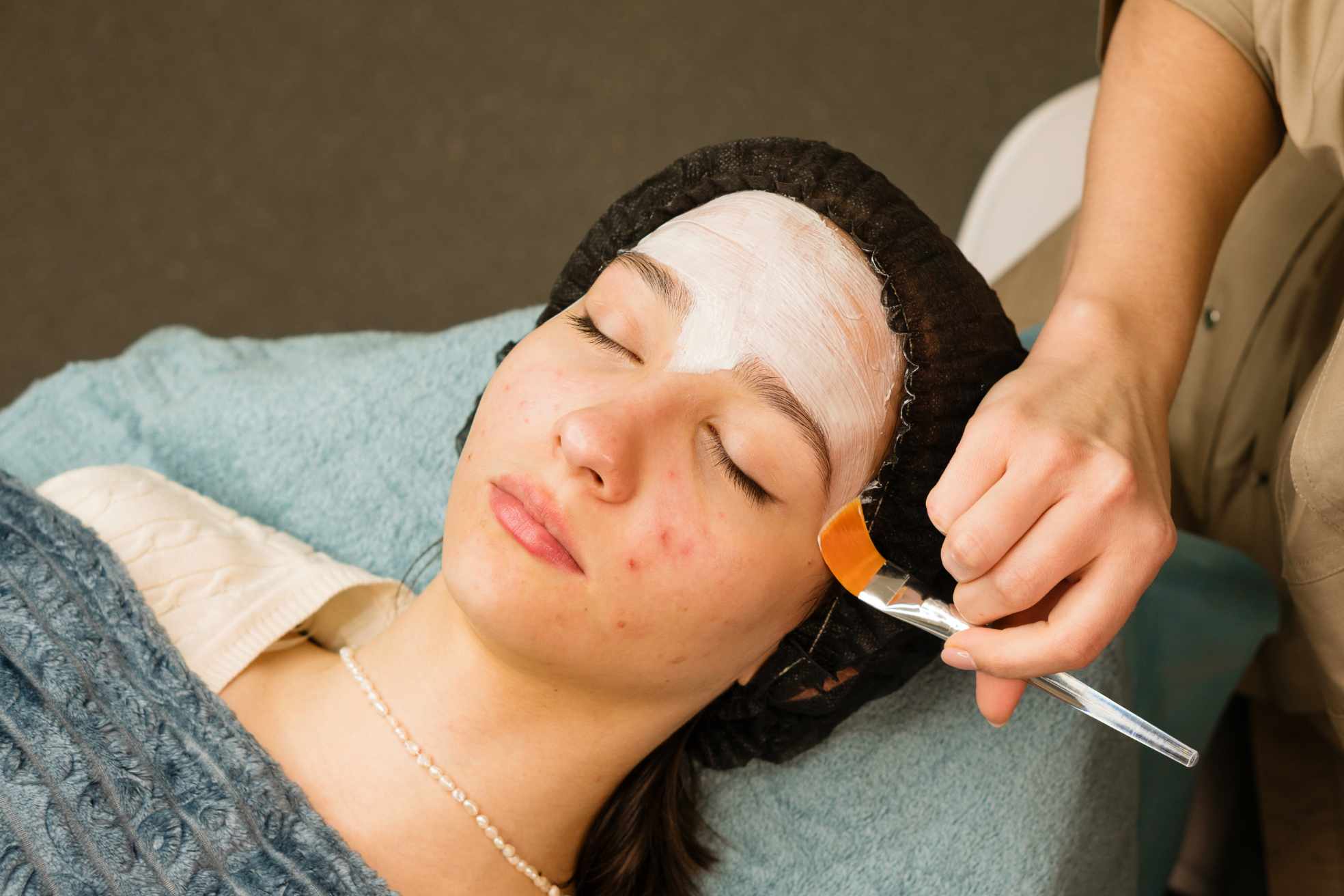
The best acne scar results usually come from layering treatments together.
A treatment plan may include:
- TCA CROSS for ice pick scars
- Subcision for rolling scars
- RF microneedling for overall texture
- Peels for pigmentation
This staged approach often produces more natural-looking improvement.
Questions Worth Asking Before Starting Treatment
Before committing to acne scar treatment, ask:
- How many sessions will I need?
- What downtime should I expect?
- Is this suitable for my skin tone?
- What risks should I know about?
- What results are realistic?
Good practitioners will answer honestly instead of promising perfect skin overnight.
Acne scars can feel stubborn, but there are now more treatment options than ever before. From gentle skincare through to advanced scar revision procedures, the right approach depends entirely on your scar type, skin condition, and long-term goals.
At Cosmetic Aesthetics Victoria, we believe natural improvement comes from personalised treatment planning, realistic expectations, and safe clinical care. Every face tells a different story. The goal is not perfection. The goal is helping you feel comfortable and confident in your skin again.
