Chemical Peels vs Laser Resurfacing: A Side-by-Side Guide
When clients visit our clinic in Seaford, one question comes up again and again: “Should I choose a chemical peel or laser resurfacing?”
The truth is, there is no one-size-fits-all answer. I have seen clients with stubborn acne scarring achieve life-changing results from fractional laser treatments, while others with pigmentation and dull skin saw brighter, calmer skin after a series of gentle peels. Horses for courses, as we say in Australia.
Both treatments improve skin texture and stimulate collagen. Still, they work differently, involve different recovery times, and suit different skin concerns. Understanding those differences can save you time, money, and frustration.
Why Chemical Peels and Laser Resurfacing Are Often Compared
Both Treatments Remove Damaged Skin — But They Use Different Technology
Chemical peels and laser resurfacing both create controlled damage to the skin. That sounds dramatic, but controlled skin renewal is exactly what encourages fresh collagen growth and smoother skin.
Chemical peels use acids such as glycolic acid, salicylic acid, or TCA to exfoliate the skin. The solution dissolves dead skin cells and encourages peeling.
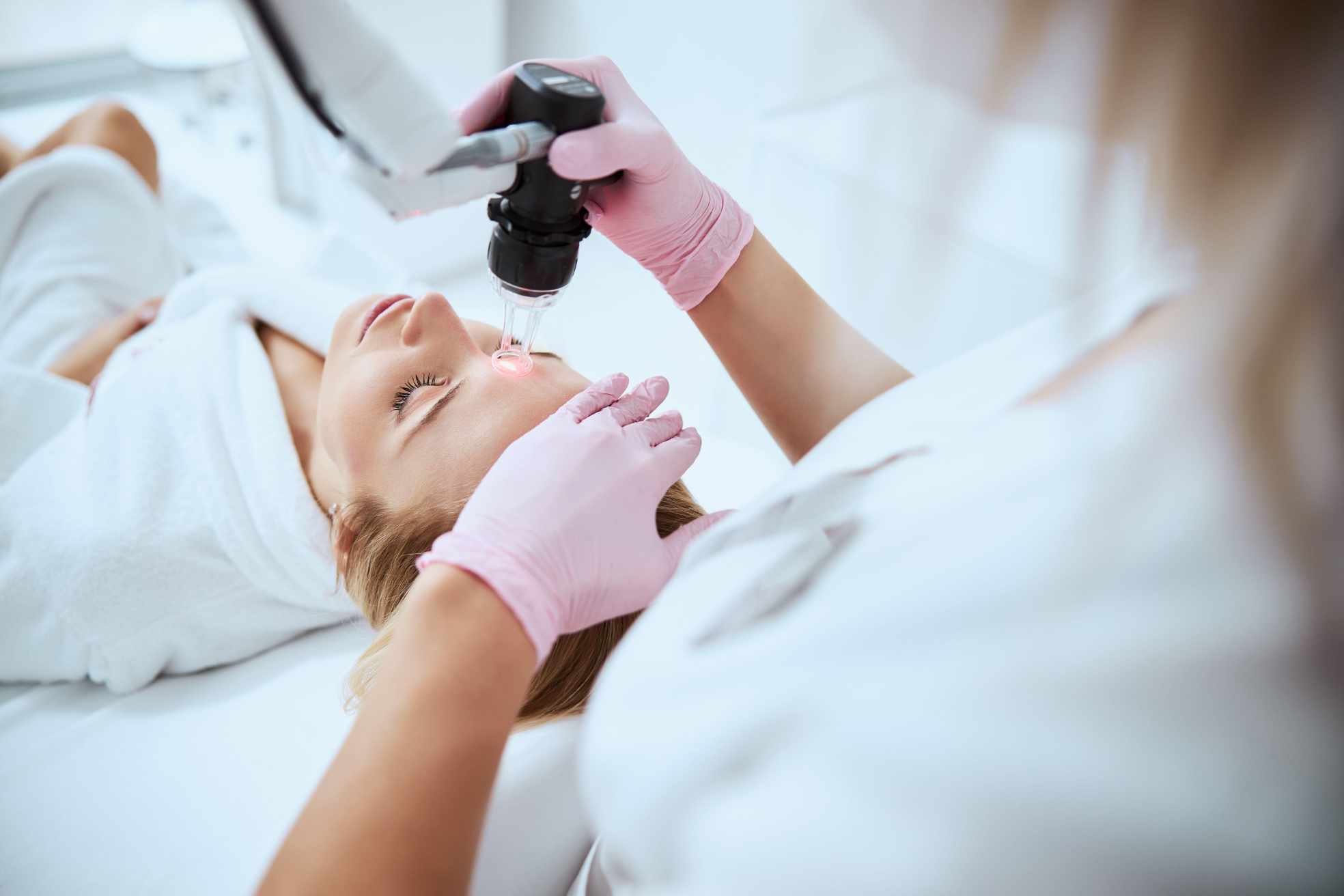
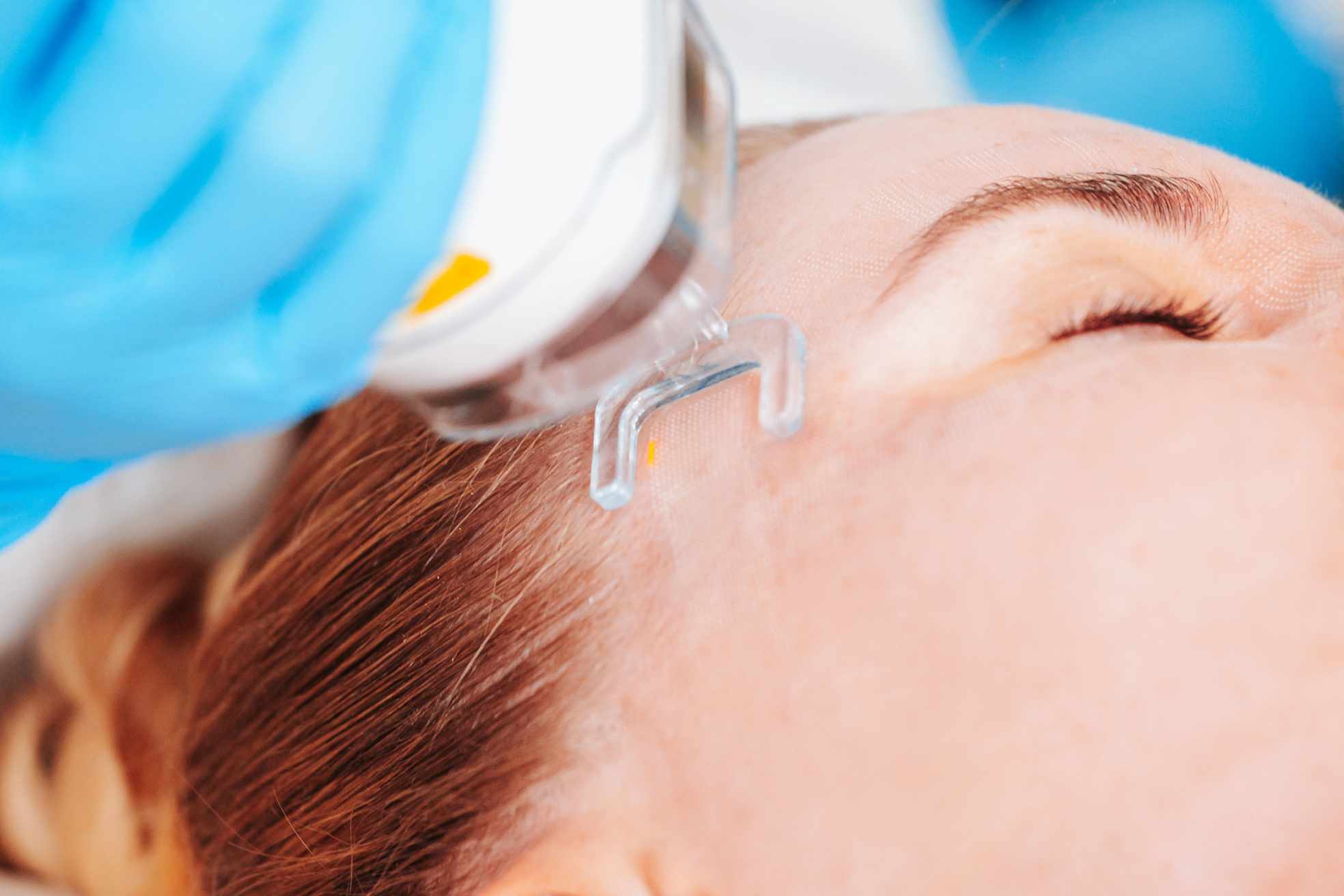
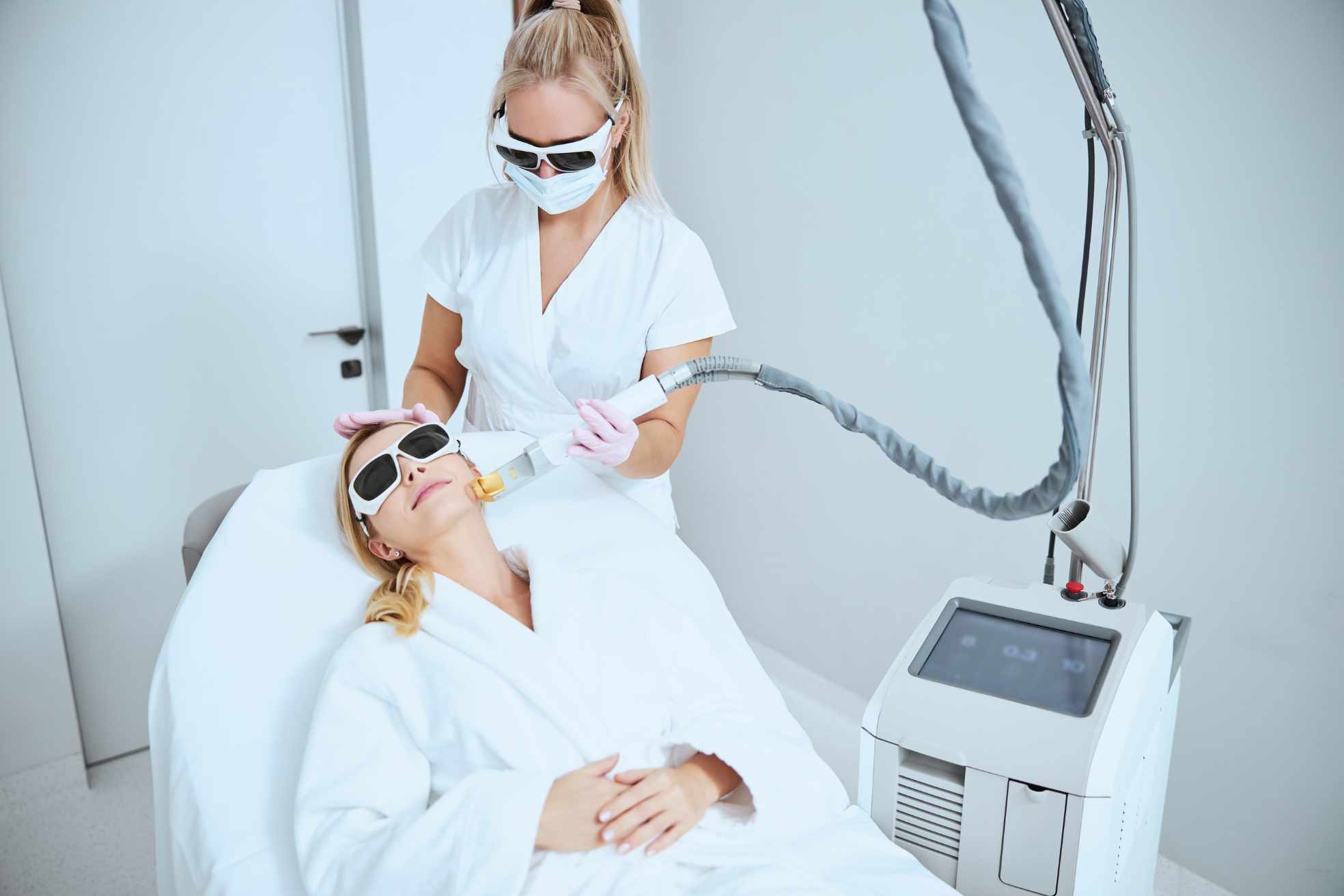
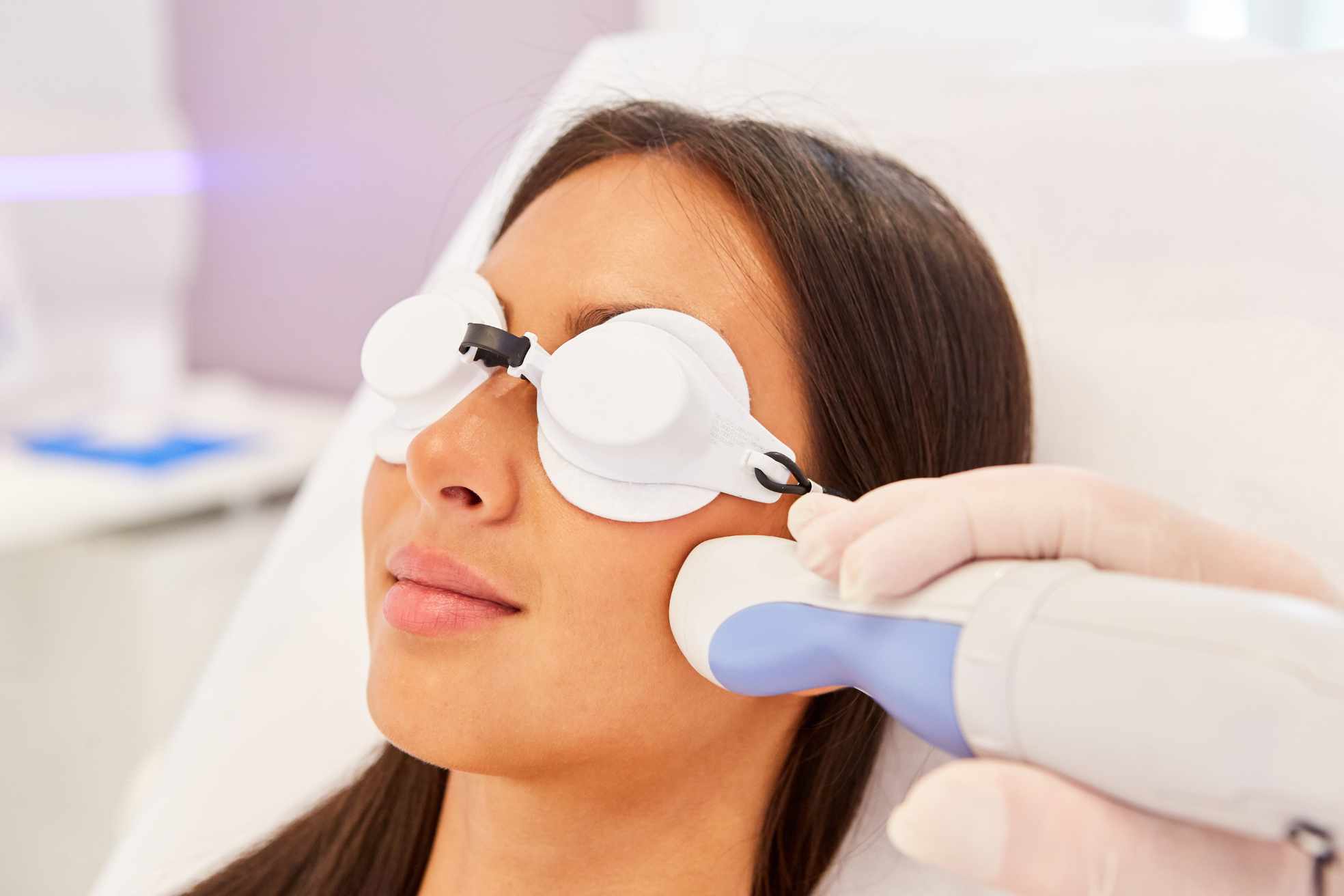
Laser resurfacing uses concentrated light energy to heat or remove damaged skin layers. Some lasers target the skin surface, while others work deeper below the skin.
Both treatments can improve:
- Fine lines
- Acne scarring
- Sun damage
- Uneven skin tone
- Enlarged pores
- Skin texture
The difference lies in how aggressively they treat the skin and how deeply they work.
What Happens During Skin Renewal After Treatment
After treatment, your skin begins repairing itself. Fresh skin cells replace damaged ones, and collagen production increases over time.
Most clients notice:
| Treatment | Early Recovery | Full Recovery |
| Light Chemical Peel | Mild flaking for 2–3 days | 1 week |
| Medium Peel | Visible peeling for 5–7 days | 2 weeks |
| Fractional Laser | Redness and swelling for 5–7 days | 2–4 weeks |
| CO2 Laser | Crusting and redness for 1–2 weeks | Several weeks |
In Victoria, sun protection becomes critical after either treatment. Melbourne’s UV levels can catch people off guard even during cooler months. We regularly remind clients that post-treatment skin behaves like fresh paint — too much sun too early can leave lasting pigmentation.
“The strongest treatment is not always the best treatment. The safest result usually comes from matching the procedure to the skin concern.”
Why a Skin Assessment Matters Before Choosing Either Treatment
Skin tone, sensitivity, lifestyle, and medical history all matter.
For example, clients with darker skin tones carry a higher risk of post-inflammatory pigmentation after aggressive laser treatments. In these cases, we often lean towards conservative peel protocols or carefully selected non-ablative lasers.
I remember one client from Frankston who came in asking for an aggressive laser after seeing dramatic before-and-after photos online. After analysing her skin, we realised her melasma would likely worsen with heat-based treatment. Instead, we used a series of brightening peels and targeted skincare. Three months later, her pigmentation looked calmer and more even without the risk of rebound pigment.
Chemical Peels Explained: What They Treat Best
How Chemical Peels Improve Skin Texture and Pigmentation
Chemical peels remove damaged skin through exfoliation.
Different acids target different concerns:
- Glycolic acid: dullness and fine lines
- Salicylic acid: acne and congestion
- Lactic acid: dehydration and sensitivity
- TCA: pigmentation and texture
Peels vary in strength:
| Peel Type | Depth | Best For |
| Superficial | Surface layer only | Glow and maintenance |
| Medium | Upper dermis | Pigmentation and acne marks |
| Deep | Deeper dermis | Significant ageing concerns |
Light peels are often called “lunchtime treatments” because recovery is quick.
Skin Concerns That Respond Well to Chemical Peels
Chemical peels work particularly well for:
- Active acne
- Congested pores
- Mild pigmentation
- Melasma
- Dull skin
- Uneven tone
One client preparing for her wedding booked a course of gentle peels six months before the big day. She did not want downtime or dramatic treatment. By the time wedding season rolled around, her skin looked brighter, smoother, and healthier in photos without looking overdone.
That natural improvement is what many people want.
Why Chemical Peels Are Often Safer for Darker Skin Tones
Darker skin tones contain more active melanocytes, which means the skin reacts more easily to inflammation.
Aggressive laser heat can sometimes trigger:
- Hyperpigmentation
- Uneven patches
- Prolonged redness
Carefully selected peels are often safer because they create less heat within the skin.
That said, treatment choice always depends on proper assessment. No two skins behave exactly the same way.
Pros and Cons of Chemical Peels
Pros
- Lower upfront cost
- Minimal downtime for lighter peels
- Excellent for pigmentation
- Helpful for acne-prone skin
- Good maintenance treatment
Cons
- Multiple sessions are usually needed
- Deep wrinkles respond slowly
- Peeling can feel socially awkward
- Results are often gradual
Laser Resurfacing Explained: When Stronger Skin Correction Matters
How Laser Resurfacing Targets Deep Skin Damage
Laser resurfacing works by delivering concentrated light energy into the skin.
There are two main categories:
- Ablative lasers
Remove the outer skin layer directly. - Non-ablative lasers
Heat deeper tissue while leaving the surface mostly intact.
Modern fractional lasers create tiny treatment zones surrounded by healthy tissue. This speeds healing while still stimulating strong collagen production.
Why Laser Treatments Excel for Acne Scars and Deep Wrinkles
Lasers are particularly effective for structural skin concerns.
They work well for:
- Deep acne scars
- Etched wrinkles
- Severe sun damage
- Uneven texture
- Skin laxity
I have worked with clients who spent years hiding acne scars under makeup. One client in her early thirties had deep boxcar scarring from teenage acne. After several fractional laser sessions, her skin texture softened significantly. She told us she finally felt comfortable leaving the house makeup-free for the first time in years.
That sort of confidence shift matters.
The Skin Tightening Benefit Chemical Peels Cannot Replicate
Laser heat stimulates collagen contraction deep within the skin.
This can improve:
- Jawline definition
- Cheek firmness
- Fine crepey texture
Chemical peels improve surface quality, but lasers can physically remodel deeper collagen structures.
Results still depend on age, skin condition, and lifestyle habits. No treatment stops natural ageing completely.
Pros and Cons of Laser Resurfacing
Benefits
- Strong collagen stimulation
- Effective for acne scars
- Long-lasting results
- Improves skin firmness
Drawbacks
- Higher cost
- More downtime
- Increased pigmentation risk for some skin tones
- Redness may persist for weeks
Chemical Peels vs Laser Resurfacing: Side-by-Side Comparison
Treatment Comparison Table
| Feature | Chemical Peels | Laser Resurfacing |
| Best For | Pigmentation and acne | Scars and wrinkles |
| Downtime | Low to moderate | Moderate to high |
| Cost | Lower | Higher |
| Skin Tightening | Minimal | Moderate |
| Acne Scars | Mild improvement | Significant improvement |
| Sessions Needed | Usually multiple | Often fewer |
| Suitable for Dark Skin | Often safer | Requires caution |
Which Treatment Hurts More?
Light peels usually feel tingly or warm.
Laser resurfacing often feels more intense because heat penetrates deeper into the skin. Numbing cream helps, but stronger lasers can still feel uncomfortable.
Most clients describe fractional laser recovery as similar to a heavy sunburn for several days.
Which Option Gives Faster Results?
Superficial peels often deliver a brighter glow within days.
Laser resurfacing takes longer because collagen rebuilding happens gradually over weeks and months.
Patience pays off. Skin rejuvenation is usually a marathon, not a sprint.
Choosing the Right Treatment for Your Skin Goals
Choose a Chemical Peel If You Want Brighter, Clearer Skin With Less Downtime
Chemical peels may suit you if you want:
- Fresher-looking skin
- Mild pigmentation correction
- Acne management
- Lower-cost maintenance
- Minimal recovery time
Choose Laser Resurfacing If You Need Deeper Skin Repair
Laser resurfacing may suit you if you want:
- Acne scar correction
- Wrinkle reduction
- Skin tightening
- Major texture improvement
- Longer-term collagen stimulation
Why Many Clients Benefit From Combining Both Treatments
Some of the best results come from combining treatments strategically.
For example:
- Fractional laser improves deep scarring
- Chemical peels maintain brightness and texture
- Medical-grade skincare supports long-term results
Treatment plans should always allow enough healing time between procedures.
Recovery Tips That Can Improve Your Results
What To Avoid After Treatment
After peels or lasers, avoid:
- Direct sun exposure
- Scrubbing or exfoliating
- Active skincare acids
- Picking peeling skin
- Intense exercise for 24–48 hours
Skincare Products That Support Healing
Gentle aftercare helps the skin recover properly.
Recommended products often include:
- Fragrance-free cleansers
- Barrier repair moisturisers
- SPF 50+
- Hydrating serums
Australian sun exposure is no joke. Even quick errands can trigger pigment changes after treatment if sunscreen is skipped.
Typical Healing Timeline
| Timeframe | What To Expect |
| Day 1 | Redness and sensitivity |
| Day 3 | Peeling or dryness begins |
| Day 7 | Fresh skin appears |
| Week 2 | Skin settles further |
| One Month | Collagen improvement continues |
Chemical peels and laser resurfacing both have an important place in skin rejuvenation. The right option depends on your skin condition, lifestyle, goals, and tolerance for downtime.
Some people need gentle maintenance. Others need deeper structural correction.
At Cosmetic Aesthetics Victoria, we always encourage clients to begin with a professional consultation and skin assessment rather than chasing social media trends or quick fixes. Good skin takes planning, consistency, and realistic expectations.
When treatment matches the problem correctly, the results often speak for themselves.
