Glycolic Acid: What It Does, Who Should Use It and When to Step Up to a Peel
Glycolic acid has earned its place in modern skincare cabinets for good reason. From smoothing rough texture to helping fade stubborn pigmentation, it can deliver noticeable results when used correctly. Still, it is not a “more is better” ingredient.
At Cosmetic Aesthetics Victoria, we regularly meet clients from Seaford, Frankston, and the Mornington Peninsula who have overdone exfoliation chasing fast results, only to end up with redness, peeling, and a compromised skin barrier.
Used with patience and the right guidance, glycolic acid can become one of the hardest-working ingredients in your routine.
What Glycolic Acid Does to the Skin
Glycolic acid is an alpha-hydroxy acid (AHA) derived from sugar cane. Its job is simple: remove dead skin cells from the surface so healthier skin can come through underneath.
Unlike gritty scrubs that manually buff the skin, glycolic acid dissolves the bonds between dead cells. Think of it as loosening old tiles rather than sanding the floor down. The result is smoother, brighter-looking skin without harsh rubbing.
Why Glycolic Acid Works Faster Than Some Other AHAs
Glycolic acid has one of the smallest molecule sizes in the AHA family. That smaller size allows it to penetrate the skin more deeply than acids like lactic acid.
That is the good news and the catch.
Because it penetrates quickly, it often produces faster visible results. However, sensitive skin can react if concentrations are too high or products are used too often. We often tell clients not to run before they can walk. Starting slowly usually gives better long-term results than jumping straight into strong peels.
The Main Skin Concerns Glycolic Acid Can Help Improve
Glycolic acid is commonly used for:
- Dull skin
- Uneven texture
- Congested pores
- Blackheads
- Fine lines
- Mild acne scarring
- Sun damage
- Post-inflammatory pigmentation
For many Australians, pigmentation is a major concern. Our harsh UV levels in Victoria mean even small amounts of sun exposure can trigger uneven skin tone, especially after breakouts or inflammation.
Glycolic Acid Benefits for Acne, Pigmentation, and Ageing Skin
The reason glycolic acid remains popular is because it targets several concerns at once.
Glycolic Acid for Acne and Clogged Pores
Dead skin and excess oil can trap bacteria inside pores. Glycolic acid helps clear away that buildup before congestion becomes worse.
One client from Frankston described her skin as “looking tired and bumpy no matter what foundation I used.” After introducing a gentle glycolic toner twice weekly and simplifying her routine, she noticed fewer blocked pores within six weeks.
That said, inflamed cystic acne may require a broader treatment plan. Glycolic acid is helpful, but it is not a magic wand.
Glycolic Acid for Pigmentation and Sun Damage
Pigmentation can be stubborn, especially after years of Australian sun exposure. Glycolic acid helps increase cell turnover so darker pigmented cells gradually shed over time.
Consistency matters more than intensity here.
A gentle routine used regularly often works better than aggressive exfoliation that leaves the skin irritated. In our experience, clients who combine glycolic acid with daily SPF tend to see steadier improvement.
Glycolic Acid for Fine Lines and Texture
As skin ages, dead cells do not shed as efficiently. The surface can start looking rough, dull, or uneven under makeup.
Glycolic acid smooths the skin surface and can soften the appearance of fine lines over time. Many clients notice their makeup sits more evenly after several weeks of use.
As one practitioner often says in clinic:
“Healthy skin usually looks polished before it looks dramatically younger.”
Who Should Use Glycolic Acid and Who Should Be Careful
Not every skin type responds the same way to active ingredients.
Best Skin Types for Glycolic Acid
Glycolic acid often suits:
| Skin Concern | Why It Helps |
| Oily skin | Helps clear excess buildup |
| Rough texture | Smooths uneven skin |
| Mild pigmentation | Encourages cell turnover |
| Sun-damaged skin | Brightens dull areas |
| Congested pores | Reduces debris on skin surface |
Skin Types That May Need a Gentler Option
Sensitive or reactive skin may tolerate milder acids better, such as lactic acid or mandelic acid.
Use caution if you have:
- Rosacea
- Eczema
- A damaged skin barrier
- Active irritation
- Severe dryness
- Recent sunburn
Over-exfoliating already reactive skin can open a whole new can of worms.
When to Speak With a Skin Practitioner First
Professional advice is important if you:
- Recently used isotretinoin
- Experience recurring pigmentation
- Have darker skin tones prone to post-inflammatory pigmentation
- Are pregnant or breastfeeding
- Have chronic skin conditions
A proper consultation helps avoid unnecessary irritation and wasted money on products that may not suit your skin.
How to Use Glycolic Acid at Home Without Damaging Your Skin Barrier
Good skincare is rarely about extremes. Slow and steady usually wins the race.
Start With a Low Strength and Build Slowly
If you are new to glycolic acid:
- Begin with 5–10% strength.
- Use it once or twice weekly.
- Apply it only at night.
- Follow with moisturiser.
- Increase slowly if your skin tolerates it.
Many people make the mistake of using glycolic acid daily too soon. Skin irritation often creeps up quietly over several days.
What Not to Mix With Glycolic Acid
Avoid combining glycolic acid with:
- Retinol
- Physical scrubs
- Strong vitamin C products
- Other exfoliating acids
- Harsh acne treatments
Layering too many active ingredients can leave the skin red, tight, and inflamed.
Why Sunscreen Is Non-Negotiable
This part matters.
Glycolic acid increases sun sensitivity because it removes the outer dead layer of skin. In Australia, where UV levels regularly climb even during cooler months, skipping SPF can undo progress quickly.
Daily broad-spectrum SPF 30 or higher is essential.
Glycolic Acid Peel vs At-Home Glycolic Acid: What Is the Difference?
At-home products and professional peels work differently.
At-Home Glycolic Acid Products
These are usually lower strength formulas designed for gradual improvement.
Best for:
- Mild dullness
- Maintenance
- Early signs of ageing
- Light congestion
Results tend to build over several weeks.
Professional Glycolic Acid Peels
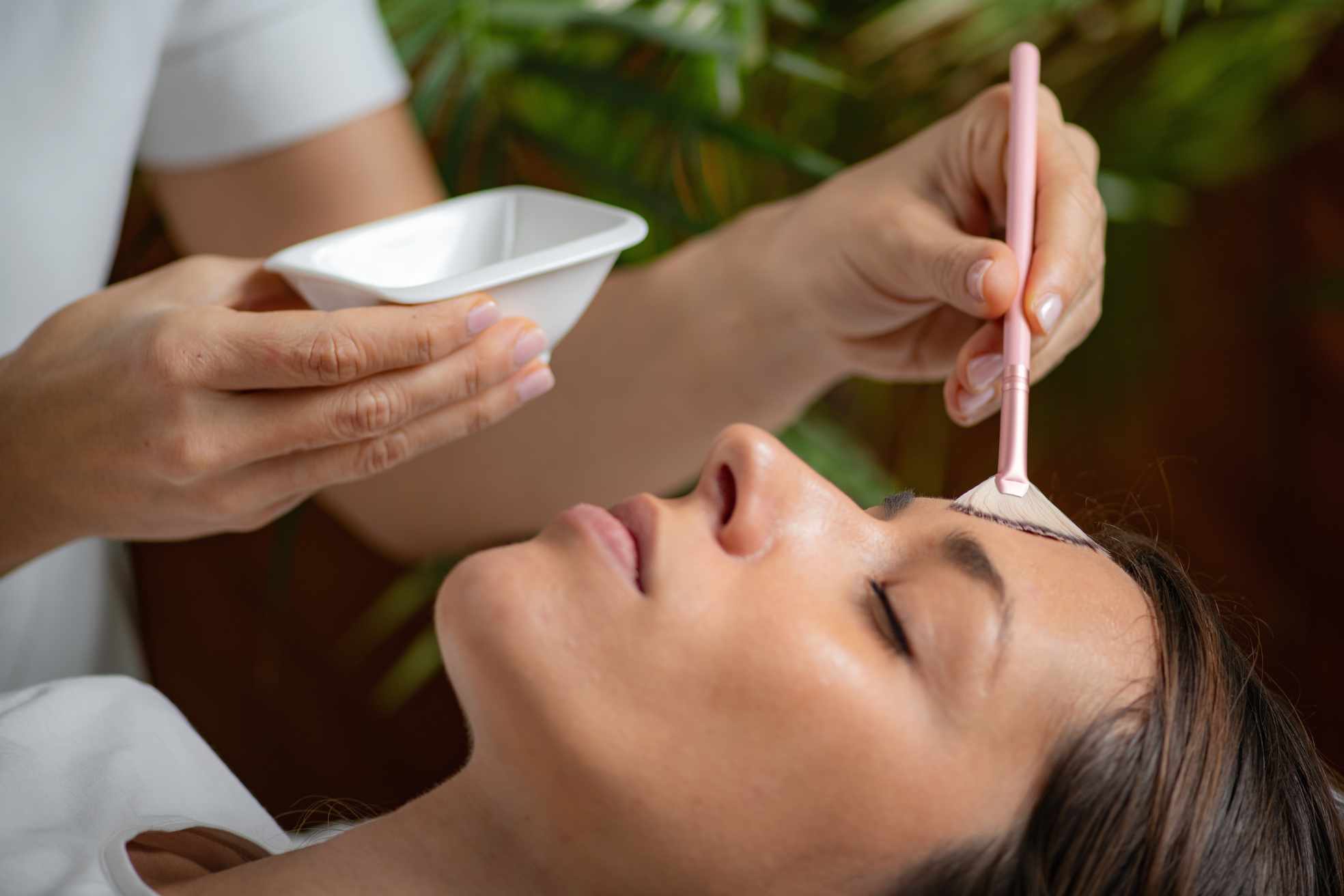
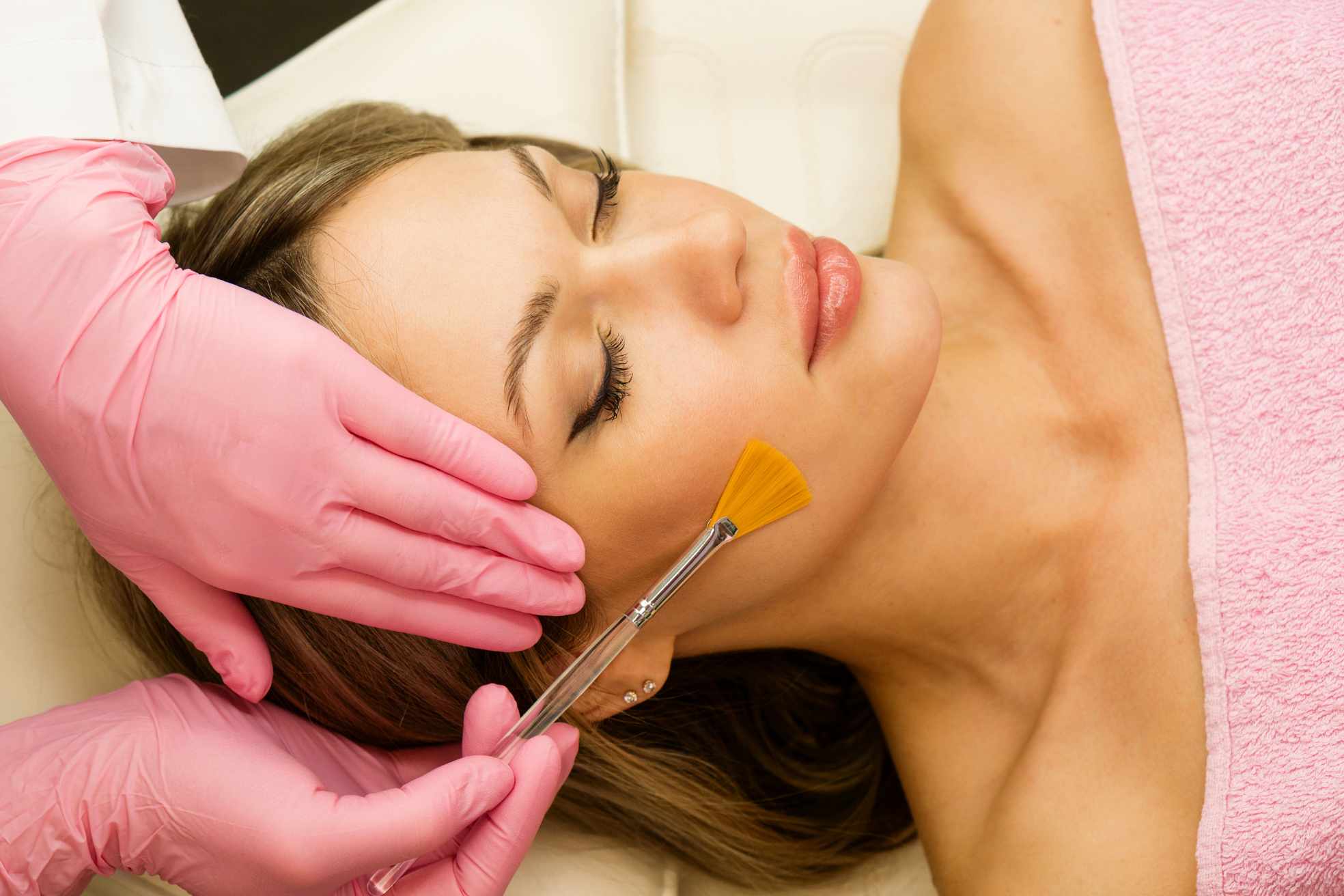
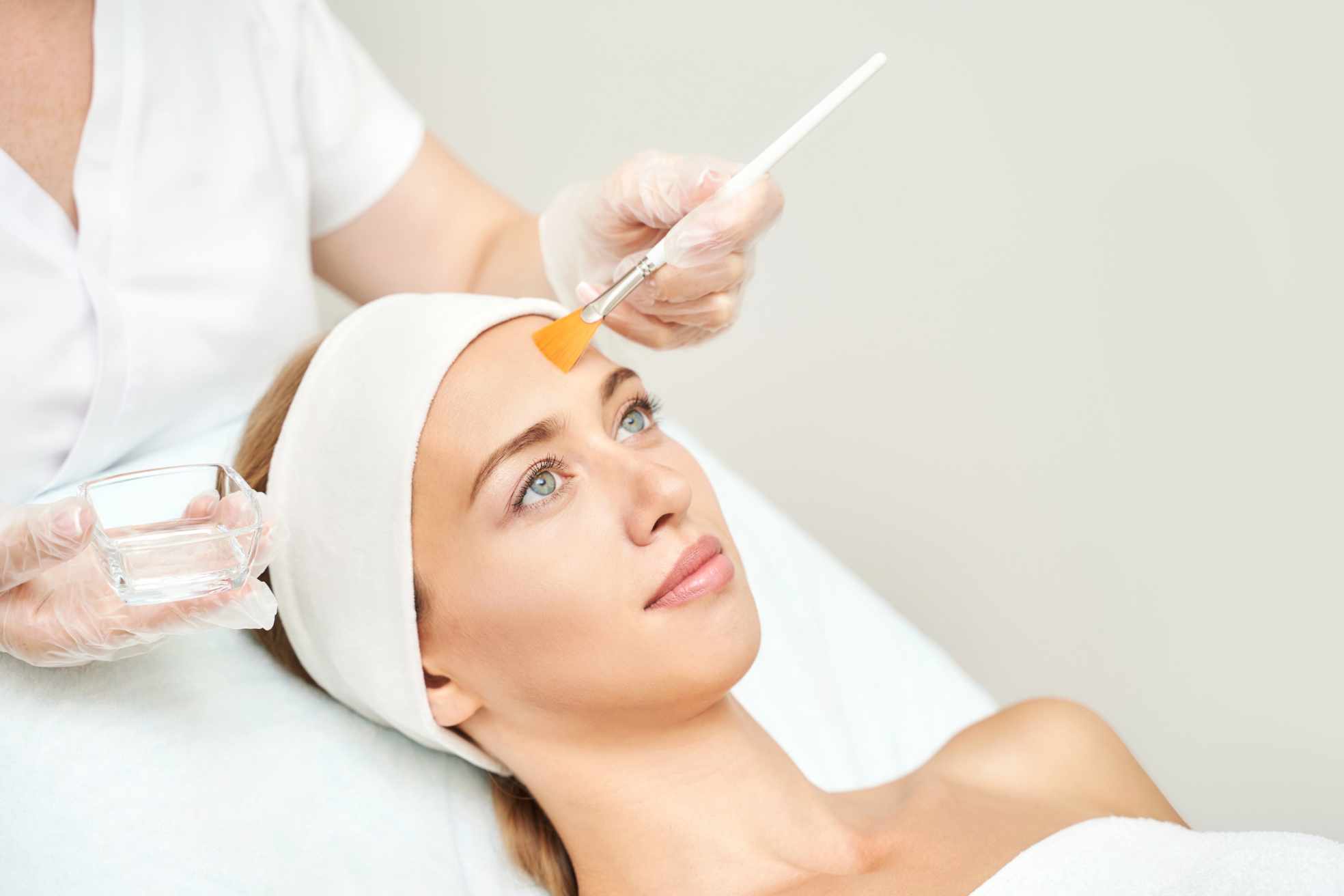
Professional peels use stronger concentrations under clinical supervision. These treatments penetrate deeper and often produce faster changes in texture and pigmentation.
They may suit clients with:
- Persistent pigmentation
- Acne scarring
- Significant sun damage
- Uneven texture
- Mature skin concerns
Quick Comparison Table
| Treatment Type | Strength | Best For | Downtime |
| Home toner/serum | 5–10% | Maintenance | Minimal |
| Intermediate peel | 10–20% | Texture and pigmentation | Mild flaking |
| Professional peel | 20–70% | Deeper rejuvenation | Several days possible |
When Your Skin May Be Ready to Step Up to a Professional Peel
Sometimes homecare reaches a plateau.
5 Signs a Peel May Be Worth Discussing
- Pigmentation has stopped improving.
- Acne marks remain visible.
- Skin texture still feels uneven.
- Makeup catches on rough patches.
- You want stronger results without guessing what to use next.
One Mornington Peninsula client described spending hundreds on online skincare before finally booking a professional consultation. Her biggest regret? Waiting too long to get proper guidance.
Why a Skin Consultation Matters First
Professional assessment helps determine:
- Skin sensitivity
- Pigmentation triggers
- Suitable peel strengths
- Recovery expectations
- Risks of irritation
At Cosmetic Aesthetics Victoria, consultations are designed to educate clients rather than push unnecessary treatments. Skin goals, lifestyle, sun exposure, and existing routines all matter.
How to Prepare for a Glycolic Acid Peel
Preparation often determines how smoothly recovery goes.
What to Stop Before a Peel
Pause these products around 5–7 days beforehand:
- Retinoids
- Scrubs
- Exfoliating acids
- Waxing
- Strong acne treatments
What to Do Instead
Focus on hydration and barrier repair.
A simple pre-peel checklist:
| Before Your Peel | Why It Matters |
| Hydrate skin well | Supports healing |
| Avoid excessive sun | Reduces irritation risk |
| Use gentle skincare | Keeps barrier calm |
| Follow clinic advice | Improves outcomes |
What Happens After a Glycolic Acid Peel
Recovery varies depending on peel strength.
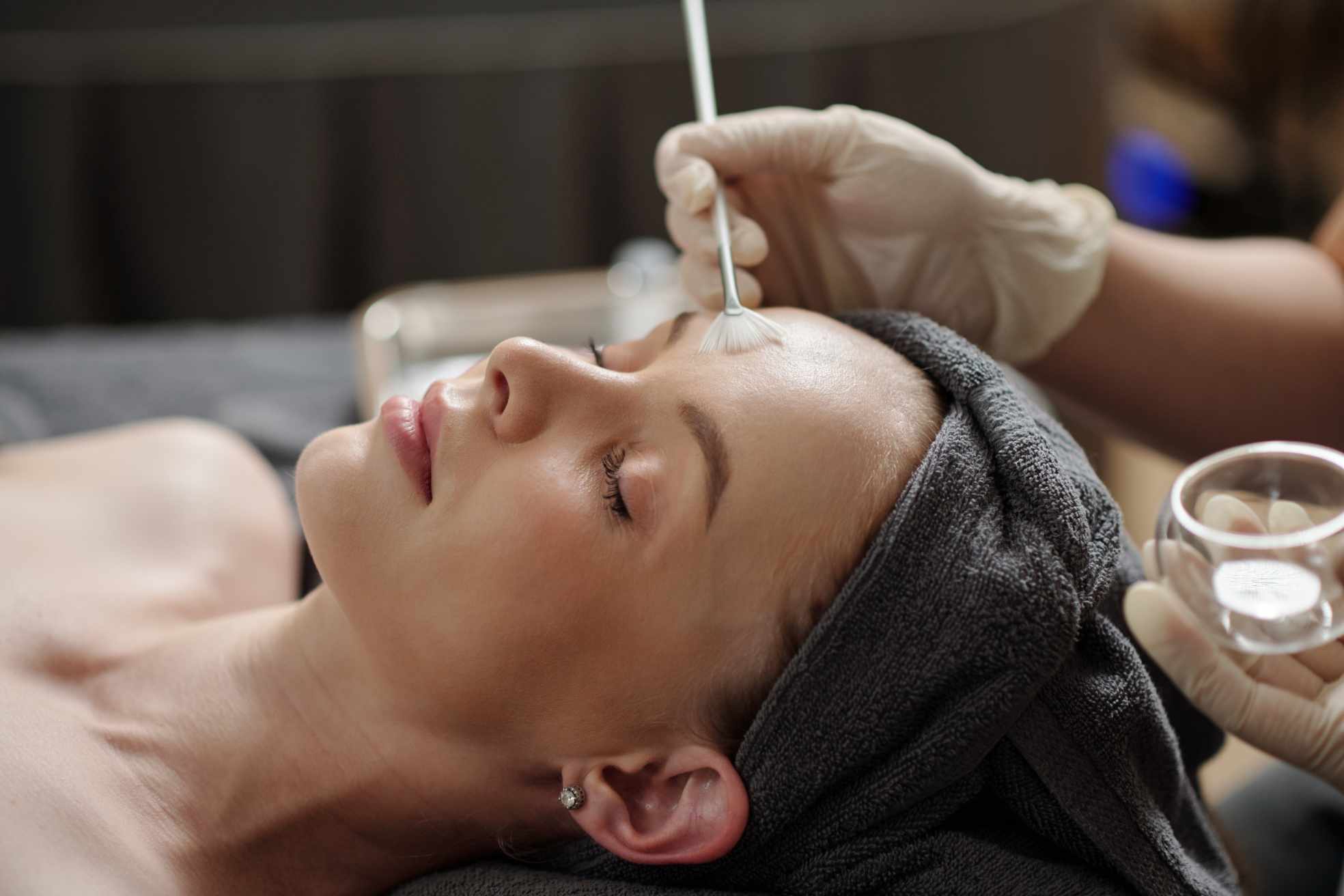
Common Skin Reactions After a Peel
You may experience:
- Mild redness
- Tightness
- Dryness
- Flaking
- Temporary sensitivity
Most mild peeling settles within several days.
Post-Peel Aftercare That Protects Your Result
Aftercare is where many people trip up.
For the first 24–48 hours:
- Avoid intense workouts
- Skip saunas and steam rooms
- Avoid picking flaking skin
- Use gentle moisturisers
- Wear SPF daily
Clients who pick peeling skin often increase their risk of pigmentation afterwards. It is best to let the skin shed naturally.
Professional Advice: The Safest Way to Get Better Skin With Glycolic Acid
Glycolic acid can deliver impressive results when used carefully. The key is matching the strength and frequency to your skin rather than following trends online.
We often remind clients that skincare is not a sprint. Healthy skin usually improves through consistent habits, barrier support, and realistic expectations.
A thoughtful plan beats aggressive exfoliation every time.
A Real-World Example
A client in Seaford came into clinic frustrated after using multiple acids nightly because social media promised “glass skin.” Her barrier became irritated, makeup burned on application, and pigmentation worsened after beach exposure.
After simplifying her routine and spacing out active ingredients, her skin gradually calmed over eight weeks. Only then was she ready for a professional peel.
Sometimes doing less is the smartest move.
Glycolic acid can brighten dull skin, smooth texture, and improve the appearance of pigmentation when used properly. The trick is respecting your skin barrier and resisting the urge to overdo it.
Whether you are starting with a gentle toner or considering a professional peel, patience and consistency matter. In a climate like Victoria’s, sun protection and barrier care are just as important as the active ingredient itself.
Good skin rarely happens overnight. But with the right approach, glycolic acid can absolutely help you move in the right direction.
