Hormonal Acne in Adults: Why It Happens and How Clinics Can Help
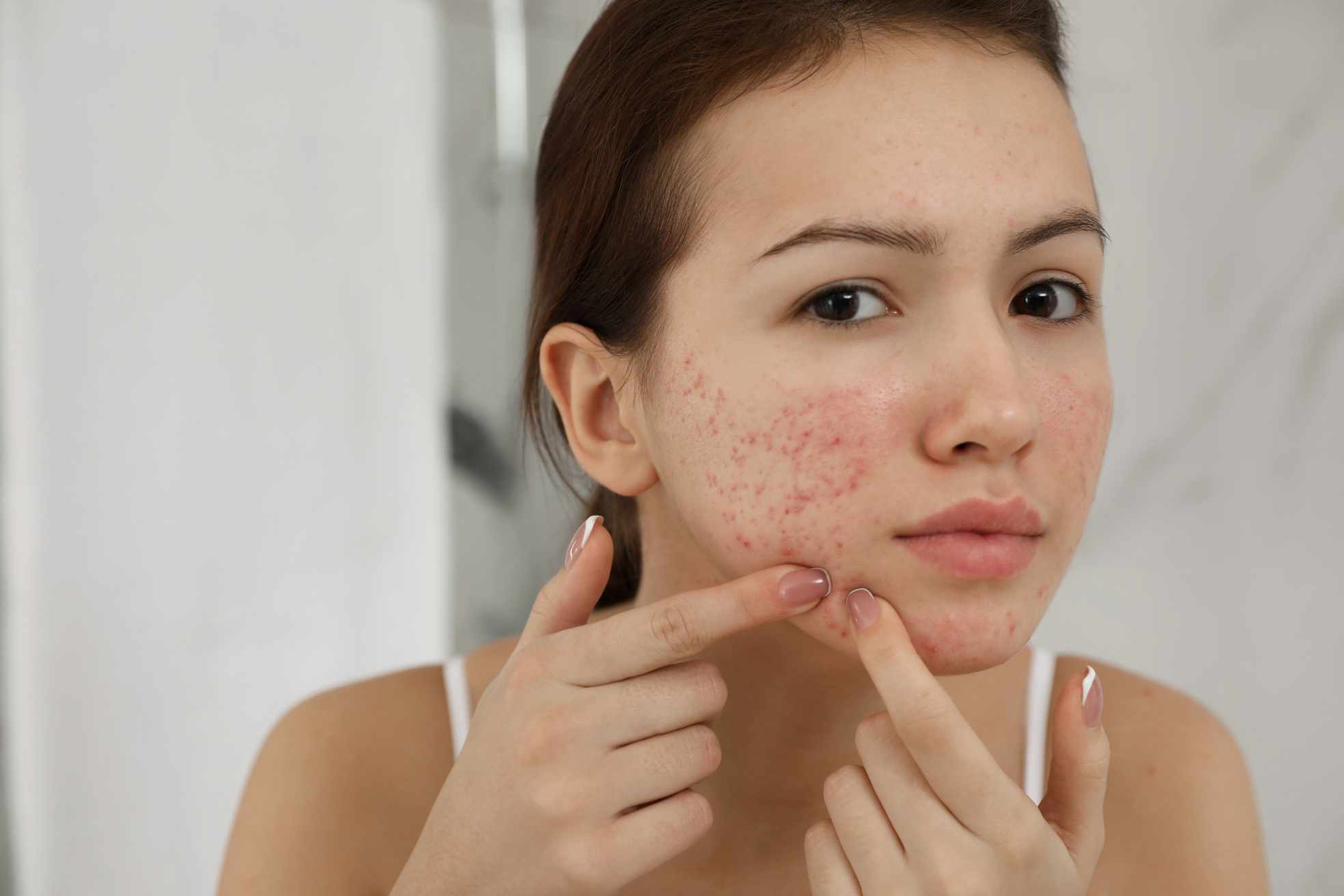
Adult acne has a nasty habit of showing up right when you thought you had left it behind in high school. One week, your skin is calm, and the next, you are waking up with painful cysts along your jawline before an important meeting or weekend event. It can feel like you are back to square one.
I have spoken with countless adults who tried every supermarket cleanser under the sun before finally walking into a skin clinic, frustrated and exhausted. One Brisbane client described it perfectly: “I spent hundreds at Chemist Warehouse trying to fix it myself before realising this wasn’t normal acne anymore.”
The truth is, hormonal acne is common across Australia, especially among women in their 20s, 30s and 40s. Our climate, stress levels, changing hormones and even modern diets can all stir the pot. The good news? Clinics now offer treatments that go far beyond basic face washes and spot creams.
Why Hormonal Acne Happens in Adults
Hormonal acne starts below the surface of the skin. When hormones fluctuate, oil glands can go into overdrive. Extra oil mixes with dead skin cells, pores become blocked, and bacteria move in like uninvited guests at a barbecue.
How Hormones Trigger Acne Breakouts
Androgens, including testosterone, play a major role. These hormones increase sebum production, which creates the ideal environment for breakouts.
Women naturally produce androgens too. The issue is often hormone sensitivity rather than hormone quantity alone.
Several factors can trigger hormonal shifts:
| Hormonal Trigger | How It Affects Skin |
| Menstrual cycle | Increased oil production before periods |
| Pregnancy | Hormonal surges can trigger cystic acne |
| Perimenopause | Oestrogen drops may increase androgen effects |
| PCOS | Elevated androgens often cause persistent acne |
| Stress | Cortisol increases inflammation and oil levels |
| High-sugar diets | Insulin spikes can worsen acne activity |
I once interviewed a Sydney dermal therapist who said she sees a spike in hormonal acne consultations every January. The likely culprit? Holiday stress, poor sleep and overindulgence. Too much pavlova and too little rest can come back to bite your skin.
The Most Common Hormonal Acne Triggers
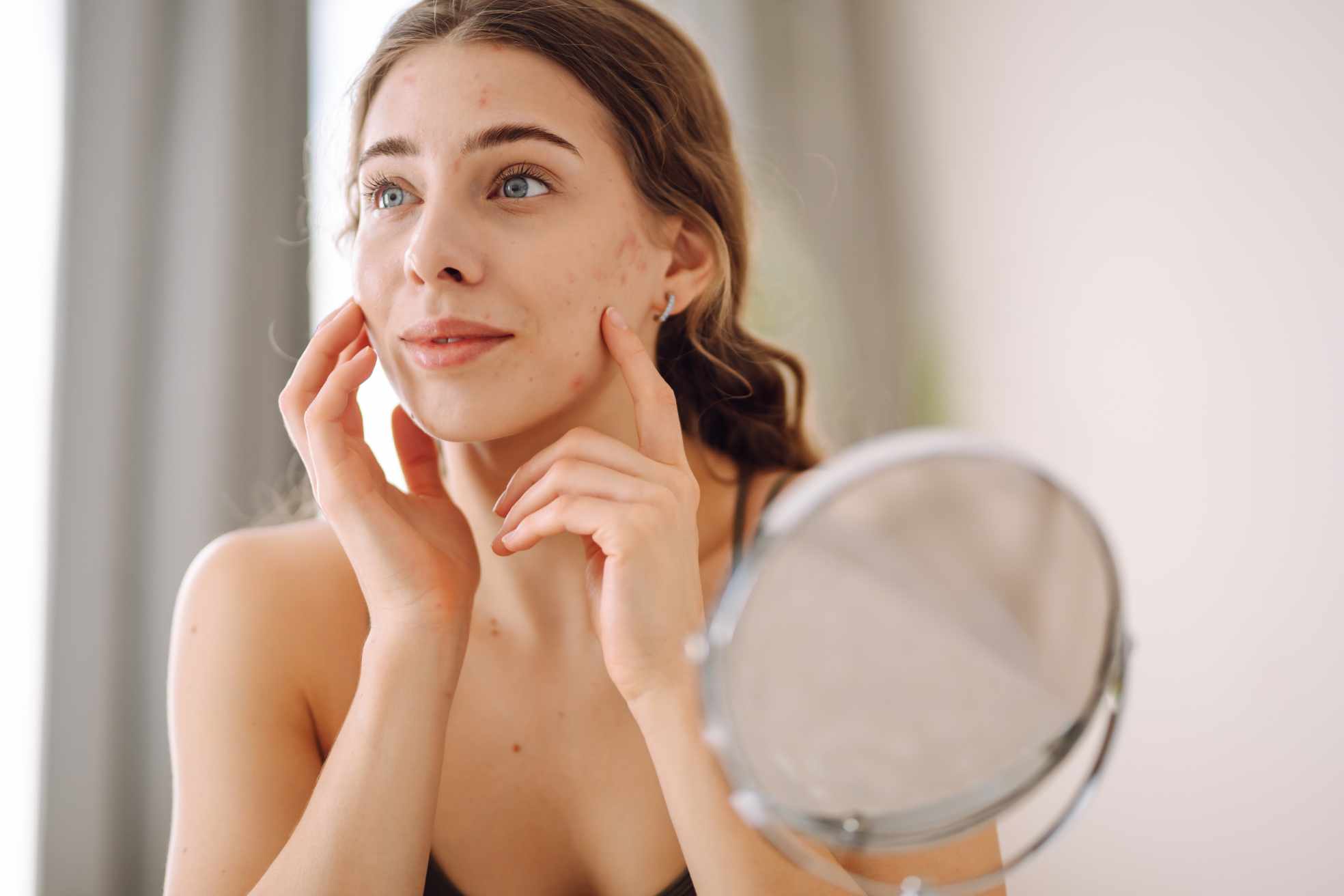
Hormonal acne rarely has one single cause. More often, it is a perfect storm.
Common triggers include:
- Stress from work or family life
- Stopping or changing contraception
- Pregnancy and postpartum changes
- Diets high in refined carbohydrates
- Whey protein supplements
- Lack of sleep
- Underlying hormone conditions such as PCOS
A Melbourne office worker I spoke with noticed her acne worsened every tax season. Tight deadlines, takeaway meals and poor sleep created the ideal recipe for flare-ups.
Sometimes your skin tells the story before the rest of your body catches up.
Why Adult Women Experience Hormonal Acne More Often
Women experience more hormonal fluctuations across life stages, making them more prone to recurring breakouts.
Many women notice:
- painful chin acne before menstruation
- jawline cysts during perimenopause
- postpartum breakouts after pregnancy
- acne linked to PCOS
Hormonal acne can also linger well into the 40s. That surprises many patients who expected clearer skin with age.
Signs Your Acne Is Hormonal and Not Just Regular Breakouts
Not all acne behaves the same way. Hormonal acne has a few tell-tale signs.
Where Hormonal Acne Usually Appears
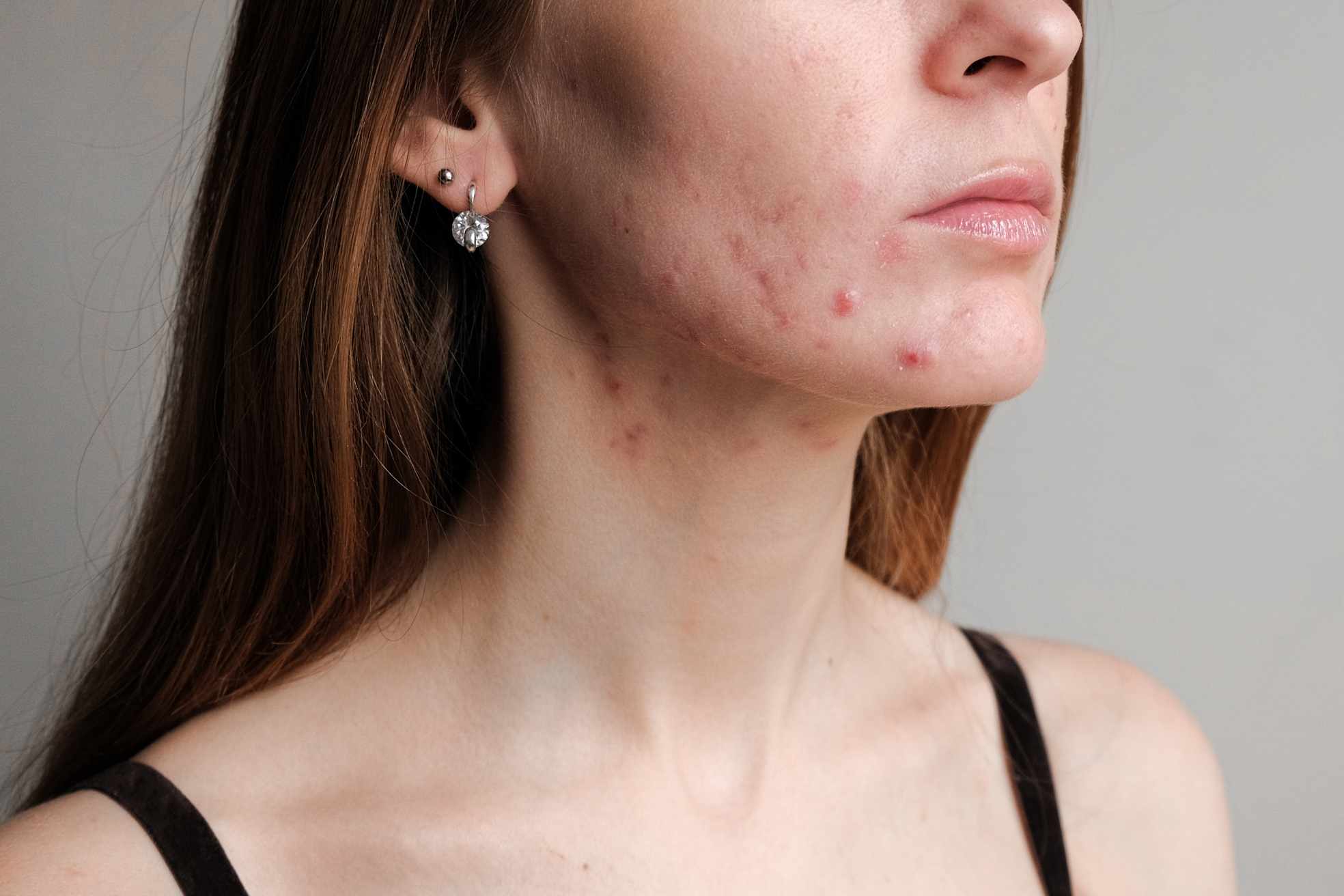
Hormonal breakouts tend to cluster around:
- chin
- jawline
- neck
- lower cheeks
Teenage acne often sits in the T-zone instead. Adult hormonal acne likes to camp around the lower face and refuses to budge.
What Hormonal Acne Looks and Feels Like
Hormonal acne is usually:
- deep under the skin
- swollen and painful
- red and inflamed
- slow to heal
Many cysts never form a visible whitehead. They simply sit under the skin throbbing for days.
One Perth patient described her cystic acne as “feeling like bruises under my face”.
Hormonal Acne vs Regular Acne
| Hormonal Acne | Regular Acne |
| Usually on jawline and chin | Often appears in T-zone |
| Deep cysts and nodules | Blackheads and whiteheads |
| Linked to hormone changes | Often linked to oil and bacteria |
| Common in adults | Common in teenagers |
| Cyclical flare-ups | More random breakouts |
Why Over-the-Counter Products Often Fail
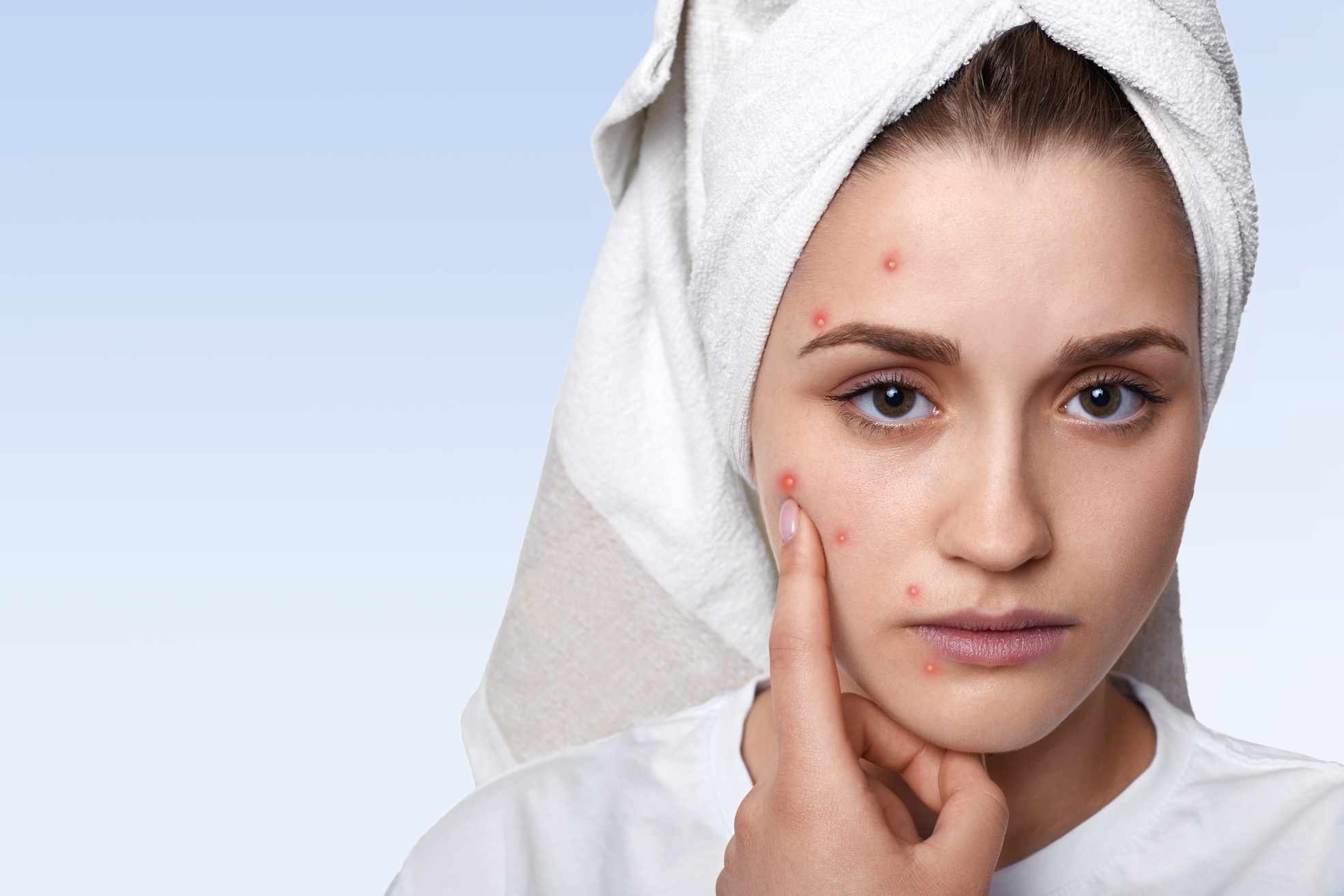
A common mistake is assuming stronger products equal better results. That approach can backfire badly.
The Problem With Treating Only the Surface
Hormonal acne begins internally. A harsh cleanser cannot regulate hormones or stop androgen activity.
Over-cleansing often strips the skin barrier, causing more oil production in response. It becomes a vicious cycle.
I have seen people use:
- three exfoliants at once
- drying alcohol toners
- acne scrubs twice daily
Their skin ended up angry, irritated and even oilier.
Common Skincare Mistakes That Make Acne Worse
Avoid these habits:
- scrubbing aggressively
- over-washing
- picking cysts
- layering too many active ingredients
- using thick pore-clogging makeup
Australian summers can also worsen irritation. Heat, humidity and sweat increase inflammation, especially in cities like Brisbane and Darwin.
The Best Hormonal Acne Treatments Available at Skin Clinics
Professional clinics approach hormonal acne from multiple angles rather than relying on a single cream.
Prescription Retinoids for Faster Skin Renewal
Prescription retinoids such as tretinoin help prevent clogged pores and improve skin turnover.
Benefits include:
- fewer breakouts
- smoother skin texture
- fading post-acne pigmentation
- reduced congestion
The first six weeks can be rough. Some peeling and dryness are normal. Many dermatologists call this the “retinoid adjustment phase”.
Patience pays off.
Oral Medications That Target Hormonal Imbalances
For persistent hormonal acne, oral medications are often necessary.
| Medication | Purpose |
| Oral contraceptive pill | Balances hormone fluctuations |
| Spironolactone | Blocks androgen activity |
| Isotretinoin | Reduces oil gland activity |
Spironolactone has become increasingly popular in Australian skin clinics because it targets the hormonal component directly.
One Adelaide patient told me her skin improved dramatically within four months after years of failed topical treatments.
“There is no magic overnight cure for hormonal acne. The best results usually come from combining treatments consistently over time.”
Advanced In-Clinic Procedures
Modern clinics now offer treatments that target oil glands directly.
Cortisone Injections
These are ideal for large cysts before major events. Swelling can reduce within 24 to 48 hours.
LED Light Therapy
Blue light helps kill acne bacteria while red light calms inflammation.
Many clinics combine both during treatment plans.
AviClear Laser Treatment
AviClear targets sebaceous glands to reduce oil production.
Patients often choose it because:
- there is minimal downtime
- treatments are non-invasive
- it may reduce future breakouts long term
Chemical Peels
Chemical peels help:
- clear congestion
- improve texture
- reduce post-acne marks
- brighten dull skin
Clinics across Australia commonly recommend lighter peels during summer to avoid sun sensitivity.
Lifestyle Changes That Support Professional Acne Treatment
Lifestyle alone usually will not clear hormonal acne completely, but it can help keep flare-ups under control.
The Best Daily Routine for Hormonal Acne
A simple routine often works best.
Morning Checklist
- Gentle cleanser
- Lightweight moisturiser
- SPF 50 sunscreen
Evening Checklist
- Gentle cleanse
- Prescription treatment
- Barrier-support moisturiser
Australian dermatologists strongly recommend daily sunscreen use, especially when using retinoids or undergoing peels.
Foods That May Trigger Breakouts
Some patients notice flare-ups linked to:
- sugary foods
- white bread and processed carbs
- whey protein
- excess dairy
This does not mean you need to swear off cheese forever. It simply means paying attention to patterns.
Stress, Sleep and Skin Health
Stress can send cortisol levels through the roof. When that happens, inflammation often follows.
Helpful habits include:
- regular exercise
- better sleep routines
- reducing alcohol intake
- mindfulness practices
- taking breaks from work screens
As the saying goes, you cannot pour from an empty cup — and your skin often reflects burnout before anything else does.
When to See a Dermatologist or Acne Clinic
Some acne needs professional attention sooner rather than later.
Signs You Should Book a Consultation
Seek help if you have:
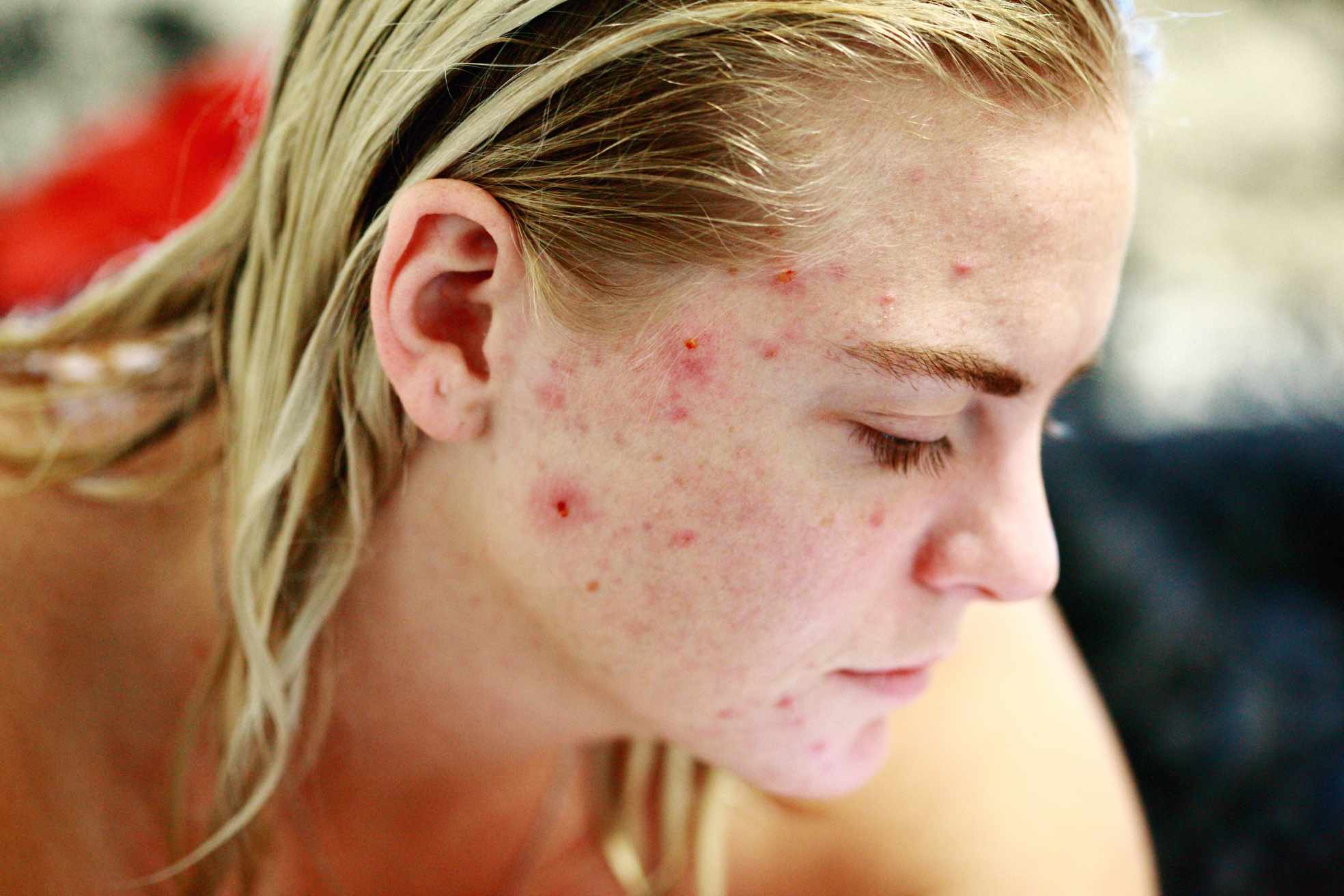
- painful cysts
- acne scars
- persistent adult acne
- emotional distress from breakouts
- acne that does not improve after several months
What Happens During a Skin Consultation
Most clinics will:
- assess your skin condition
- discuss hormones and medical history
- review medications
- recommend a treatment plan
- schedule follow-up reviews
A good clinic will explain timelines honestly. Hormonal acne treatment is usually a marathon, not a sprint.
Hormonal acne can feel exhausting, especially when you have already spent years trying every cleanser, serum and internet hack imaginable. But clear skin is possible with the right support.
The biggest shift often happens when patients stop fighting their skin alone and start treating the root cause properly. Whether that involves prescription medication, laser therapy or simple routine changes, professional guidance can save time, money and frustration in the long run.
You do not need to grin and bear it. Modern clinics now offer far more effective solutions than many people realise, and for countless Australians dealing with adult acne, that can be a real game-changer.
