
Retinol vs Professional Peels: When to Go Clinic Instead of Shelf
Walk into any Australian pharmacy today and you’ll see shelves packed with retinol serums, peeling pads, exfoliating acids, and “skin renewal” creams promising glowing skin in weeks. Then you scroll Instagram and suddenly everyone’s getting professional peels at clinics in Bondi, South Yarra, or the Gold Coast.
It’s enough to make your head spin.
I’ve personally bounced between both worlds. During Melbourne’s long lockdowns, I leaned heavily on at-home retinol because clinics were shut. Later, after stubborn pigmentation from years of Queensland sun refused to budge, I finally booked a professional peel. The difference was night and day.
The truth is, retinol and professional peels are not competing treatments. They solve different problems in different ways. One is a slow burn. The other is more like bringing in the heavy machinery.
Knowing when to stick with shelf skincare and when to head into a clinic can save you money, frustration, and a damaged skin barrier.
Why Retinol and Professional Peels Work in Completely Different Ways
How Retinol Changes Skin Over Time
Retinol is part of the Vitamin A family. Dermatologists have called it the gold standard in anti-ageing for years, and for good reason.
Instead of stripping the skin immediately, retinol works behind the scenes. It speeds up cell turnover and encourages collagen production over time. Think of it as teaching your skin to behave like younger skin again.
I remember starting with a basic 0.3% retinol cream during my late twenties. The first few weeks were rough. Dry patches around the nose, flaky cheeks, and that tight feeling that makes you question every life choice. But after about eight weeks, my skin looked smoother and more even.
That’s the catch with retinol. You need patience.
“Retinol rewards consistency, not impatience.”
Modern formulas are thankfully gentler than older versions. Encapsulated retinol releases slowly into the skin, which helps reduce irritation while still improving:
- Fine lines
- Uneven texture
- Mild acne
- Enlarged pores
- Dull skin
Still, it’s not magic overnight. Most Australians using OTC retinol need around 8 to 12 weeks before noticeable improvement kicks in.
How Professional Chemical Peels Deliver Faster Results
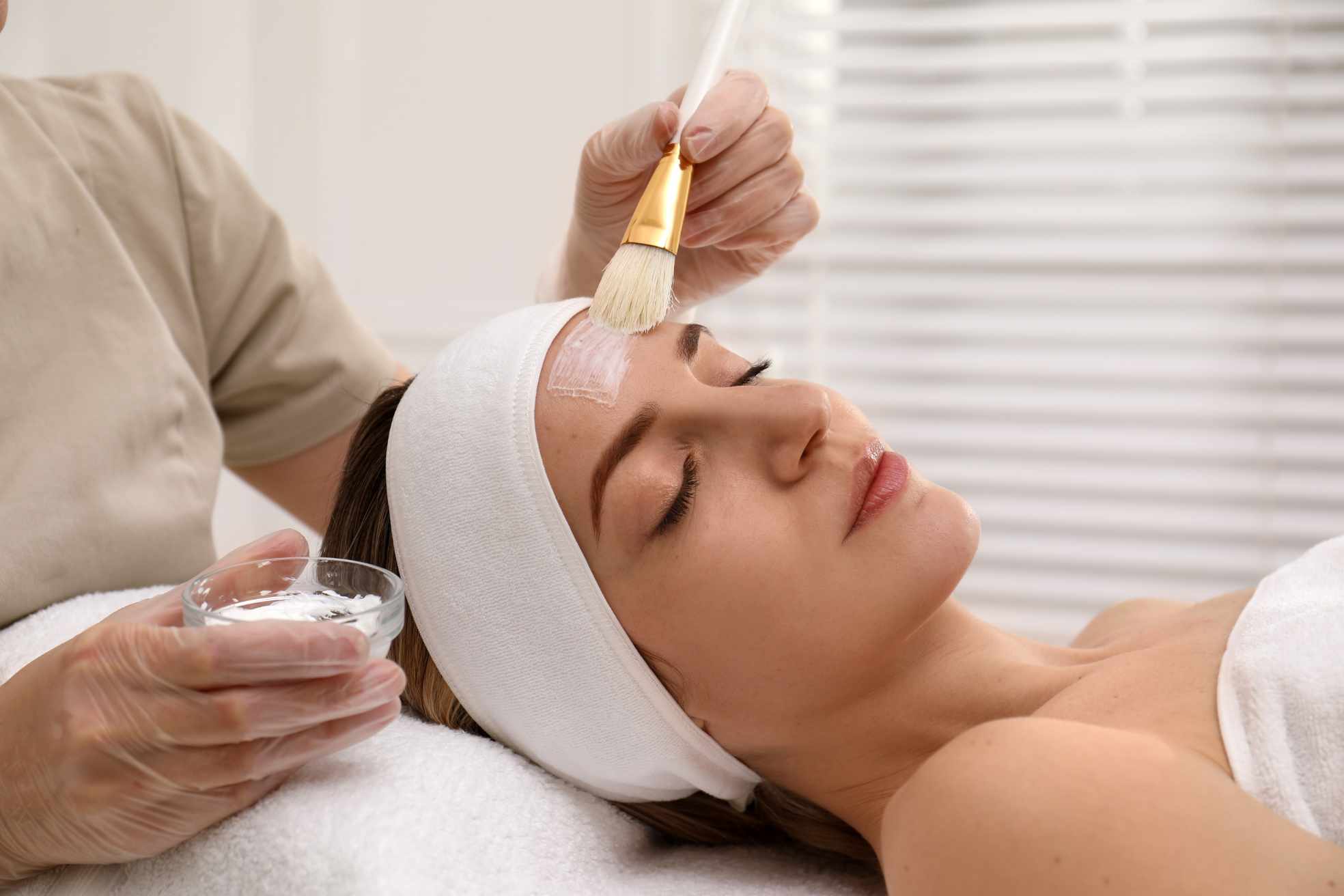
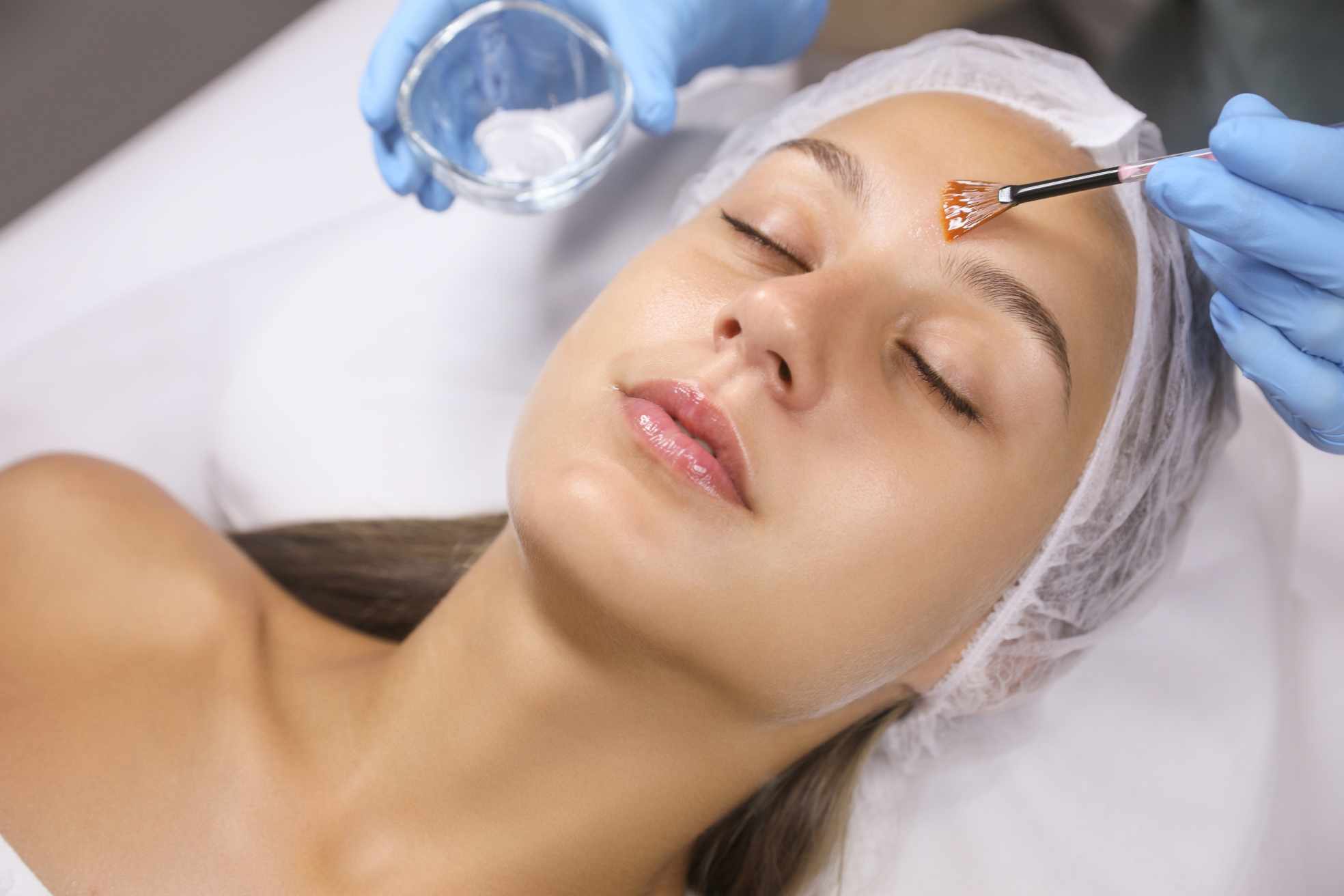
Professional peels work much faster because they use stronger acids at lower pH levels.
Instead of gradually encouraging turnover, they actively remove damaged skin layers. Depending on the peel, this can target issues sitting much deeper in the skin.
Common clinic peels include:
| Peel Type | Main Purpose | Downtime |
| Glycolic acid peel | Brightening and texture | 1–3 days |
| Salicylic acid peel | Acne and oily skin | 2–5 days |
| TCA peel | Pigmentation and wrinkles | 5–10 days |
The first time I had a salicylic acid peel in Sydney, I expected instant glowing skin. What I got instead was two days of tightness and visible peeling around my chin. Glamorous? Not exactly. Effective? Absolutely.
By day five, my skin looked clearer than it had in months.
That’s the thing with clinic peels. Sometimes you have to crack a few eggs to make an omelette.
Professional Retinol Peels vs Standard Chemical Peels
This is where many people get confused.
A professional retinol peel is not the same as your nightly retinol serum. Clinics use retinoic acid concentrations far stronger than anything sold over the counter.
Unlike acid peels that work immediately, retinol peels have a delayed effect. Peeling usually starts two or three days later.
These treatments are popular because they combine exfoliation with collagen stimulation. They’re often recommended for:
- Ageing skin
- Mild pigmentation
- Rough texture
- Sensitive skin needing gentler rejuvenation
In Australia’s harsh UV climate, many clinics prefer retinol peels during cooler months because they offer good results with less aggressive peeling.
When At-Home Retinol Is the Better Choice
Early Signs of Ageing and Prevention
If your skin concerns are mild, there’s no need to bring out the big guns straight away.
At-home retinol works brilliantly for prevention. Fine lines around the eyes, slightly uneven texture, or mild sun damage often respond well to consistent use.
Most skincare professionals will tell you the same thing: prevention beats correction every time.
A friend of mine in Brisbane started retinol at 30 and avoided major pigmentation issues despite years spent outdoors surfing. Meanwhile, another mate ignored sunscreen completely and ended up needing several professional peels by 40.
Australian sun does not muck around.
Mild Acne and Congestion That Does Not Need Clinic Treatment
Retinol is excellent for keeping pores clear and reducing mild congestion.
If your skin regularly deals with:
- Blackheads
- Small breakouts
- Oily T-zone issues
- Mild texture problems
…then shelf skincare is often enough.
However, retinol works best as maintenance. It is not ideal when acne becomes inflamed, painful, or widespread.
That’s usually the point where professional treatment enters the picture.
The Best Option for Busy Lifestyles and Smaller Budgets
Let’s be honest. Professional peels are not cheap.
In Australia, clinic peels can range from $150 to $400 per session depending on depth and location. Meanwhile, a quality retinol serum may last several months.
For many people, shelf skincare simply fits life better.
Reasons people stick with shelf skincare
- Lower ongoing cost
- No recovery time
- Easy nightly routine
- Less risk of complications
- Suitable for beginners
When I worked long corporate hours in Melbourne, I simply couldn’t afford visible peeling during meetings. Retinol became the practical option.
Sometimes skincare decisions are less about perfection and more about what realistically works with your lifestyle.
Common Mistakes That Make Retinol Fail
Many people quit retinol too early because they accidentally destroy their skin barrier.
Common mistakes include:
- Using retinol every night immediately
- Mixing strong acids and retinol together
- Skipping sunscreen
- Expecting instant results
- Using high concentrations too soon
I once combined a strong exfoliating toner with retinol during a humid Perth summer. Bad move. My skin turned red, flaky, and painfully sensitive for nearly two weeks.
Lesson learned.
Slow and steady wins the race with retinol.
Signs It Is Time to Book a Professional Peel
Dark Spots and Pigmentation That Will Not Fade
Some pigmentation simply sits too deep for shelf skincare alone.
This is especially common in Australia because UV exposure is so intense year-round. Even diligent sunscreen users can develop:
- Sun spots
- Melasma
- Post-acne pigmentation
- Uneven patches
Professional peels penetrate deeper layers where excess pigment lives.
A Melbourne clinic nurse once explained it perfectly to me:
“Retinol renovates the house slowly. Peels knock down damaged walls faster.”
That stuck with me.
Acne Scarring and Uneven Texture Need More Than Shelf Products
This is where many people waste years trying every serum under the sun.
At-home products can soften texture slightly, but acne scarring often needs professional intervention.
Medium-depth peels improve:
- Shallow acne scars
- Rough texture
- Persistent marks
- Uneven skin tone
One realistic example is someone using retinol faithfully for 12 months with limited improvement, then finally seeing major texture changes after three professional peel sessions spaced six weeks apart.
Sometimes shelf skincare hits a ceiling.
Active Acne Breakouts That Need Immediate Intervention
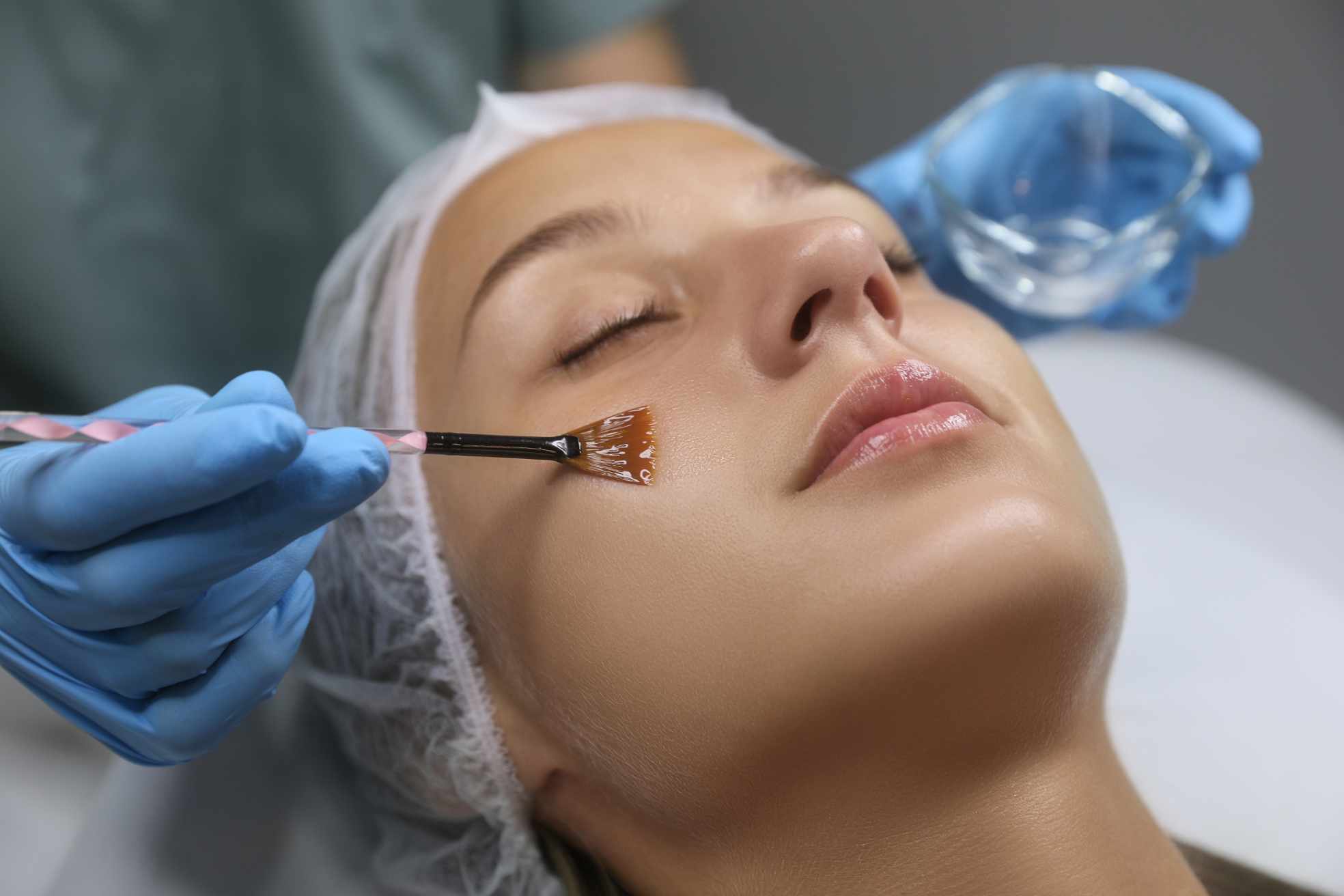
Professional salicylic acid peels work exceptionally well for active acne because they penetrate oily pores quickly.
Unlike retinol, which prevents future congestion gradually, clinic peels actively reduce inflammation and clear blockages faster.
This is particularly helpful during stressful periods.
A colleague dealing with hormonal acne before her wedding tried every pharmacy product available. Two professionally supervised salicylic peels finally calmed the inflammation enough for makeup to sit properly.
Timing matters.
Why Professional Supervision Matters More Than Most People Realise
The Hidden Risks of DIY Peels
TikTok has convinced many people they can safely perform aggressive peels at home.
That’s risky business.
Poorly done peels can cause:
- Burns
- Hyperpigmentation
- Skin barrier damage
- Infection
- Long-term sensitivity
Australian dermatologists regularly warn against ordering high-strength peeling acids online without supervision.
Just because something is available online doesn’t mean it belongs on your face.
Why Darker Skin Tones Need Extra Care
People with medium to deeper skin tones face higher risks of post-inflammatory hyperpigmentation (PIH).
That means overly aggressive peels can actually make pigmentation worse.
A trained professional will assess:
| Assessment Area | Why It Matters |
| Skin tone | Reduces PIH risk |
| Sensitivity | Prevents irritation |
| Acne severity | Determines acid type |
| Sun exposure | Impacts healing |
| Current routine | Avoids over-exfoliation |
This personalised approach is impossible with generic shelf products.
Retinol vs Professional Peels: Which Gives Better Results?
Best for Anti-Ageing
Retinol wins for long-term maintenance.
Professional peels win for faster visible resurfacing.
The strongest anti-ageing routines usually combine both.
Best for Acne and Acne Scars
| Skin Concern | Better Option |
| Mild acne | Retinol |
| Active inflamed acne | Professional peel |
| Acne scars | Medium-depth peel |
| Maintenance | Retinol |
Best for Pigmentation and Sun Damage
Professional peels generally outperform shelf skincare for stubborn pigmentation.
However, ongoing retinol use helps prevent pigment from returning.
This combination approach works especially well in Australia where UV exposure constantly triggers new pigmentation.
The Smartest Strategy Is Often Combining Both Treatments
Why Dermatologists Combine Retinol and Professional Peels
Most experienced clinicians do not force patients to choose one or the other.
Instead, they combine treatments strategically.
A professional peel removes damaged surface layers first. Once healed, retinol maintains results and supports collagen production long term.
This layered approach often delivers the best outcome.
How to Safely Use Retinol After a Professional Peel
Post-peel skincare essentials
- Gentle cleanser
- Fragrance-free moisturiser
- SPF 50+ daily
- No scrubs or exfoliants
- Gradual retinol reintroduction
Most clinics recommend waiting at least 5 to 7 days before restarting retinol after a peel.
Patience pays off here.
If your concerns are mild and you want gradual improvement without downtime, shelf skincare is often enough.
Retinol remains one of the most effective long-term skincare ingredients available. It is affordable, convenient, and excellent for prevention.
But when pigmentation becomes stubborn, acne scars refuse to fade, or active breakouts spiral out of control, professional peels can fast-track results dramatically.
The reality is that the best skin outcomes rarely come from one miracle product. Good skincare is usually a combination of consistency, professional guidance, and realistic expectations.
There’s no silver bullet in skincare. Anyone who says otherwise is probably selling one.
