
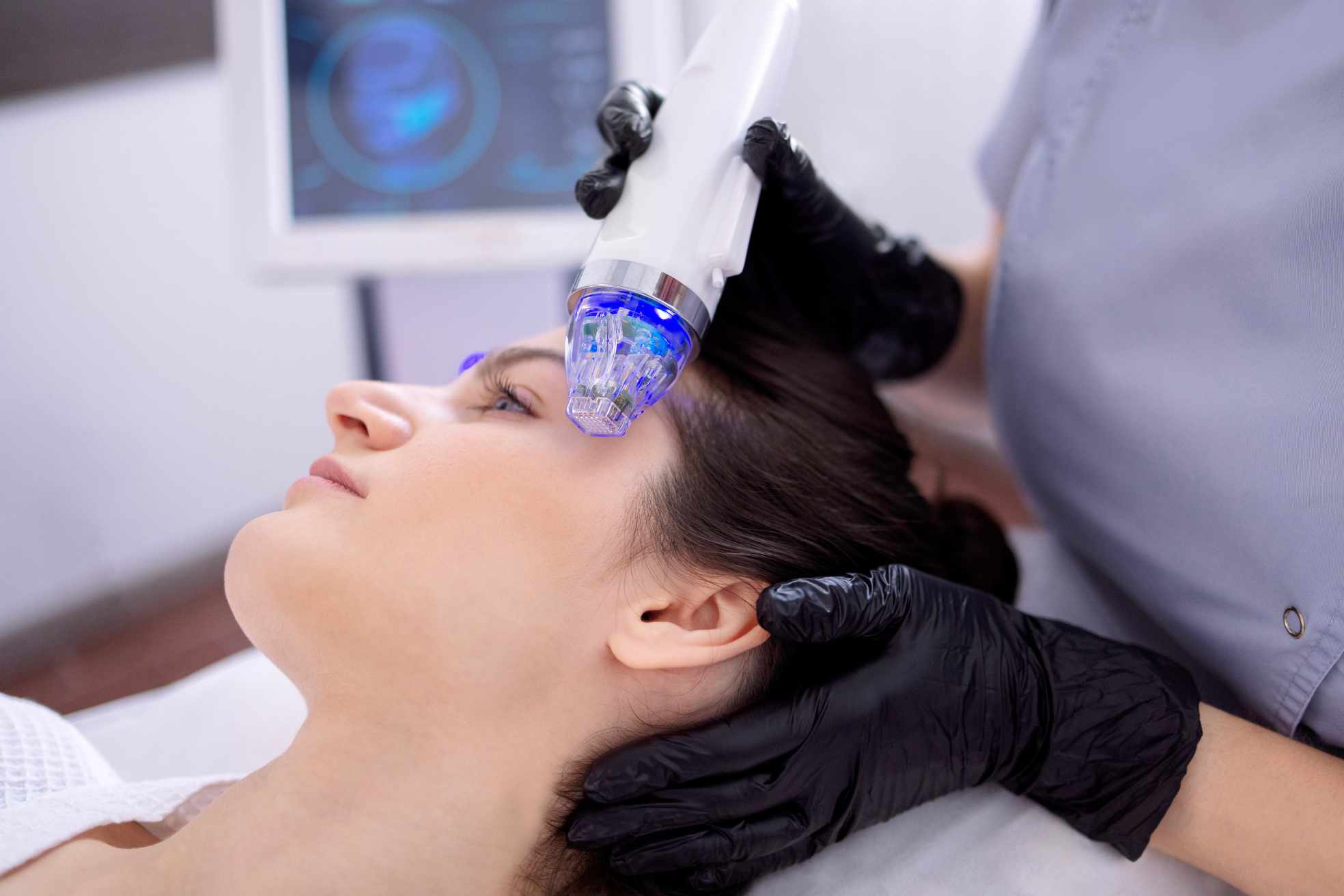
RF Microneedling: What Really Happens to Your Skin
RF microneedling has become one of the most talked-about skin treatments across Melbourne’s cosmetic clinics, and for good reason. We see clients from Seaford, Frankston, and the Mornington Peninsula asking about it every week. Some want smoother skin after years of acne scarring. Others are hoping to firm loose skin around the jawline or soften fine lines that skincare alone cannot touch anymore.
At Cosmetic Aesthetics Victoria, many clients arrive feeling unsure about what actually happens during RF microneedling. The treatment sounds intense. Tiny needles. Heat. Recovery time. It can feel like a lot to take in.
The truth is far less frightening than people expect. Once you understand the process, the treatment makes much more sense. RF microneedling works by encouraging your skin to repair itself from within. The results build gradually, which is why patience pays off.
Why RF Microneedling Works Below the Surface
RF microneedling combines two treatments into one session: traditional microneedling and radiofrequency energy.
Together, they create a stronger skin renewal response than standard microneedling alone.
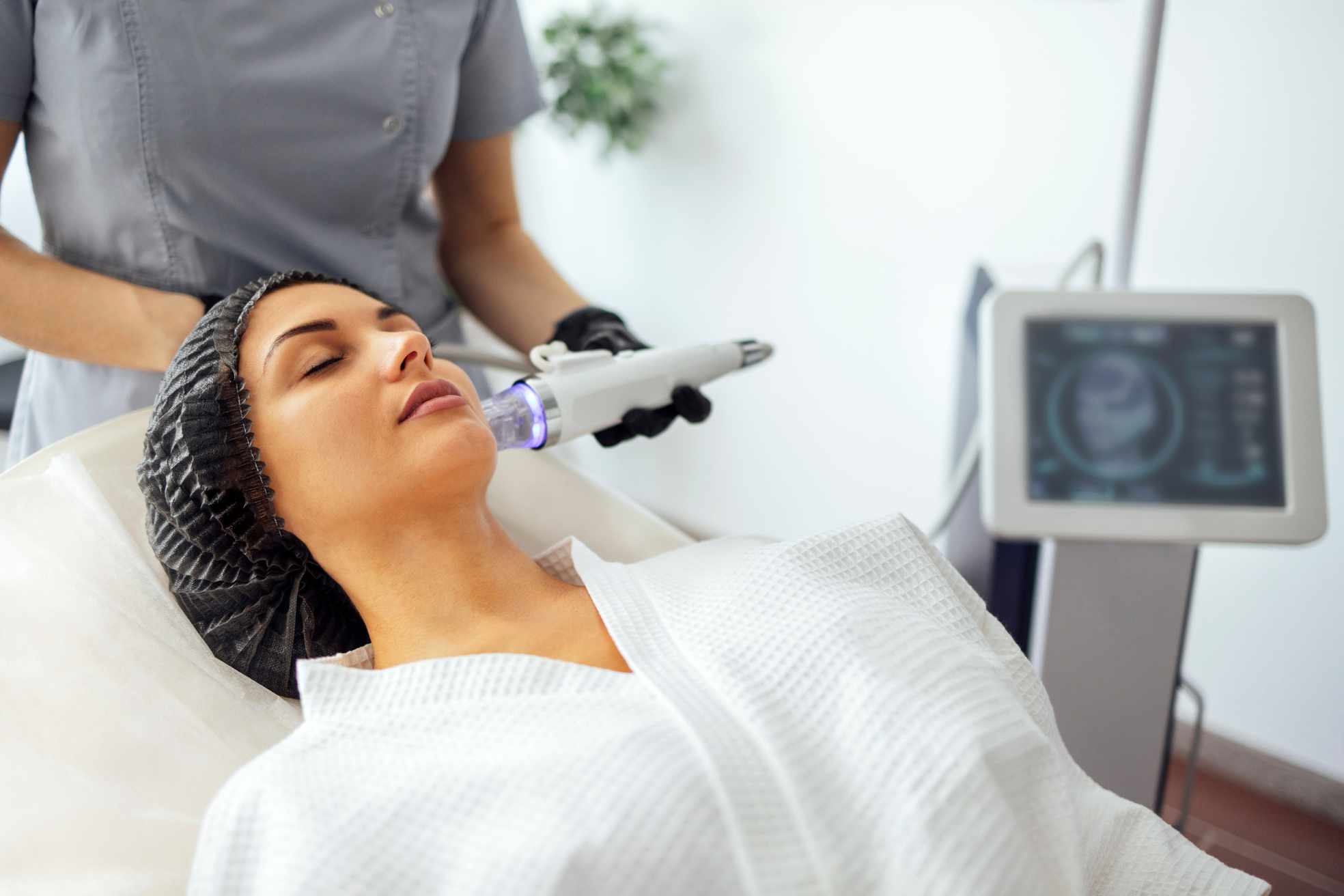
Microneedling Creates Controlled Micro-Channels
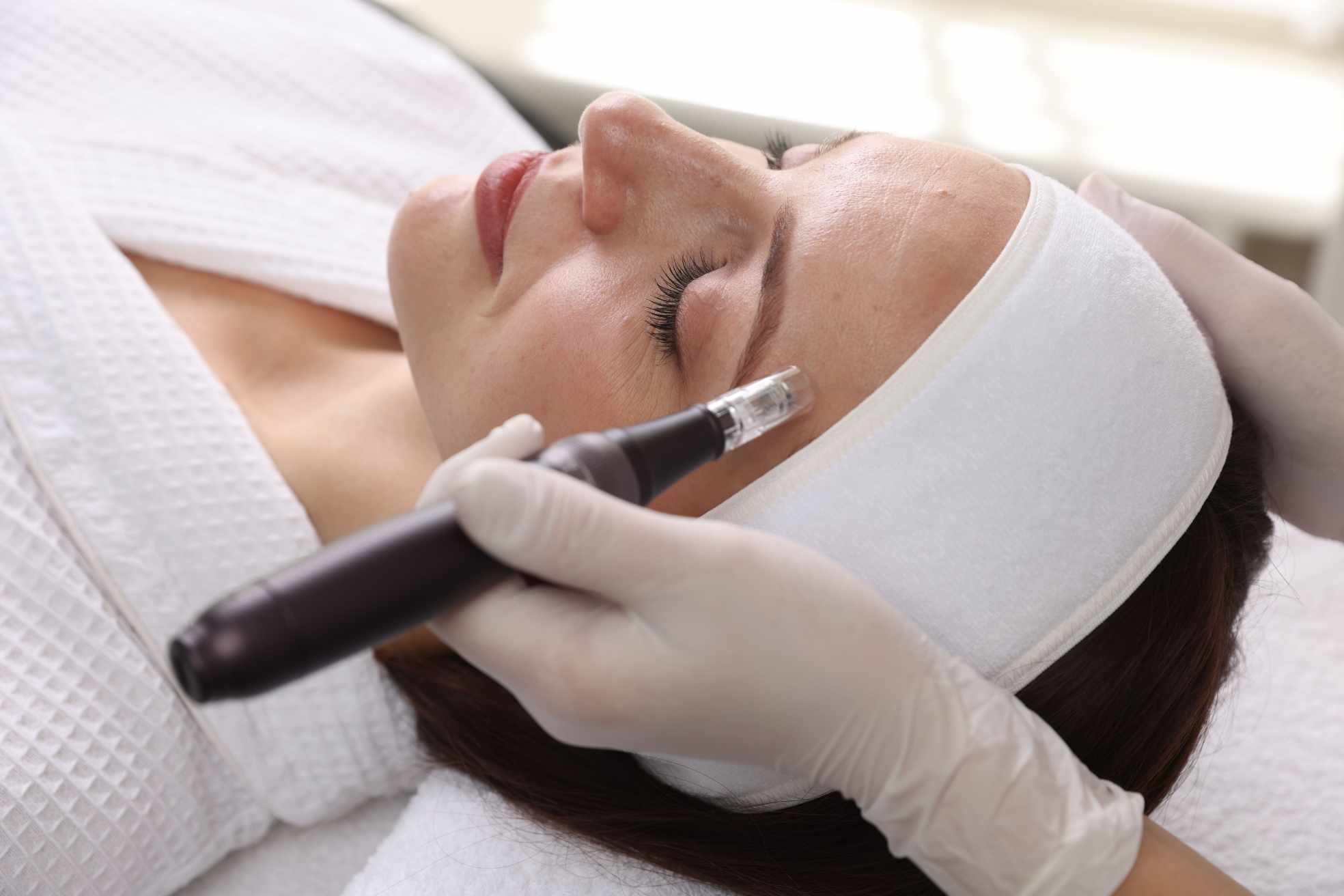
The device uses ultra-fine needles to create tiny punctures in the skin. These micro-channels trigger your body’s natural healing response.
Your skin reacts by producing:
- New collagen
- Elastin
- Fresh skin cells
- Hyaluronic acid
Think of it like sending your skin back into “repair mode”. The body sees the tiny injuries and starts rebuilding stronger, healthier tissue.
One client from Frankston explained it perfectly after her second session:
“My skin looked tired for years after adult acne. Around week four, it suddenly looked fresher and smoother without makeup. That was the first time I noticed the difference.”
RF Heat Reaches the Dermis Where Collagen Lives
The radiofrequency energy is what gives this treatment its edge.
As the needles enter the skin, heat travels into the deeper dermis. This heat tightens existing collagen fibres and stimulates long-term collagen production.
That is why RF microneedling is often used for:
| Skin Concern | How RF Microneedling Helps |
| Fine lines | Supports collagen renewal |
| Acne scars | Improves texture over time |
| Enlarged pores | Refines skin surface |
| Mild skin laxity | Helps firm loose skin |
| Uneven texture | Encourages smoother skin |
What RF Microneedling Feels Like in the Clinic
Most first-time clients walk in expecting the treatment to hurt more than it does.
Before Treatment: Skin Prep and Numbing
Your practitioner starts with a skin assessment and consultation. At Cosmetic Aesthetics Victoria, we take time to review your skin history, concerns, medications, and goals before recommending treatment.
A topical numbing cream is then applied for around 30 to 45 minutes.
This step makes a big difference.
During Treatment: Pressure, Warmth, and Mild Scratchiness
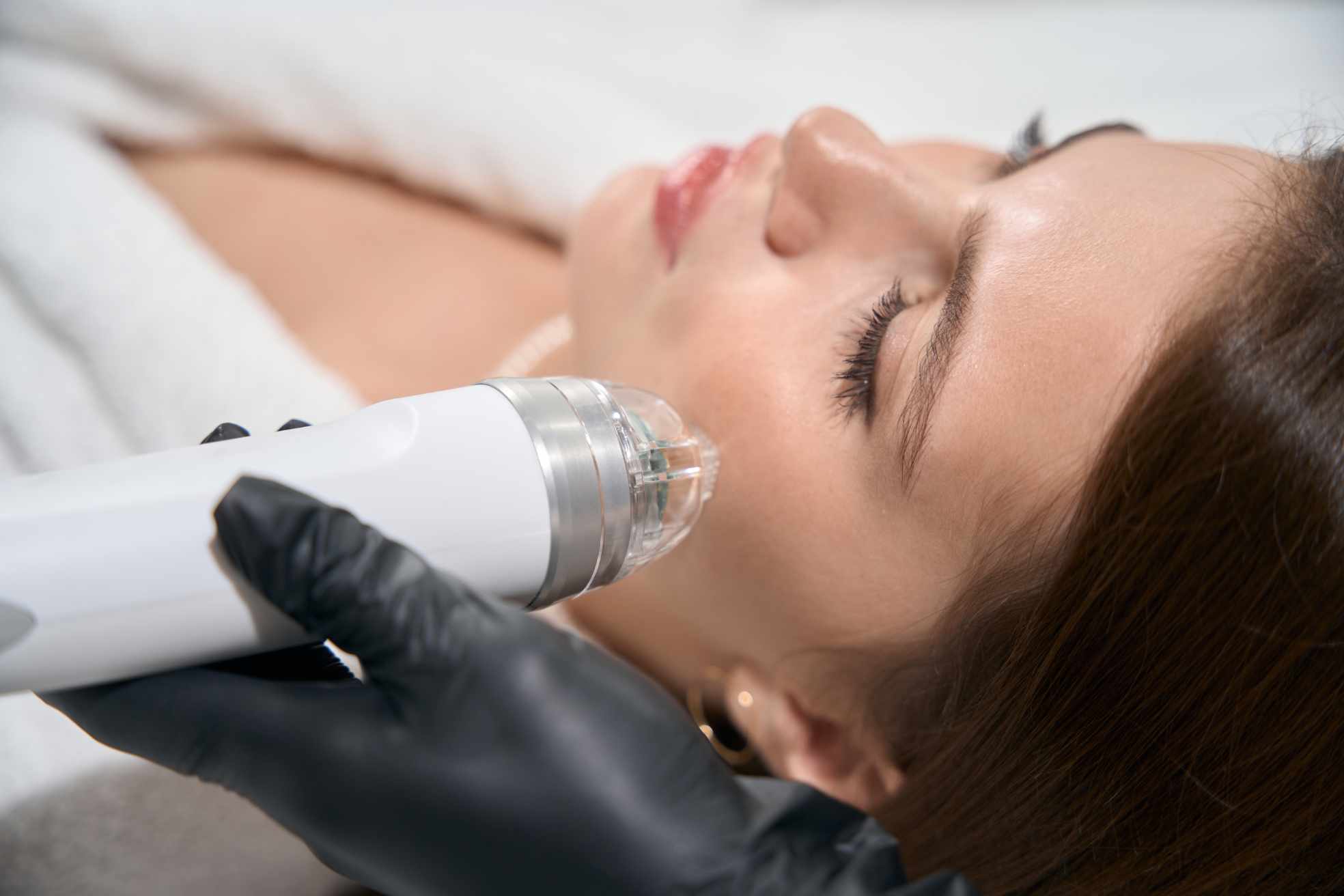
Once your skin is numb, the device glides across the treatment area.
Most people describe the sensation as:
- Mild warmth
- Light scratching
- Pressure against the skin
- Tiny quick pinches in certain areas
Around the jawline and forehead, the skin can feel slightly more sensitive. Still, many clients say the anticipation is worse than the treatment itself. Fair dinkum, people often laugh afterwards because they expected far worse.
Treatment usually takes:
| Area | Average Treatment Time |
| Full face | 20–30 minutes |
| Neck | 10–15 minutes |
| Small scar areas | 10 minutes |
Your RF Microneedling Healing Timeline
Healing happens in stages. Knowing what to expect makes the recovery much less stressful.
First 24–48 Hours: Redness, Warmth, and Swelling
Straight after treatment, your skin usually looks sunburnt.
Common reactions include:
- Redness
- Mild swelling
- Warm skin
- Tightness
- Tiny pinpoint marks
Clients on the Mornington Peninsula often ask whether they can head straight to the beach afterwards. The answer is no. Avoid direct sun completely during this stage.
Days 2–7: Dryness, Tightness, and Light Peeling
This phase catches some people off guard.
Your skin can feel:
- Dry
- Rough
- Slightly flaky
- Tight when smiling
Some clients notice faint grid-like marks for a few days. These fade naturally.
A Seaford client recently told us she panicked on day three because her skin felt sandpapery. By day eight, her skin looked brighter than it had in years.
That is completely normal.
Weeks 4–6: Smoother Texture Starts to Show
This is when clients usually notice:
- Smoother makeup application
- Smaller-looking pores
- Better skin texture
- Firmer skin around the cheeks and jawline
Months 3–6: Collagen Results Reach Their Peak
Collagen takes time to rebuild.
Peak results often appear months after the final session. That slow build is why RF microneedling can create natural-looking improvements instead of dramatic overnight changes.
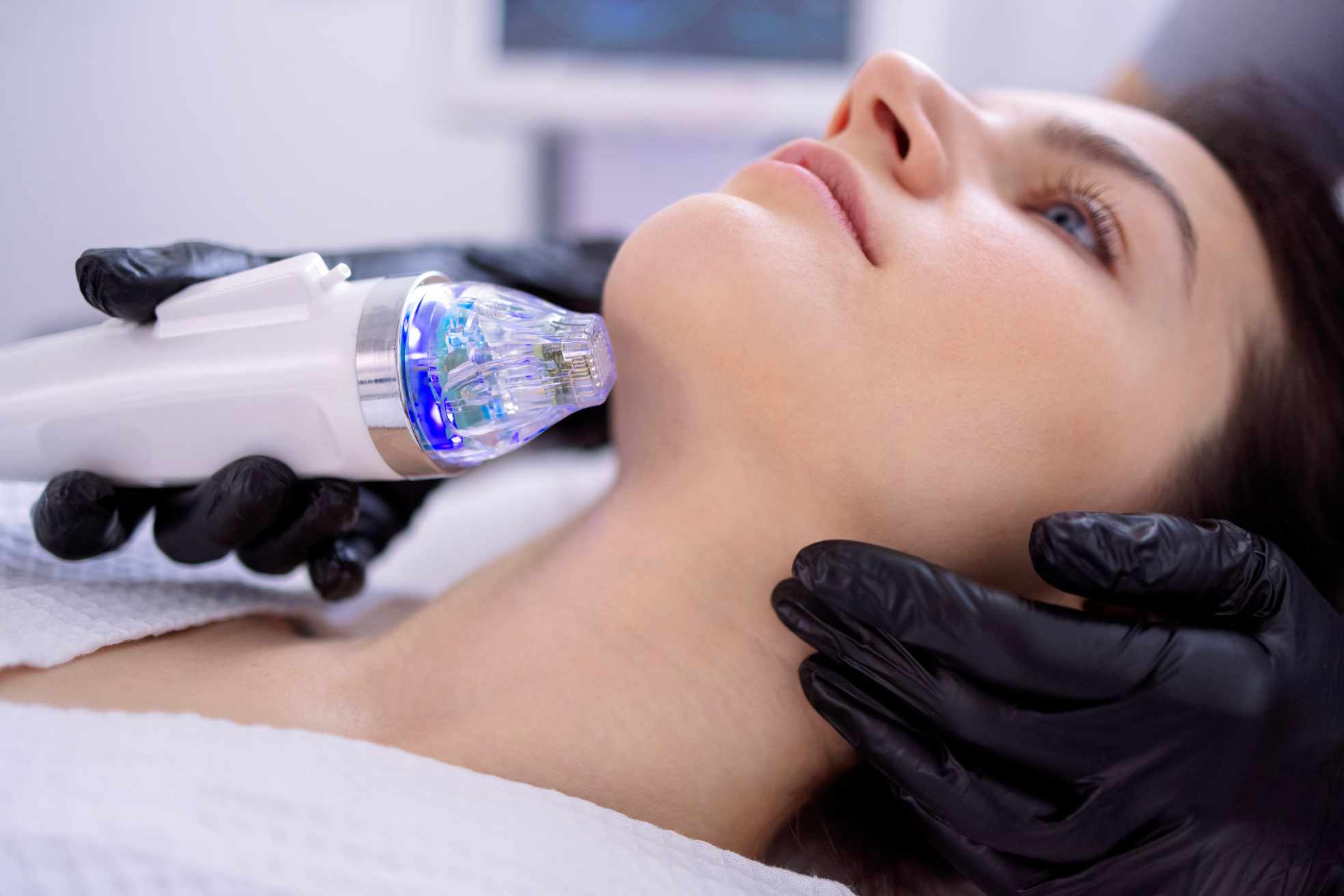
Does RF Microneedling Melt Facial Fat?
This is one of the biggest concerns we hear in clinic.
The answer depends on the device settings and treatment depth.
Why Device Settings Matter
Different RF microneedling devices work differently.
Factors that affect fat reduction include:
- Needle depth
- Heat intensity
- RF frequency
- Treatment duration
Some devices are designed for contouring heavier lower-face areas. Others focus mainly on skin tightening.
Skin Tightening Without Volume Loss
For clients wanting firmer skin without hollowing the face, careful treatment planning matters.
At Cosmetic Aesthetics Victoria, we assess:
- Facial structure
- Existing volume loss
- Skin thickness
- Treatment goals
- Age-related changes
This prevents a “cookie-cutter” approach.
Who Is a Good Candidate for RF Microneedling?
RF microneedling suits many skin types because it relies on heat rather than surface laser light.
Skin Concerns RF Microneedling May Help
The treatment may improve:
- Fine lines
- Mild skin laxity
- Acne scars
- Enlarged pores
- Uneven texture
- Stretch marks
- Surgical scars
It is especially popular among clients who want noticeable skin improvement without surgery.
Who Should Avoid RF Microneedling
You may need to avoid treatment if you have:
- Active acne breakouts
- Cold sores
- Skin infections
- Severe eczema or psoriasis
- Poor wound healing
- Pregnancy
A proper consultation matters because safety always comes first.
RF Microneedling Aftercare That Protects Your Results
Aftercare can make or break your results.
What to Avoid for the First Week
Avoid:
- Retinoids
- AHAs and BHAs
- Vitamin C serums
- Physical scrubs
- Heavy sweating
- Saunas
- Hot yoga
- Direct sun exposure
Melbourne weather can be brutal on healing skin. Wind, UV exposure, and dry summer heat can increase irritation quickly.
What to Use Instead
Stick to simple skincare:
| Recommended Aftercare | Why It Helps |
| Gentle cleanser | Prevents irritation |
| Hydrating moisturiser | Supports healing |
| Hyaluronic acid | Helps hydration |
| SPF 30+ mineral sunscreen | Protects healing skin |
Sun protection is non-negotiable. Even short exposure can increase the risk of pigmentation.
How Many RF Microneedling Sessions Will You Need?
Most clients need a treatment series.
Typical plans include:
| Concern | Average Sessions |
| Mild texture issues | 3 sessions |
| Acne scarring | 4–6 sessions |
| Skin tightening | 3–4 sessions |
| Maintenance | Every 12 months |
Results build gradually. Slow and steady wins the race with collagen treatments.
Example Treatment Plans
A client with acne scarring may space treatments four to six weeks apart.
Someone focused on early skin laxity may combine RF microneedling with skin boosters or other collagen-supporting treatments.
Why Your Consultation Matters Before RF Microneedling
Every face ages differently.
That is why consultation matters more than trends online.
What We Check Before Recommending Treatment
We assess:
- Skin condition
- Medical history
- Active inflammation
- Previous cosmetic treatments
- Lifestyle factors
- Downtime expectations
At Cosmetic Aesthetics Victoria, injectable procedures are performed by a Registered Nurse in consultation with a Cosmetic Doctor, with personalised treatment planning focused on safety and natural-looking outcomes .
When We May Recommend Another Treatment First
Sometimes RF microneedling is not the best starting point.
For example:
- Active acne may need calming first
- Severe pigmentation may need a different approach
- Significant volume loss may respond better to other treatments
Honest advice matters. A good practitioner should never push treatment that is unsuitable.
RF microneedling works with your body’s natural repair response. That is why results continue improving long after your appointment ends.
For the right candidate, the treatment can improve skin texture, firmness, pores, and scarring without surgery or lengthy downtime. The key is realistic expectations, proper aftercare, and choosing an experienced clinic that understands facial anatomy and skin health.
At Cosmetic Aesthetics Victoria, we believe good cosmetic treatments should help you look refreshed, healthy, and confident — never overdone.
