The New Wave of Skin Treatments: Exosomes, Polynucleotides and What’s Coming in 2026
For years, cosmetic medicine chased quick fixes. Bigger lips. Frozen foreheads. Sharp cheekbones. You could spot some treatments from across the shopping centre car park. That trend is fading fast.
In 2026, patients across Seaford, Frankston and the Mornington Peninsula are asking different questions. They want healthier skin, softer ageing, and treatments that improve how the skin behaves over time. The goal is no longer to look “done”. It is to look rested, fresh and naturally well cared for.
At Cosmetic Aesthetics Victoria, we have seen this shift happen firsthand. Many clients now arrive saying the same thing: “I still want to look like myself.” That single sentence says a lot about where the industry is heading.
Why 2026 Skin Treatments Are Moving Away From the “Overdone” Look
The cosmetic industry has entered a more balanced phase. Patients want skin quality before volume. They want prevention before correction.
Patients now want skin that looks healthier, not faces that look filled
A decade ago, people often focused on chasing lines and wrinkles. Today, clients notice different things first:
- Dullness
- Crepey texture
- Dryness
- Loss of elasticity
- Uneven tone
- Skin laxity
A client from Frankston recently explained it perfectly during consultation.
“I don’t mind looking my age. I just don’t want to look tired all the time.”
That is the heart of regenerative aesthetics.
Regenerative treatments aim to support how skin behaves
Modern skin treatments focus on improving collagen production, hydration, circulation and skin repair. Instead of masking ageing, they aim to help the skin function more effectively.
This approach works well for Australians. Our climate can be brutal on skin. Years of UV exposure, beach weekends and outdoor living often show up as pigmentation, rough texture and collagen breakdown earlier than many people expect.

Polynucleotides: The “Skin Repair” Treatment Everyone Is Talking About
Polynucleotides have become one of the most requested treatments in advanced skin clinics.
These injectable treatments are commonly derived from purified salmon or trout DNA. That might sound strange at first blush, but the science behind them is what has made practitioners pay attention.
How polynucleotides support collagen and skin repair
Polynucleotides work as biostimulators. They encourage fibroblasts to produce collagen and elastin while helping reduce inflammation within the skin.
Patients often notice:
- Improved hydration
- Better elasticity
- Smoother texture
- Less crepey skin
- Healthier under-eye appearance
Unlike heavy fillers, the result builds gradually.
| Treatment Timeline | What Patients May Notice |
| Week 1 | Mild hydration and glow |
| Week 3–4 | Improved texture and softness |
| Month 2–3 | Better elasticity and skin quality |
| Long-term | Ongoing collagen support with maintenance |
Who may suit polynucleotide skin treatments
Polynucleotides are often considered for:
- Fine lines
- Ageing skin
- Sun-damaged skin
- Thin under-eye skin
- Smokers’ skin
- Skin recovering after stress or illness
One local client in Seaford came in after spending years outdoors coaching junior football. His skin looked weathered and dehydrated despite using expensive skincare. After a staged regenerative plan, the biggest difference was not that he looked younger. He simply looked healthier.
That is usually the sweet spot.
What to ask before booking polynucleotides in Australia
Before treatment, ask:
- Who performs the procedure?
- Is there medical oversight?
- What product is being used?
- What are the risks?
- What aftercare is required?
- How many sessions are realistic?
Good clinics answer these questions clearly. No smoke and mirrors.
Exosomes in Skin Treatments: Promising, Popular and Still Heavily Scrutinised
Exosomes have become one of the fastest-growing regenerative treatments worldwide.
They are tiny extracellular vesicles packed with growth factors, peptides and signalling molecules that help cells communicate.
Why exosomes are often paired with needling or energy devices
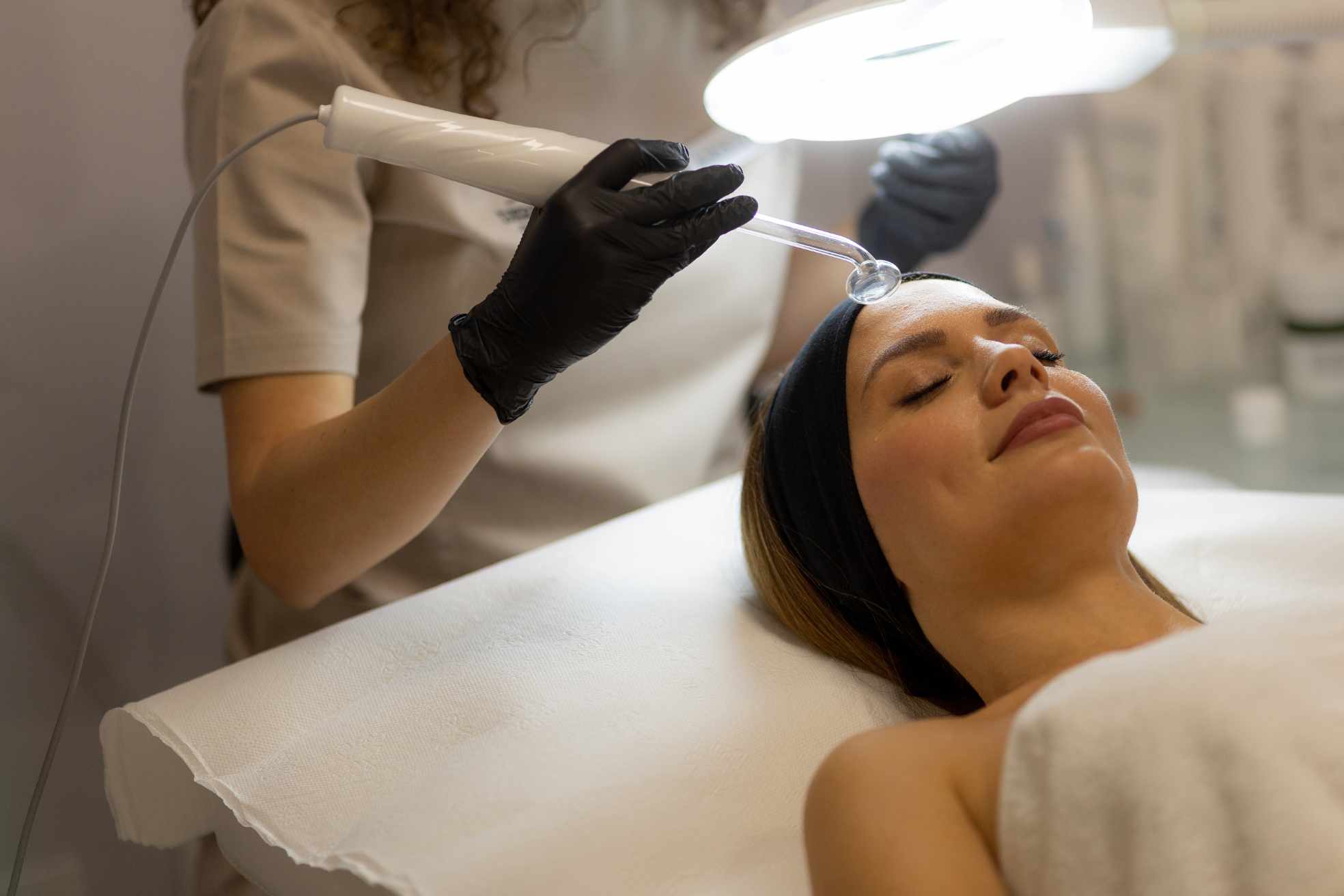
In most clinics, exosomes are applied topically after treatments like:
- Microneedling
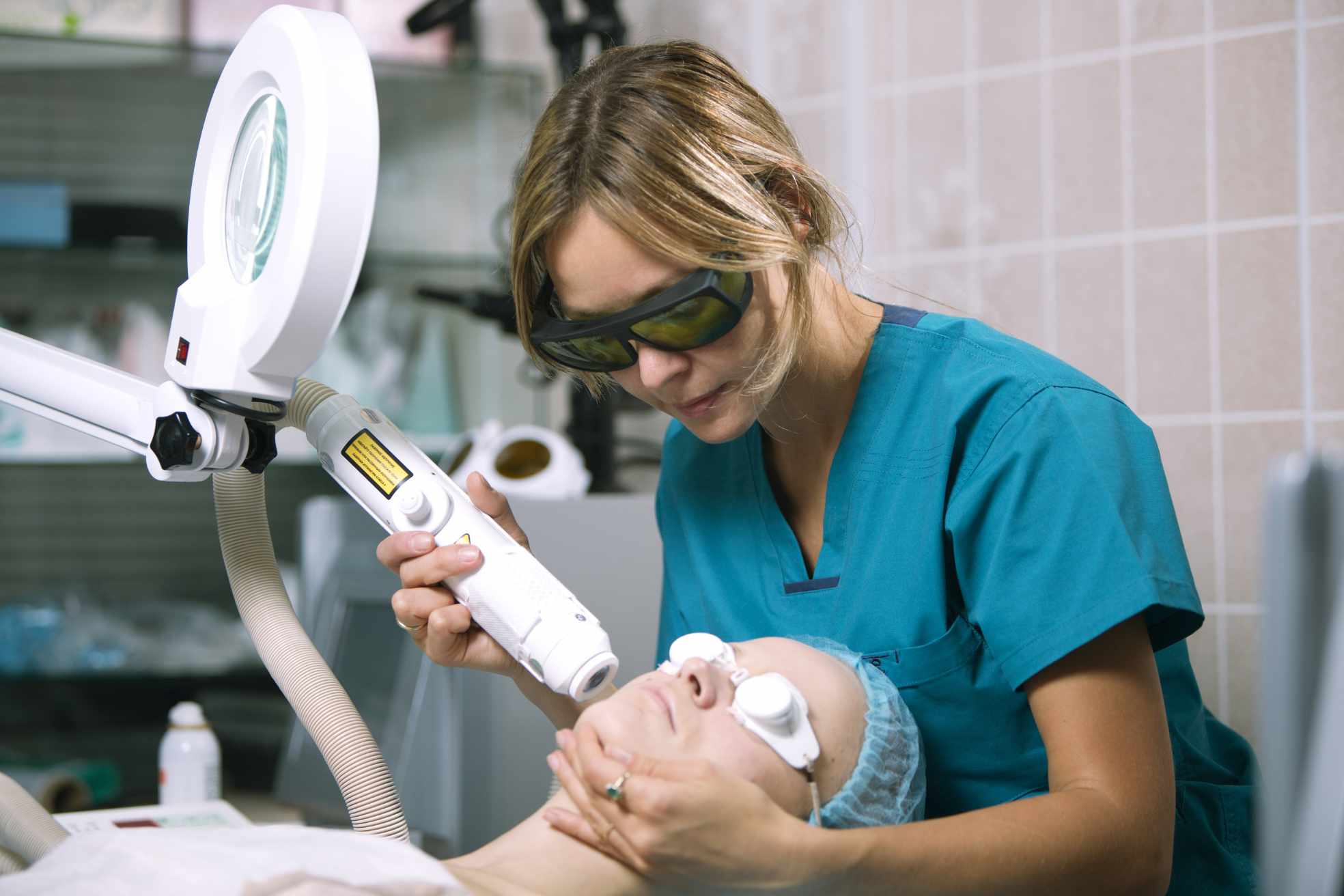
- Fractional laser
- RF microneedling
The goal is to calm inflammation and support recovery.
Patients often report:
- Faster healing
- Reduced redness
- Improved glow
- Better skin texture
At Cosmetic Aesthetics Victoria, we often explain this like renovating a house. Needling creates the controlled repair process. Exosomes may help direct the builders where to work.
Why injectable exosomes need caution
This is where things get tricky.
While exosomes are exciting, injectable exosomes remain controversial in many countries. Regulation continues to evolve, and patients should be cautious about clinics making dramatic promises.
A qualified practitioner should always explain:
- What the product contains
- How it is used
- Whether evidence supports the claims
- Possible risks and side effects
If a clinic promises miracle results overnight, that should raise eyebrows.
A real-world example: preparing skin before a wedding
Last year, a hypothetical Mornington Peninsula bride wanted glowing skin six weeks before her wedding. She initially requested aggressive laser treatment after seeing social media videos online.
Instead, her treatment plan focused on:
- Gentle skin preparation
- Hydration support
- Microneedling
- Recovery-focused regenerative care
The result looked natural in photographs and avoided unnecessary irritation before the event.
Sometimes slow and steady wins the race.
Biostimulators and Skin Boosters: The Middle Ground Between Fillers and Skin Care
Traditional filler still has a role, but many patients now prefer softer approaches.
Biostimulators help the skin build support over time
Biostimulators encourage collagen production gradually.
Popular categories include:
- PLLA-based stimulators
- PDLLA formulations
- Calcium hydroxylapatite products
Patients often prefer these because results develop progressively rather than appearing suddenly.
Skin boosters improve hydration without changing facial shape
Skin boosters work differently from filler.
Instead of adding structure, they improve:
- Hydration
- Radiance
- Smoothness
- Skin texture
This treatment category has exploded in popularity because many patients want healthier-looking skin without changing facial proportions.
When filler still has a place
Filler is not “bad”. Poor treatment planning is the real issue.
Used conservatively, filler may still help:
- Hollow cheeks
- Lip support
- Facial balancing
- Age-related volume loss
The difference in 2026 is restraint. Experienced practitioners now use less product more strategically.
The Rise of Treatment Stacking: Why One Treatment Rarely Does Everything
There is no magic wand in skin treatment.
Most strong results now come from combining therapies carefully.
A sample regenerative skin plan
| Skin Concern | Treatment Approach | Main Goal |
| Dull skin | Microneedling | Surface renewal |
| Fine lines | Polynucleotides | Collagen support |
| Loose skin | RF skin tightening | Firmness |
| Dryness | Skin boosters | Hydration |
| Recovery | Regenerative serum | Skin calming |
Why timing matters between treatments
Spacing treatments properly matters just as much as the treatment itself.
A rushed plan can increase:
- Inflammation
- Irritation
- Swelling
- Poor healing
Most regenerative treatment plans work best over several months rather than one dramatic session.
That can be hard for impatient clients. We get it. But skin biology does not care about social media deadlines.
GLP-1 Weight Loss and Facial Ageing: Why “Ozempic Face” Needs a Careful Plan
Rapid weight loss medications have changed the aesthetic landscape dramatically.
Why fast weight loss can change the face
When facial fat reduces quickly, patients may notice:
- Hollow cheeks
- Loose skin
- More visible folds
- Thinner skin quality
This happens because the skin often cannot tighten as quickly as the weight comes off.
Why heavy filler is not always the answer
Years ago, some clinics responded by adding large amounts of filler.
The problem? Overfilled faces can look unnatural very quickly.
Modern treatment plans often combine:
- Skin tightening
- Biostimulators
- Skin boosters
- Conservative filler placement
A clinic-style example
Imagine a 48-year-old Frankston client who loses 20 kilograms after improving her health with GLP-1 medication.
She feels fantastic physically but notices:
- Tired-looking skin
- Loose jawline
- Flattened cheeks
Instead of “pumping filler everywhere”, her practitioner develops a gradual plan over six months focused on skin support and collagen rebuilding.
The result looks believable. Friends say she looks refreshed, not different.
AI Skin Analysis and Personalised Treatment Planning in 2026
Technology now plays a bigger role in consultations.
Advanced systems can analyse:
- Pigmentation
- UV damage
- Redness
- Texture
- Hydration
- Pore visibility
What skin scanners can show before treatment starts
At Cosmetic Aesthetics Victoria, evidence-based treatment planning remains important because surface-level skin concerns often do not tell the full story.
A client may complain about wrinkles when the larger issue is actually dehydration or inflammation.
Why personalisation matters more than trend-chasing
TikTok trends move quickly. Skin biology does not.
One patient may respond beautifully to RF skin tightening while another needs barrier repair first.
Good practitioners know when to slow things down.
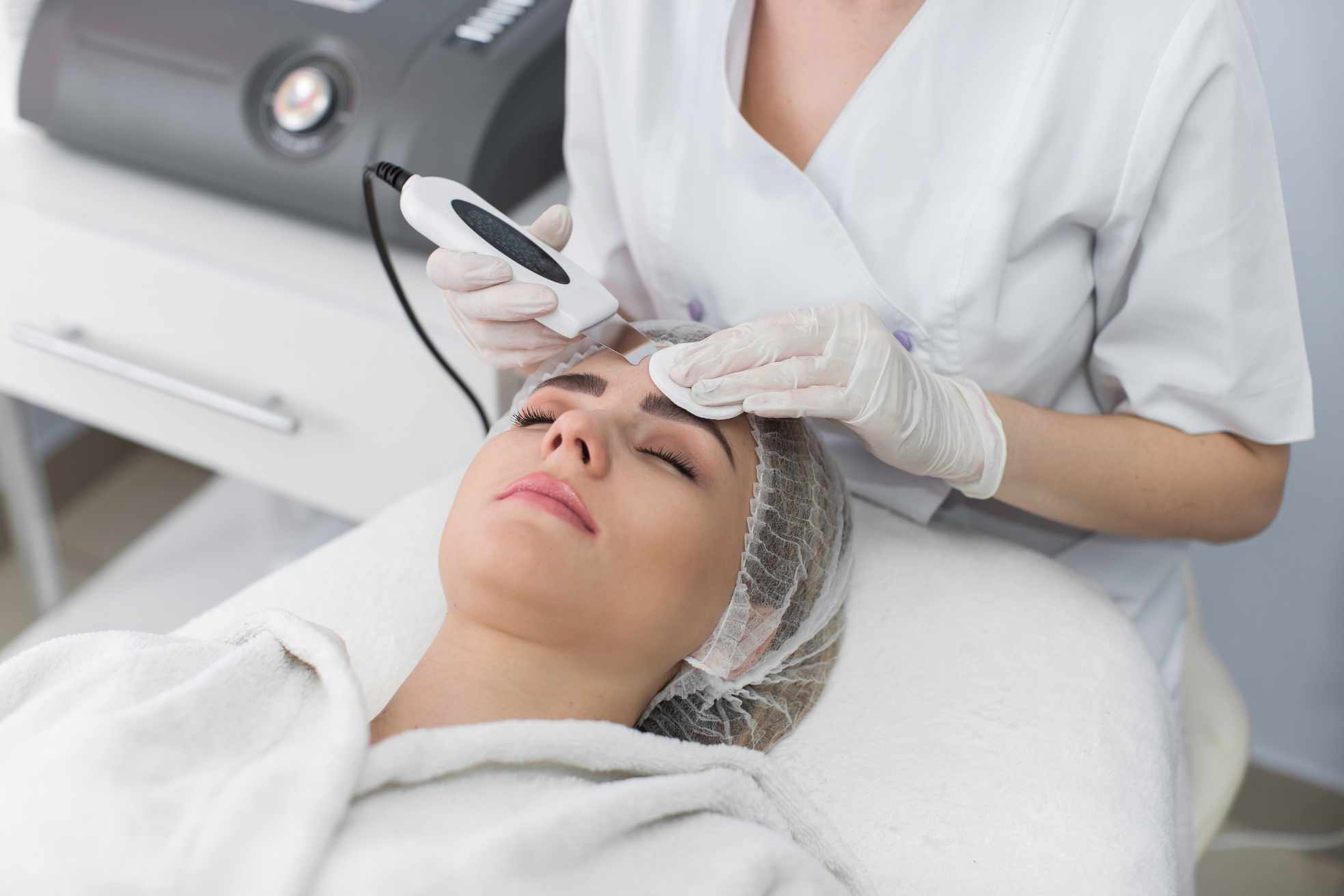
Safety Comes First: What Australians Should Know Before Trying New Skin Treatments
Cosmetic medicine in Australia has become more regulated for good reason.
These treatments are medical procedures. They are not beauty counter facials.
Cosmetic treatments are medical procedures, not beauty trends
Before treatment, patients should receive:
- Proper consultation
- Medical history review
- Risk discussion
- Aftercare instructions
- Realistic expectations
How to choose a safer skin clinic
Look for clinics that:
- Use qualified medical professionals
- Explain risks honestly
- Avoid pressure selling
- Offer proper follow-up care
- Prioritise suitability over profit
At Cosmetic Aesthetics Victoria, injectable treatments are performed by a Registered Nurse under Cosmetic Doctor consultation. That medical oversight matters.
Why local experience matters
Mornington Peninsula clients often present with:
- Sun damage
- Pigmentation
- Dehydration
- Broken capillaries
- Uneven texture
Local climate, UV exposure and lifestyle patterns all influence treatment planning.
What’s Coming Next in Regenerative Skin Treatments
The future of aesthetics looks less artificial and far more biological.
Practitioners are focusing on:
- Skin longevity
- Prevention
- Tissue repair
- Inflammation reduction
- Sustainable collagen support
We are also likely to see:
- Better regulation
- More clinical research
- Improved treatment combinations
- More personalised protocols
The “cookie-cutter face” era is fading away.
The biggest shift in 2026 is not one specific product. It is the philosophy behind treatment.
Patients are becoming smarter. They want healthier skin, safer procedures and realistic results that fit their lifestyle and age.
At Cosmetic Aesthetics Victoria, we believe the best cosmetic work should never walk into the room before you do. Good treatment should help you look rested, healthy and confident without losing what makes your face yours.
